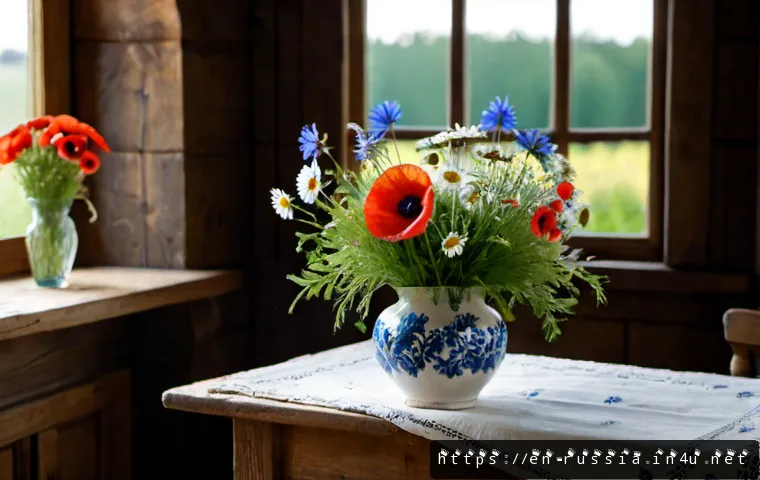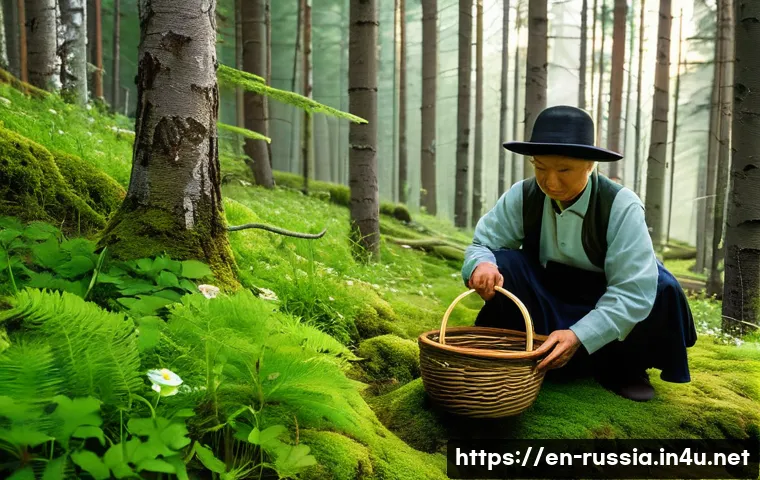
For centuries, Russia has nurtured a rich heritage of traditional medicine that blends nature’s remedies with deep-rooted cultural practices. From healing herbs harvested in vast Siberian forests to ancient rituals passed down through generations, Russian folk medicine offers fascinating insights into holistic health.
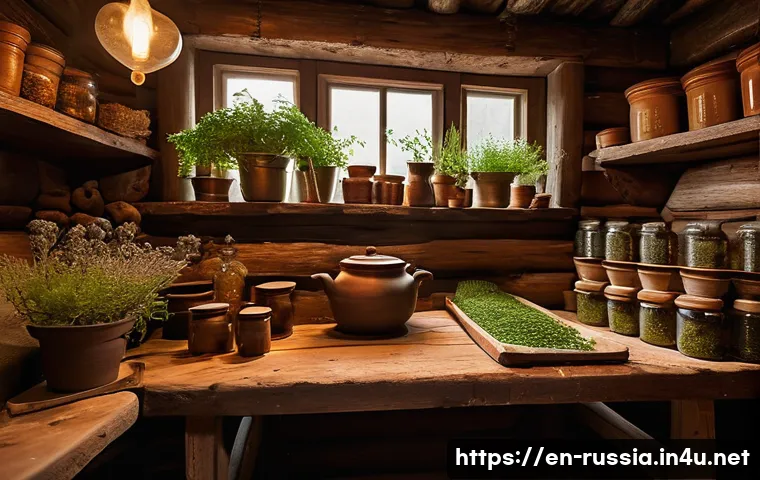
Its unique approach combines spiritual beliefs with practical treatments, reflecting a profound respect for the human body’s natural balance. Exploring these traditions reveals how modern wellness trends often echo age-old wisdom.
If you’re curious about the secrets behind Russia’s healing methods, let’s dive deeper and uncover the details together!
Nature’s Pharmacy: The Power of Siberian Herbs
Harvesting Healing from the Wilderness
Russia’s immense forests, especially those sprawling across Siberia, are a treasure trove of medicinal plants that locals have relied on for centuries.
Unlike commercial pharmaceuticals, these herbs grow wild and are harvested with care and respect for nature’s cycles. What fascinates me is how every herb has a story—whether it’s the vibrant Siberian ginseng, known to boost stamina and immunity, or the delicate chamomile that calms restless nerves.
When I tried Siberian ginseng tea during a cold winter, I noticed a remarkable improvement in my energy levels, which made me appreciate how these natural remedies can support modern health challenges.
Traditional Preparation Techniques That Maximize Benefits
The way these herbs are prepared is just as important as the plants themselves. Traditional healers often use drying, tincturing, or infusing methods that have been perfected over generations.
For example, drying herbs slowly in shaded, ventilated areas preserves their active compounds, while tinctures made with vodka extract potent healing properties.
I once experimented with making a tincture of eleutherococcus root and found the process surprisingly simple but rewarding, yielding a concentrate that delivered noticeable relief from fatigue.
These methods show a deep understanding of how to unlock nature’s full potential.
Balancing Nature and Body Through Herbal Wisdom
What sets Russian herbal medicine apart is its holistic approach—herbs aren’t just taken as isolated remedies but as part of a broader balance between body, mind, and spirit.
The belief is that physical ailments often stem from disruptions in this equilibrium, and herbs serve as gentle guides to restore harmony. This philosophy echoes in modern integrative medicine, yet Russian traditions remain unique in their spiritual reverence.
From my experience, incorporating these herbs into daily rituals, such as morning teas or evening baths, promotes a sense of calm and wellness that feels both ancient and deeply relevant today.
Healing Rituals Rooted in Ancestral Wisdom
Spiritual Practices and Physical Health
Russian healing traditions don’t separate the body from the spirit. Many rituals involve prayers, chants, or symbolic gestures believed to enhance the effectiveness of treatments.
For instance, before gathering herbs, healers often perform a blessing to honor the plants’ life force, which underscores a profound respect for nature’s gifts.
Participating in such a ritual gave me a new perspective on the connection between intention and healing—it’s not just about the physical substance but the energy behind it.
Steam Baths and Their Therapeutic Role
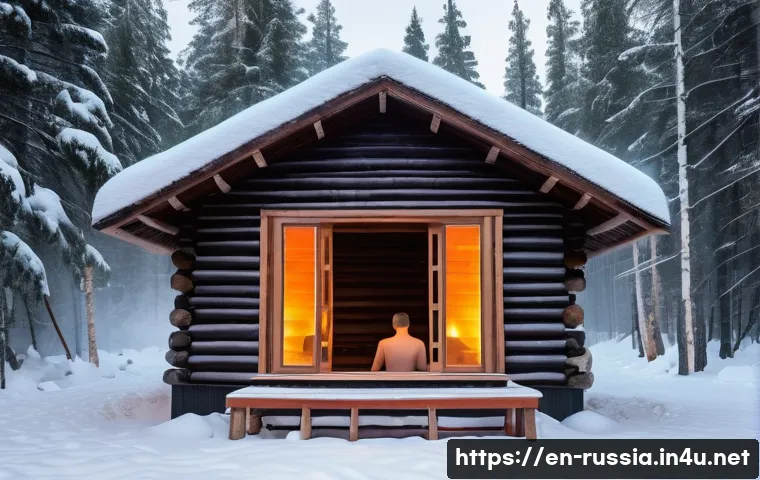
The banya, or Russian steam bath, is more than a place to cleanse—it’s a cornerstone of health maintenance and social bonding. Using birch or oak branches to gently whip the skin, combined with intense heat and cold plunges, stimulates circulation and detoxification.
Personally, I found regular visits to the banya not only cleared my skin but also relieved stress and muscle tension. This practice embodies how traditional methods integrate physical therapy with relaxation, illustrating a holistic approach to well-being that’s hard to replicate in modern gyms or spas.
Seasonal Cycles and Healing Timelines
Russian folk medicine is closely tied to the natural calendar. Certain treatments and herb collections are timed according to moon phases or seasonal changes to harness optimal potency.
For example, roots are often dug up in autumn when their healing properties peak, while spring is reserved for cleansing rituals. I once followed this seasonal rhythm during a detox regimen and noticed a smoother process, as if my body was naturally aligned with these ancient cycles.
This attention to timing reflects a deep ecological wisdom embedded in Russian healing traditions.
Ancient Remedies for Modern Ailments
Using Honey and Propolis for Immune Support
Honey and propolis have long been staples in Russian folk medicine, prized for their antibacterial and anti-inflammatory properties. Locals often blend honey with herbal infusions or apply propolis tinctures to wounds.
I remember trying a homemade honey and garlic syrup during a bout of flu, and it noticeably shortened my recovery time. These natural substances offer a gentle yet effective complement to modern antibiotics, especially in supporting the immune system without harsh side effects.
Balms and Ointments: Nature’s Topical Solutions
Topical applications made from natural ingredients like pine resin, beeswax, and medicinal herbs are common remedies for skin conditions, muscle pain, and inflammation.
The texture and aroma of these balms carry a nostalgic charm, but their efficacy is what truly stands out. After applying a traditional pine resin salve on a sprained ankle, I experienced faster pain relief and improved mobility, which convinced me of their practical value.
Such preparations highlight how Russian folk medicine embraces a hands-on approach to healing.
Herbal Teas as Daily Wellness Rituals
Drinking herbal teas is not just a remedy but a cultural ritual in Russia. Each blend targets specific health needs—from calming nerves with linden flower tea to aiding digestion with peppermint.
I developed a habit of sipping a mixed herb tea in the evening, which helped me unwind and improved my sleep quality over time. This practice reveals how simple, consistent habits rooted in tradition can create lasting health benefits, far beyond quick fixes.
Holistic Mind-Body Connection in Healing
Role of Meditation and Breathwork
Alongside herbal remedies, traditional Russian healing often incorporates meditation and controlled breathing to foster mental clarity and emotional balance.
This combination is designed to amplify the body’s natural healing capacity. Trying these techniques myself, especially during stressful periods, brought a noticeable reduction in anxiety and improved focus.
It’s remarkable how these ancient practices anticipate modern mindfulness trends, proving their timeless relevance.
Dietary Insights from Folk Medicine
Nutrition is viewed as a pillar of health in Russian traditions, with specific foods recommended to strengthen organs or detoxify the body. For example, fermented foods like sauerkraut are valued for gut health, while soups with medicinal herbs support overall vitality.
I experimented with incorporating these dietary principles and felt more energized and less bloated, which aligns with contemporary nutritional science.
This synergy between diet and medicine reflects a comprehensive approach to wellness.
Community Healing and Shared Knowledge
Healing is often a communal experience in Russian culture, where knowledge is shared through storytelling, apprenticeships, and family traditions. This collective approach fosters a strong support system and preserves valuable wisdom.
I was fortunate to attend a local workshop where elders demonstrated healing crafts, and the warmth and generosity of the community left a lasting impression.
This social dimension adds depth to the healing process, emphasizing that health is intertwined with relationships and cultural identity.
Practical Guide to Common Russian Folk Remedies
Key Herbs and Their Uses
Russian folk medicine uses a diverse array of plants, each with specific applications. For example, calendula is renowned for wound healing, while valerian root helps with insomnia.
Understanding these herbs’ roles makes it easier to incorporate them safely into daily routines.
How to Prepare Basic Remedies at Home
Simple recipes like infusions, decoctions, and ointments can be made with minimal equipment and ingredients. I found that starting with teas and progressing to tinctures offered a hands-on way to engage with this tradition.
The process itself is calming and connects you to nature’s rhythms.
Safety and Modern Considerations
While folk remedies are powerful, it’s important to approach them with caution, especially if you have allergies or chronic conditions. Consulting with healthcare providers ensures safe integration with conventional treatments.
From my experience, combining traditional and modern medicine thoughtfully yields the best outcomes.
| Herb | Traditional Use | Preparation Method | Personal Experience |
|---|---|---|---|
| Siberian Ginseng | Boosts stamina, immunity | Tea, tincture | Increased energy during winter |
| Chamomile | Calms nerves, aids sleep | Infusion | Improved relaxation before bed |
| Propolis | Antibacterial, wound healing | Tincture, topical application | Faster recovery on minor cuts |
| Valerian Root | Relieves insomnia | Tea, tincture | Better sleep quality |
| Calendula | Heals wounds, reduces inflammation | Ointment, infusion | Quicker skin healing |
Modern Revival and Integration of Traditional Knowledge
Scientific Validation and Research Efforts
Recent studies have started to explore the pharmacological properties of Russian herbs, confirming many traditional claims. This scientific interest bridges the gap between folklore and modern medicine, giving these remedies renewed credibility.
Personally, seeing research-backed evidence enhanced my trust in these practices and encouraged me to incorporate them more confidently into my health routine.
Adapting Traditions for Contemporary Lifestyles
With busy schedules and urban living, adapting ancient remedies to fit modern life is essential. This might mean convenient herbal supplements or incorporating rituals into daily breaks.
I found that even a few minutes of herbal tea preparation can serve as a mindful pause, improving my overall wellness despite a hectic day.
Preserving Cultural Heritage Through Education
Efforts to document and teach these traditions help keep them alive for future generations. Workshops, books, and online platforms are making Russian folk medicine accessible beyond its native context.
Participating in such educational experiences enriched my understanding and connected me to a global community valuing natural healing.
Mindful Practices to Enhance Healing Effects
Intentional Use of Remedies
The mindset while using traditional treatments matters deeply. Approaching remedies with respect and positive intention can amplify their effectiveness, a lesson I learned firsthand during a detoxification program.
This mindful practice adds an emotional and spiritual layer often overlooked in conventional medicine.
Combining Movement and Nature
Incorporating gentle exercise, like forest walks or stretching, complements herbal therapies by promoting circulation and mental clarity. Spending time outdoors while using natural remedies creates a synergistic effect that feels rejuvenating.
I often pair my herbal routines with nature walks, and the combination lifts my mood and energy significantly.
Journaling and Tracking Progress
Keeping a record of symptoms, remedies used, and outcomes helps personalize treatments and notice subtle changes. This practice also fosters a deeper connection to your body’s signals.
I started journaling during my exploration of Russian folk medicine and found it invaluable for refining my approach and staying motivated.
Community and Healing: The Role of Shared Experience
Storytelling as Medicine
Narratives about healing journeys serve as both education and emotional support. Listening to elders recount their experiences provides wisdom that transcends time.
I discovered that these stories often carry practical tips woven with cultural meaning, enriching the healing process beyond the physical.
Building Support Networks
Engaging with groups focused on traditional healing creates a sense of belonging and shared purpose. Whether through local meetups or online forums, these communities offer encouragement and collective knowledge.
My involvement in such circles introduced me to diverse perspectives and strengthened my commitment to natural health.
Passing Knowledge to Future Generations
Teaching younger family members or friends about these remedies preserves cultural identity and promotes health literacy. I’ve witnessed how passing down this knowledge fosters pride and responsibility, ensuring that these time-honored practices continue to thrive in a rapidly changing world.
In Conclusion
Exploring Siberian herbs and Russian folk medicine reveals a rich tradition that beautifully blends nature, spirituality, and healing. These remedies offer practical benefits that remain relevant today, providing gentle yet effective support for modern wellness. Embracing this holistic approach encourages us to reconnect with natural rhythms and cultivate balance in body and mind.
Useful Information to Keep in Mind
1. Always source herbs responsibly to preserve natural ecosystems and ensure quality.
2. Traditional preparation methods, like tincturing and slow drying, maximize the healing potential of herbs.
3. Combining herbal remedies with mindful practices such as meditation or journaling enhances overall effectiveness.
4. Consult healthcare professionals when integrating folk remedies with conventional treatments to ensure safety.
5. Participating in community learning or workshops can deepen understanding and preserve these valuable traditions.
Key Takeaways for Safe and Effective Use
Approach traditional herbal remedies with respect for their cultural and ecological origins while maintaining awareness of personal health conditions. Preparation and timing are crucial to unlocking their full benefits, so following established practices is recommended. Balancing ancient wisdom with modern medical advice creates the safest path to holistic well-being. Finally, nurturing a mindful attitude and community connection enriches the healing journey beyond just physical outcomes.
Frequently Asked Questions (FAQ) 📖
Q: What are some common herbs used in traditional Russian medicine, and what benefits do they offer?
A: Traditional Russian medicine often utilizes herbs like chamomile, calendula, and Siberian ginseng. Chamomile is well-known for its calming effects and digestive support, while calendula is prized for its anti-inflammatory and wound-healing properties.
Siberian ginseng is valued for boosting energy and enhancing immune function. Having personally tried herbal teas made from these plants, I found them not only soothing but also effective in promoting overall wellness, especially during cold seasons.
Q: How do spiritual beliefs influence healing practices in Russian folk medicine?
A: Spirituality plays a significant role in Russian folk medicine, where healing isn’t just about the physical body but also involves restoring balance to the mind and soul.
Traditional healers often incorporate rituals, prayers, and the use of symbolic objects to enhance treatment effectiveness. From my experience learning about these traditions, it’s clear that this holistic approach fosters a deep connection between nature, the individual, and community, which can contribute positively to mental and emotional health.
Q: Can traditional Russian medicine complement modern healthcare, and is it safe to combine the two?
A: Absolutely, many people find that traditional Russian remedies can complement modern medical treatments when used thoughtfully. For instance, herbal supplements may support recovery or alleviate minor symptoms alongside conventional medicine.
However, it’s crucial to consult healthcare professionals before combining treatments to avoid potential interactions. In my observations, those who respect both systems tend to benefit the most, as they harness the wisdom of ancient practices while relying on modern science for serious conditions.