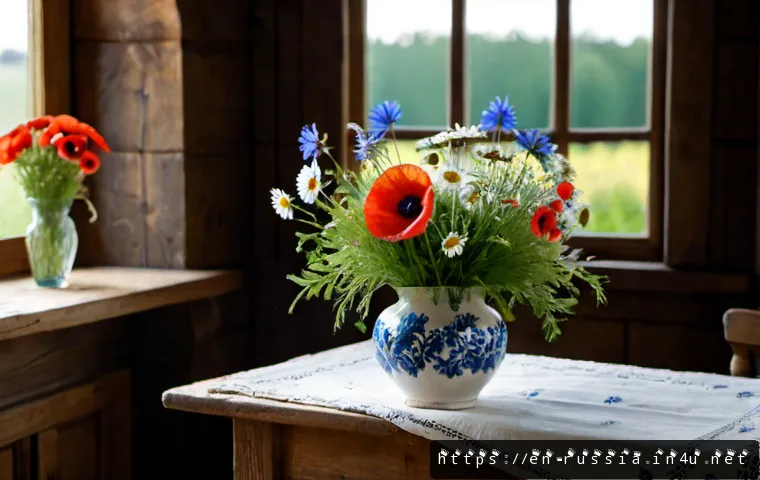
A Russian-inspired floral arrangement works best when it feels loose, seasonal, and connected to a garden or meadow rather than rigidly symmetrical. For gifts, a structured hand-tied bouquet can be appropriate, but flower count and occasion should be checked carefully for a Russian recipient.
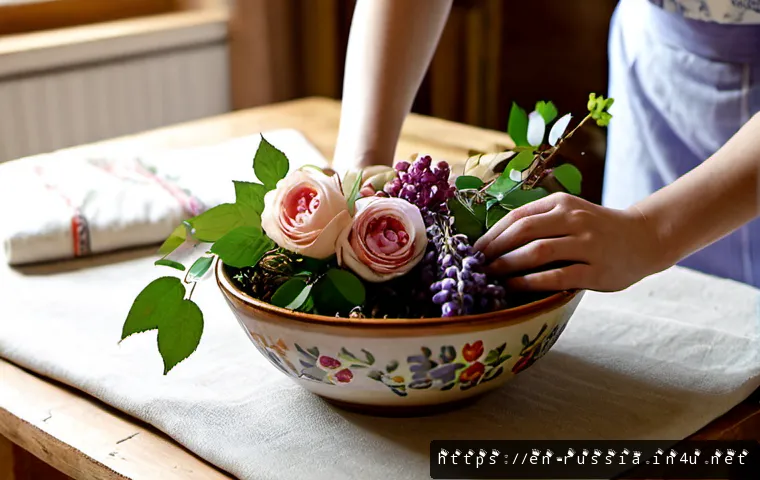
Choose a meadow-style design for relaxed home décor, a refined bouquet for a meaningful celebration, or repeated materials in a larger vessel for an event table.
Local seasonal stems often create the most natural result and may be a better value than blooms shipped from far away. A floral design workshop is useful for hands-on guidance, while bouquet delivery or an event florist can save time when presentation matters.
The key is to use cultural references thoughtfully rather than treating “Russian traditional” as one fixed design rule.
At a Glance
- For home décor: choose airy seasonal flowers, grasses, and natural foliage in a simple vessel.
- For gifting: use a polished hand-tied bouquet and confirm the occasion, flower count, and recipient preferences.
- For events: repeat a limited group of seasonal materials in larger containers for a cohesive display.
| Arrangement Route | Best For | What to Compare Before Choosing |
|---|---|---|
| DIY seasonal flowers | Home tables, casual hosting, creative projects | Local stem availability, time to arrange, container options, and freshness |
| Floral design workshop | Learning hand-tied or vase-arranging skills | Class format, included floral supplies, seasonal materials, and take-home arrangement details |
| Bouquet delivery | Gifts and occasions when timing matters | Seasonal substitutions, bouquet size, card options, and local etiquette guidance |
| Event-florist service | Weddings, receptions, and larger celebrations | Portfolio style, vessel rentals, setup needs, repeated-material designs, and seasonal sourcing |
What Defines a Russian-Inspired Floral Arrangement?
A Russian-inspired arrangement is usually more about seasonal atmosphere, garden character, and natural texture than a strict technical formula. Russian floral traditions are not generally defined by one formalized arranging system comparable to Japanese ikebana. That leaves room for a design that feels personal while still drawing on familiar visual cues: meadow flowers, leafy branches, grasses, berries, and a relaxed country-garden mood.
The Role of Seasonality, Garden Flowers, and Natural Texture
Seasonal garden and meadow flowers are widely associated with Russian summer imagery and informal country-house gardens. Instead of forcing every stem into an even dome, let some flowers sit higher, some lean outward, and some create softer edges. Birch branches, wild grasses, berries, and natural foliage can add a rustic direction without requiring a themed or costume-like result.
Why “Russian Traditional” Is an Inspiration Category Rather Than One Fixed Rulebook
There is no single universally accepted list of “traditional Russian flowers” for arranging. Flower choices, symbolism, and gift customs may vary by region, family, occasion, and personal preference. Treat the reference as a starting point for color, texture, and seasonality—not as a reason to make historical claims that cannot be verified.
Quick Answer: Choose Loose, Seasonal, Nature-Led Compositions
For most settings, choose loose composition over rigid symmetry. Use a few focal flowers, lighter supporting stems, and visible negative space. This approach works especially well when locally grown flowers are available and when the goal is an arrangement that feels fresh rather than overly manufactured.
Choose a Style: Meadow Bouquet, Gift Arrangement, or Event Centerpiece
Informal Meadow Style for Home Tables and Casual Celebrations
A meadow-style arrangement suits a kitchen table, weekend gathering, or relaxed seasonal display. Combine flowers with grasses and foliage, then place them in a glass, ceramic, or simple rustic vessel. Keep the overall silhouette uneven in a deliberate way: varied stem heights create movement, while open areas prevent the bouquet from looking crowded.
Structured Hand-Tied Bouquets for Gifting
A gift bouquet can be more polished while still keeping a seasonal, garden-led feeling. Choose a restrained palette, gather stems into a comfortable hand-tied shape, and use a ribbon inspired by floral folk-art colors or textiles if it suits the occasion. For a Russian recipient, flower count and occasion context deserve attention before the bouquet is ordered or delivered.
Larger Vessels and Repeated Materials for Weddings or Events
For weddings, dinners, or larger events, repetition is more effective than trying to include every possible flower. Select a small material family—such as seasonal blooms, grasses, foliage, and one branching element—and repeat it across several vessels. An event florist can help match the arrangement scale to the table layout, venue style, and setup requirements.
DIY Versus Florist Service: Time, Finish Quality, and Budget Considerations
DIY is a practical choice when you enjoy arranging, have access to good seasonal stems, and do not need identical results across many tables. A floral design workshop is useful if you want instruction on stem handling, proportion, and bouquet mechanics. Bouquet delivery is convenient for a gift, while a professional florist is often the better route for event work where consistent finish quality and coordination matter. Costs vary substantially by city, season, and availability, so compare the actual materials and service scope rather than assuming one route is always less expensive.
Flowers, Foliage, and Containers That Create the Look
Seasonal Stems and Locally Available Alternatives
Start with what is growing or readily available in your area. Locally grown seasonal stems may offer better value than imported flowers, and they naturally support the fresh, informal direction of this style. Rather than searching for a supposedly required flower, choose stems with a garden-like line, soft texture, or meadow character.
Using Grasses, Branches, Berries, and Foliage Without Overcrowding
Natural materials should support the flowers, not bury them. Add grasses for lightness, a few branches for structure, and foliage to connect separate flower groups. Berries can provide visual interest, but use them sparingly so the design remains open. If every gap is filled, the arrangement loses the airy quality that makes it feel natural.
Selecting Ceramic, Glass, Metal, or Rustic Vessels by Setting and Budget
Ceramic works well for warm, homey settings and can visually anchor loose stems. Glass keeps the arrangement lighter and is useful when you want stems to remain part of the look. Metal can suit a more formal table if its finish does not compete with the flowers. A rustic vessel can support a country-garden mood, but choose one that is stable and watertight before arranging.
How to Use Folk-Art-Inspired Colors Without Making the Arrangement Look Theatrical
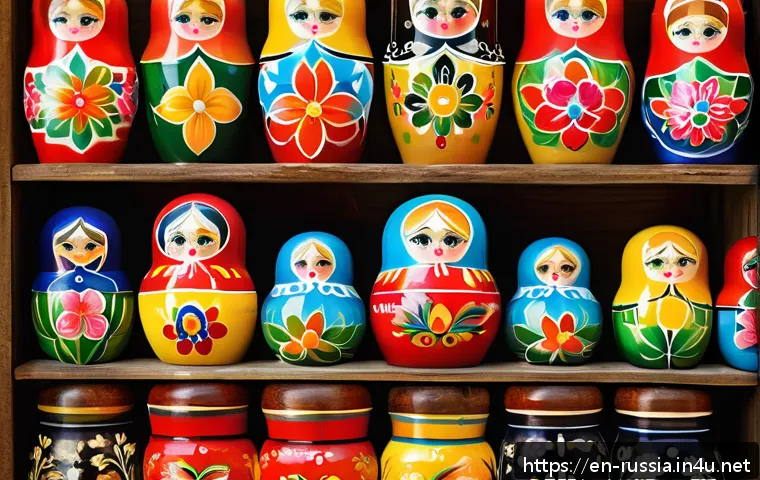
Traditional folk art, textiles, and painted decorative objects often feature floral motifs that can inspire a palette or ribbon choice. Take one small cue rather than copying many decorative elements at once. For example, a floral-patterned ribbon or a focused mix of warm and cool tones may be enough. Keep the flowers themselves seasonal and let the cultural reference remain subtle.
Build the Arrangement Step by Step Without Common Mistakes
Start With Proportion, Focal Flowers, and Airy Supporting Stems

Begin with the container and decide how wide and tall the arrangement should feel. Place a small number of focal flowers first, then add supporting blooms around them. Use lighter stems last so they can extend beyond the main flower group. The goal is not perfect matching; it is a balanced composition with a clear visual center.
Create Movement With Varied Heights and Negative Space
Varying heights makes the arrangement feel more garden-like. Let a few stems rise above the main group and allow some grasses or foliage to move outward. Negative space is important: visible gaps help individual flowers read clearly and prevent a dense, retail-display look.
Avoid Overmatching Colors, Tightly Packed Stems, and Fragile Materials
A common mistake is selecting too many colors and then packing them tightly into a small vessel. Another is using delicate branches or berries without considering whether they can support the composition. Limit the palette, give stems room, and test the stability of heavier materials before placing the arrangement where guests may brush against it.
Keep Cut Flowers Fresh: Water, Stem Trimming, Temperature, and Placement
Use a clean vessel with fresh water, trim stems before arranging, and keep the display away from direct heat. Check the water regularly and remove any stems that no longer look fresh. If flowers are being delivered as a gift or prepared for an event, ask the florist about care instructions for the particular seasonal materials used.
Gift Etiquette and Occasion-Specific Choices
Flower Counts and Why Occasion Context Matters
In common Russian flower-giving etiquette, odd-numbered bouquets are generally used for celebrations, while even-numbered bouquets are commonly associated with funerals or memorial occasions. This is a meaningful checkpoint for birthday flowers, host gifts, and formal celebrations. It is also wise to remember that customs can differ by family, region, and personal preference.
Choosing a Respectful Bouquet for Celebrations, Hosts, and Formal Events
For a celebration, select flowers that suit the recipient and keep the presentation thoughtful rather than excessive. For a host, a seasonal bouquet in a manageable size can be considerate. For a formal event, choose an arrangement that fits the venue and does not obstruct conversation. Color, quantity, and occasion can all carry social meaning, so a quick check before ordering is worthwhile.
When to Ask a Local Florist for Cultural Guidance
Ask a local florist when the bouquet is intended for a Russian recipient and you are unsure about count, color, or occasion. This is especially useful for sympathy flowers, milestone events, or formal family gatherings. A florist familiar with the local community may also suggest seasonal substitutions that preserve the intended look.
Alternatives When the Recipient’s Preferences Are Unknown
When preferences are unclear, keep the bouquet seasonal, restrained, and easy to place in a home. Avoid assuming that one flower has the same symbolism for every person. A simple note, a practical vase-friendly size, and an odd flower count for a celebratory gift are sensible starting points.
Selection Criteria and Comparison Summary
For a modest home project: choose locally available seasonal stems, one supporting foliage material, and a stable vessel you already own. For a meaningful gift: prioritize the occasion, recipient preferences, flower count, and dependable bouquet delivery timing. For a polished event display: compare event-florist portfolios, seasonal stem availability, vessel options, and the level of setup support offered. Before deciding, check the season, occasion, flower count, container, and service level. Compare local florist portfolios and seasonal stem availability before placing an order.
In Closing
Russian-inspired flower arranging is most convincing when it feels connected to the season and the natural character of the stems. A loose meadow arrangement can be simple to make at home, while a hand-tied bouquet offers a more finished gift presentation. For larger occasions, a florist can translate the same nature-led idea into a consistent event design. The most important detail for gifting is to respect the occasion and verify etiquette when needed.
Useful Things to Know
Seasonal sourcing: locally available flowers may be a practical alternative to imported blooms. Natural texture: grasses, foliage, berries, and branches can add character when used with restraint. Learning option: floral design workshops can help with proportion, hand-tying, and flower-care basics. Service option: bouquet delivery and event-florist services are most useful when timing, consistency, or presentation is important.
Important Notes
There is no single universal formula for a “traditional Russian” arrangement, and flower symbolism may vary by region, family, event, and individual preference. Costs for flowers, workshops, delivery, and florist services vary by location, season, and availability. For a bouquet intended for a Russian recipient, especially for a formal or sensitive occasion, confirm local etiquette and the recipient’s preferences when possible.
Frequently Asked Questions
Q1. What flowers work best for a Russian-inspired bouquet?
A1. Seasonal garden and meadow-style flowers are a strong starting point. Choose locally available stems with a soft, natural look, then add grasses, foliage, or a few branches for texture. There is no single required list of flowers.
Q2. Is it appropriate to give an even number of flowers to a Russian recipient?
A2. In common Russian flower-giving etiquette, even-numbered bouquets are commonly associated with funerals or memorial occasions, while odd-numbered bouquets are generally used for celebrations. For a gift, check the occasion and ask for local guidance if you are uncertain.
Q3. Is it cheaper to make a seasonal bouquet yourself or order from a florist?
A3. It depends on local flower availability, the season, the stems selected, and the level of finish you need. DIY may suit a small home arrangement, while a florist can be more practical for delivery, gift presentation, or an event requiring multiple coordinated designs.