Russia’s vast forests are among the world’s most breathtaking natural wonders, stretching across millions of acres and hosting an incredible diversity of wildlife.
These woodlands not only play a crucial role in global ecology but also offer serene escapes for nature lovers and adventurers alike. National parks scattered throughout the country protect these precious ecosystems while providing unique opportunities for hiking, wildlife spotting, and cultural exploration.
Whether you’re fascinated by towering Siberian pines or eager to experience remote wilderness, Russia’s forests hold countless hidden gems waiting to be discovered.
Let’s dive deeper into what makes these national parks so special and explore how they contribute to conservation and tourism. Get ready to uncover the secrets of Russia’s magnificent natural landscapes!
Exploring the Untamed Wilderness of Russia’s Forests
The Diversity of Flora and Fauna
Russia’s forests are a sprawling mosaic of ecosystems that support a staggering variety of plant and animal species. From the dense coniferous Siberian taiga to the mixed deciduous woods in the European part of Russia, each forest type offers unique habitats.
For instance, the Siberian pine, with its towering height and resilience to extreme cold, dominates much of the landscape, creating an iconic silhouette against the horizon.
These forests shelter rare animals such as the elusive Siberian tiger, brown bears, and countless bird species that thrive in these relatively untouched environments.
Walking through these woodlands, you can witness the subtle interplay of life cycles—from the moss covering the forest floor to the insects buzzing among the trees, all contributing to a complex ecological web.
Seasonal Changes and Their Impact
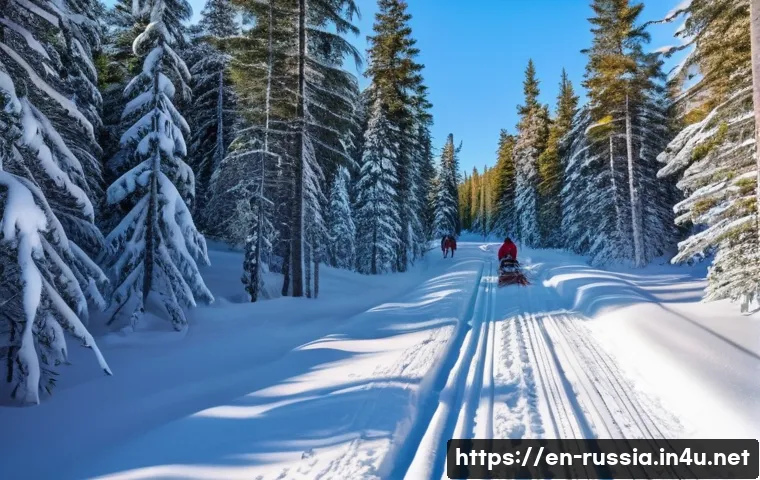
One of the most fascinating aspects of Russia’s forests is how dramatically they transform with the seasons. Winter cloaks the landscape in snow, turning the forest into a silent, almost mystical place where animal tracks tell stories of survival.
Spring brings a burst of life, with wildflowers carpeting the undergrowth and migratory birds returning to nest. Summer offers long days bathed in sunlight filtering through the canopy, perfect for hiking and wildlife observation.
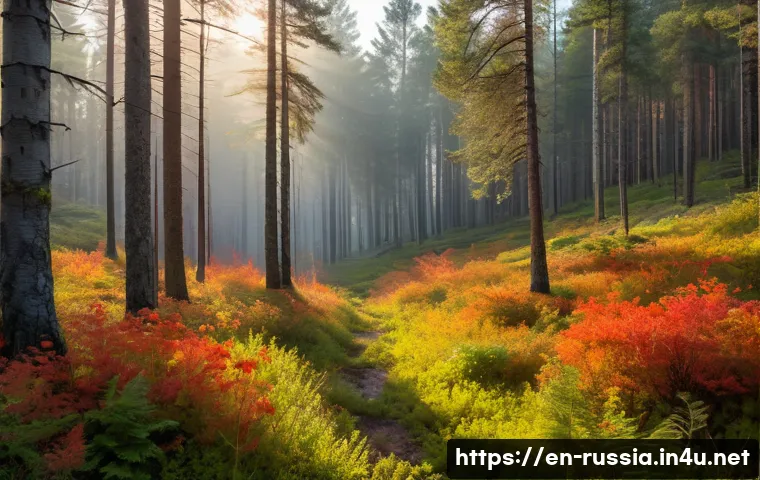
Autumn, meanwhile, paints the leaves in fiery hues of red, orange, and gold, creating breathtaking vistas that attract photographers and nature enthusiasts alike.
Experiencing these seasonal shifts firsthand gives a deeper appreciation for the resilience and rhythm of these ancient woodlands.
How Protected Areas Safeguard Natural Treasures
Role of National Parks in Conservation
Russia’s national parks serve as critical strongholds for biodiversity protection and environmental research. These parks are carefully managed to balance human activity with nature preservation, often restricting certain areas to maintain habitats for endangered species.
The designation of a national park means stricter regulations on logging, mining, and development, which helps preserve vast tracts of forest in their natural state.
Park authorities collaborate with scientists to monitor wildlife populations and study ecological processes, which in turn informs better conservation strategies.
This hands-on approach ensures that these forests remain refuges not only for animals but also for future generations who seek to connect with nature.
Community Involvement and Sustainable Tourism
What I’ve noticed is that local communities play a pivotal role in the success of conservation efforts within these parks. Many national parks encourage sustainable tourism practices by involving residents in guiding tours, managing eco-friendly accommodations, and educating visitors about responsible behavior.
This partnership not only generates income for local people but also fosters a sense of stewardship toward the environment. Visitors who participate in these activities often leave with a greater understanding of the delicate balance between human presence and wilderness preservation.
It’s inspiring to see how conservation and community development can go hand in hand, creating a model that benefits both people and nature.
Adventure Activities for Every Nature Enthusiast
Hiking Trails and Wildlife Watching
For those eager to explore Russia’s forests on foot, the national parks offer an impressive network of hiking trails that cater to all skill levels. From leisurely walks through birch groves to challenging treks across rugged terrain, there’s something for everyone.
Along the way, you might spot majestic elk grazing, hear the distant call of owls, or catch a glimpse of a fox darting through the underbrush. Many trails are equipped with observation towers and hides designed to minimize disturbance while maximizing wildlife viewing opportunities.
Personally, I found that early morning hikes provide the best chance to encounter animals, as the forest awakens and activity increases.
Winter Sports and Unique Seasonal Experiences
Winter in Russia’s forested regions opens up a whole new world of adventure. Cross-country skiing and snowshoeing are popular ways to traverse snow-covered trails, offering a peaceful and immersive experience in the heart of the taiga.
Ice fishing on frozen lakes within park boundaries is another favorite pastime, combining cultural tradition with outdoor fun. For the truly adventurous, some parks even offer guided snowmobile tours or dog sledding, providing exhilarating ways to cover vast distances.
These winter activities highlight the versatility of Russia’s forests as year-round destinations, attracting visitors who crave solitude and the thrill of the wild.
Cultural Connections Embedded in the Forests
Indigenous Heritage and Traditions
Many of Russia’s forested areas are home to indigenous peoples whose cultures are deeply intertwined with the natural environment. These communities have lived sustainably alongside the forests for centuries, developing a rich knowledge of medicinal plants, animal behavior, and seasonal cycles.
Visiting national parks often includes opportunities to learn about these traditions through cultural centers, guided tours, or festivals celebrating native customs.
Hearing stories passed down through generations or witnessing traditional craft-making provides a powerful reminder of humanity’s longstanding relationship with nature.
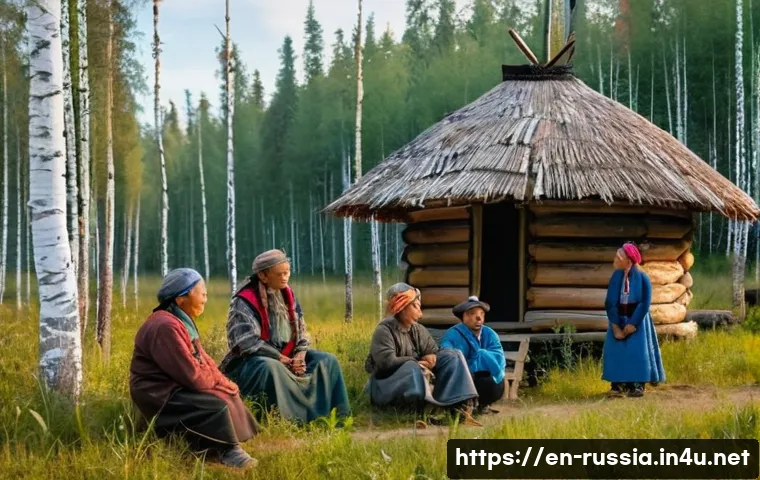
This cultural dimension adds a meaningful layer to any forest adventure.
Historical Landmarks Within Forest Reserves
Scattered throughout the national parks are historical sites that offer glimpses into Russia’s past. From ancient wooden churches hidden in the woods to remnants of old logging camps and wartime bunkers, these landmarks enrich the visitor experience by connecting natural beauty with human history.
Some parks feature museums or interpretive trails that explain the significance of these sites, making it easy to appreciate the layers of history embedded in the landscape.
Exploring these historical elements alongside natural wonders turns a simple forest visit into a journey through time.
Challenges and Future Prospects for Russia’s Forests
Threats from Climate Change and Human Activity
Despite their vastness, Russia’s forests are not immune to threats. Climate change is altering growth patterns, increasing the frequency of wildfires, and affecting wildlife habitats.
In addition, illegal logging and infrastructure development continue to put pressure on these ecosystems. From my conversations with conservationists, it’s clear that balancing economic needs with environmental protection remains a complex challenge.
However, there is hope as advances in satellite monitoring and community-based conservation are improving forest management and response to threats.
Innovations in Forest Management and Restoration
Emerging technologies and conservation strategies are helping to safeguard Russia’s forests for the future. Drone surveillance, reforestation programs, and habitat restoration projects are becoming more common, providing tools to monitor and rehabilitate damaged areas.
Collaborative international efforts also support research and funding for large-scale conservation initiatives. Visitors can contribute by supporting eco-friendly tourism and spreading awareness about the importance of these natural treasures.
The path forward involves combining traditional knowledge with modern science to ensure these forests remain vibrant and resilient.
| National Park | Region | Key Features | Popular Activities |
|---|---|---|---|
| Stolby Nature Sanctuary | Siberia | Granite rock formations, taiga forest | Hiking, rock climbing, wildlife watching |
| Valdaysky National Park | Northwestern Russia | Lakes, mixed forests, wetlands | Boating, fishing, birdwatching |
| Sochi National Park | Black Sea Coast | Subtropical forest, mountain landscapes | Hiking, skiing, cultural tours |
| Russian Arctic National Park | Arctic Circle | Tundra, polar bears, glaciers | Wildlife expeditions, photography |
| Bashkiria National Park | Ural Mountains | Deciduous forests, caves, waterfalls | Hiking, spelunking, eco-education |
Practical Tips for Visiting Remote Forests
Preparation and Safety Considerations
Venturing into Russia’s forests requires thoughtful preparation, especially when traveling to remote areas. I recommend packing layered clothing to adapt to sudden weather changes, sturdy footwear for uneven trails, and sufficient supplies of food and water.
Navigational tools like GPS devices and detailed maps are essential, as cellular coverage can be spotty. It’s also wise to inform park authorities or local guides about your itinerary for safety reasons.
Being prepared not only ensures a more enjoyable trip but also minimizes risks associated with wilderness travel.
Respecting the Environment and Local Communities
When exploring these natural areas, it’s important to tread lightly and respect both the environment and the people who call these forests home. Simple actions like carrying out all trash, staying on marked trails, and avoiding disturbance to wildlife make a big difference.
Engaging with local communities through eco-tourism initiatives helps support conservation efforts and cultural preservation. From my experience, visitors who approach these trips with curiosity and respect tend to have more meaningful and memorable encounters.
Responsible tourism is the key to preserving the magic of Russia’s forests for years to come.
Conclusion
Russia’s forests offer an extraordinary journey through vast wilderness filled with diverse ecosystems, rich cultural heritage, and thrilling adventures. Exploring these lands provides a rare chance to connect deeply with nature and appreciate the delicate balance that sustains life here. Protecting these forests is vital for future generations to experience their beauty and mystery. Whether you seek solitude, wildlife encounters, or cultural insights, Russia’s forests promise unforgettable memories.
Useful Information to Know
1. Always check weather conditions before heading into the forests, as they can change rapidly, especially in remote areas.
2. National parks often have visitor centers with helpful guides, maps, and information on local wildlife and regulations.
3. Carry reusable water bottles and eco-friendly supplies to minimize your environmental impact.
4. Respect local customs and seek permission if you plan to engage with indigenous communities or participate in cultural events.
5. Booking guided tours can enhance safety and enrich your experience by providing expert knowledge and access to hidden spots.
Key Takeaways
When visiting Russia’s forests, preparation and respect are paramount. Prioritize safety by bringing appropriate gear and informing authorities about your plans. Support conservation efforts by practicing responsible tourism, such as staying on marked trails and avoiding wildlife disturbance. Engaging with local communities not only benefits them economically but also fosters a deeper understanding of the natural and cultural landscape. By balancing adventure with care, visitors help ensure these incredible forests endure for generations to come.
Frequently Asked Questions (FAQ) 📖
Q: What makes Russia’s national parks unique compared to those in other countries?
A: Russia’s national parks stand out because of their sheer size and the variety of ecosystems they protect, ranging from dense Siberian taiga to tundra landscapes.
Unlike many smaller parks elsewhere, these areas often encompass vast, untouched wilderness where you can experience true solitude and encounter rare wildlife like Siberian tigers or brown bears.
The cultural heritage intertwined with nature, including indigenous communities and historic sites, also adds a rich layer to the visitor experience that’s hard to find anywhere else.
Q: When is the best time to visit Russia’s forests for hiking and wildlife spotting?
A: The ideal time depends on what you want to see, but generally, late spring through early autumn (May to September) offers the most comfortable weather for hiking and wildlife observation.
During these months, the forests are lush and vibrant, and animals are more active. Summer provides long daylight hours, especially in northern regions, giving you plenty of time to explore.
However, if you’re after unique winter scenery or snowshoe trekking, visiting from December to February can be magical, though it requires proper gear and preparation.
Q: How do Russia’s national parks contribute to global conservation efforts?
A: Russia’s national parks play a critical role in conserving biodiversity by protecting large tracts of forest that serve as carbon sinks and habitats for endangered species.
These parks help mitigate climate change by preserving old-growth forests that absorb massive amounts of CO2. Additionally, they support scientific research and environmental education, raising awareness about the importance of sustainable land management.
By promoting eco-tourism, the parks also encourage local communities to participate in conservation, creating a balance between protecting nature and supporting livelihoods.