Travel enthusiasts, have you ever found yourself overwhelmed by the flood of overpriced souvenirs claiming to capture the essence of Russia? With the recent surge in global tourism and a growing appetite for authentic cultural keepsakes, it’s more important than ever to navigate the market smartly.
I’ve been there—wandering through bustling bazaars, eager to bring home genuine treasures without emptying my wallet. In this post, I’m excited to share insider tips that helped me score truly authentic Russian souvenirs, blending tradition with affordability.
Whether you’re a seasoned traveler or planning your first trip, these secrets will transform your souvenir shopping experience into a rewarding adventure.
Let’s dive in and discover how to bring home pieces of Russia that tell a real story.
Decoding Authenticity: Spotting Genuine Russian Souvenirs
Recognizing Craftsmanship Beyond the Surface
When you first step into a Russian market, it’s easy to get dazzled by the sheer variety of souvenirs. But authentic Russian crafts have subtle hallmarks that set them apart.
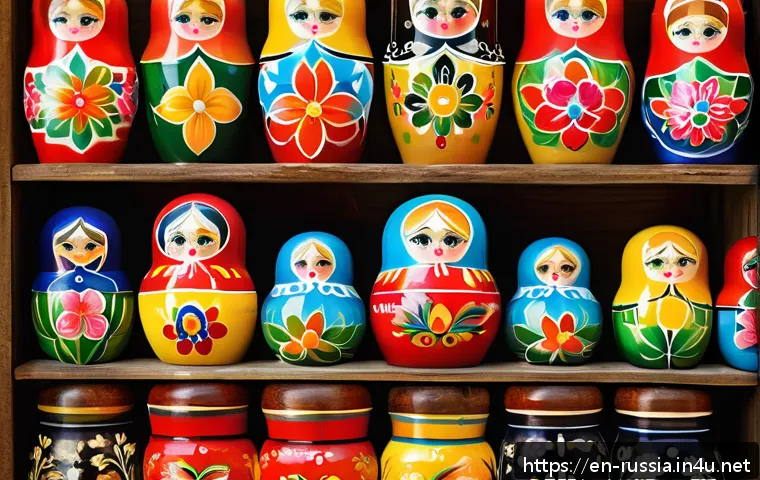
Take Matryoshka dolls, for example. Real ones are hand-painted with distinct brush strokes and vibrant, yet balanced colors. Mass-produced versions often look too perfect or have faded colors.
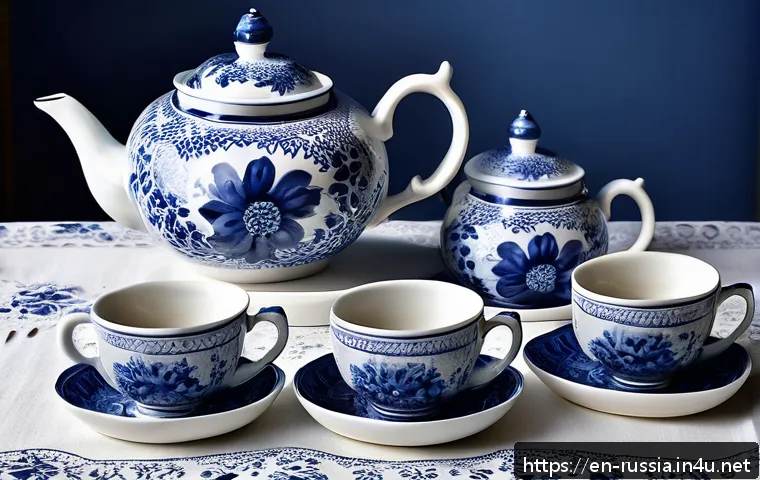
Pay close attention to the detailing on items like lacquer boxes or Gzhel ceramics—the hand-painted blues on authentic pieces are deep and varied, not flat or uniform.
I’ve found that holding the item, feeling its weight and texture, often reveals its quality better than just looking at it.
Materials Matter: Wood, Porcelain, and Fabrics
Materials used in Russian souvenirs are crucial clues. Genuine Khokhloma woodwork, famous for its gold and red patterns, always feels smooth and solid, not plasticky.
Porcelain from the Imperial Porcelain Factory or Gzhel ceramics carry a certain coolness and weight that cheap souvenirs lack. When it comes to fabrics like traditional shawls or scarves, authentic ones are made from natural fibers such as wool or silk, not synthetic blends.
I once bought a scarf that looked gorgeous but turned out to be synthetic and itchy—definitely not the cozy, high-quality experience I expected.
Trusting Sellers and Asking Questions
Building rapport with local sellers can be your secret weapon. Genuine vendors often share the history behind their crafts and aren’t shy about explaining the production process.
If a seller’s story feels scripted or vague, that’s a red flag. I remember chatting with an elderly artisan in a small shop who patiently showed me how he paints each Matryoshka doll, making the purchase feel personal and meaningful.
Don’t hesitate to ask for a certificate of authenticity or proof of origin when available—it’s a small step that pays off in confidence.
Exploring Regional Specialties: Where to Find Unique Treasures
Discovering Hidden Gems Beyond Moscow and St. Petersburg
While Moscow and St. Petersburg offer a wealth of souvenir options, venturing into lesser-known regions can lead to discovering true Russian cultural gems.
For instance, the city of Suzdal is renowned for its pottery, featuring earthy tones and traditional shapes that reflect centuries-old techniques. Similarly, the Ural region is famous for its malachite stone crafts, including jewelry and decorative items with vibrant green hues.
These regional specialties often come with stories deeply rooted in local folklore and traditions, which you won’t find in mass-market tourist spots.
Seasonal Markets and Festivals as Shopping Hotspots
Timing your visit to coincide with local festivals or seasonal markets can enhance your souvenir hunt. Events like the Maslenitsa Festival or Christmas markets showcase artisans from across Russia, offering a rich variety of handmade goods.
These venues often feature limited-edition items and unique crafts you wouldn’t easily find elsewhere. During my last trip, I stumbled upon a market in Kazan during Sabantuy, a Tatar festival, and snagged beautifully embroidered textiles that captured the region’s cultural blend perfectly.
Balancing Convenience and Authenticity in Big Cities
In major cities, shopping centers and souvenir shops are convenient but can be hit or miss in terms of authenticity. To avoid tourist traps, look for stores affiliated with cultural institutions or government-supported craft centers.
These places tend to curate their collections carefully, ensuring quality and provenance. When pressed for time, I rely on these trusted spots but always complement them with a visit to local artisan workshops or galleries for that extra personal touch.
Budget-Savvy Shopping: How to Get More Value for Your Rubles
Negotiation Tips That Actually Work
Haggling can feel intimidating if you’re not used to it, but in Russian markets, it’s often expected. The trick is to start with a polite smile and a genuine interest in the item.
I usually ask questions about the craft and the artist first, which opens the door for a friendly price discussion. Avoid lowballing—it can offend sellers and shut down the conversation.
Instead, offer about 10-15% less than the asking price and be ready to meet halfway. Remember, the goal is a fair deal that respects the artisan’s work while saving you some cash.
Choosing Multipacks or Sets for Better Deals
Many souvenir sellers offer discounts if you buy multiple items or a set. This works great if you’re looking for gifts or a collection of similar crafts.
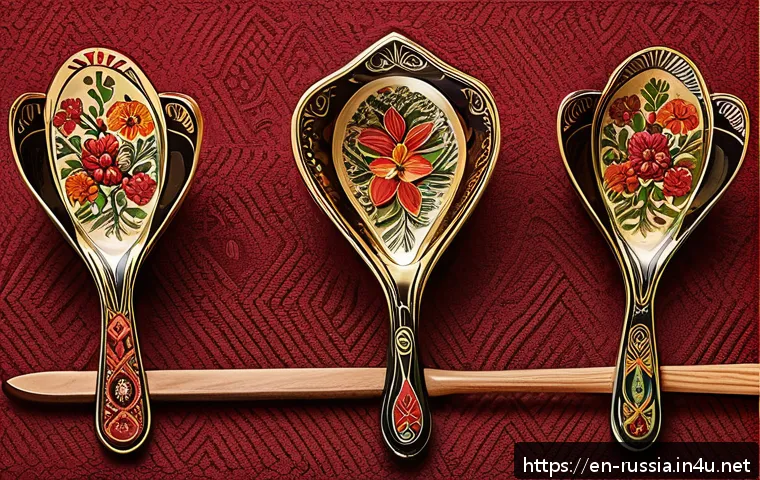
For example, buying a set of Matryoshka dolls or a group of hand-painted spoons often comes with a nice price cut. I once scored a beautiful collection of wooden kitchen utensils at a fraction of the single-item price simply by opting for a bundle.
It’s a win-win—you get more authentic pieces, and the seller moves more stock.
Timing Purchases for Seasonal Sales and Off-Peak Hours
Shopping during off-peak hours or late in the day can sometimes lead to spontaneous discounts. Sellers prefer to close their stalls rather than carry inventory back, so they might offer better prices near closing time.
Similarly, visiting after major holidays or tourist seasons might reveal sales or clearance deals on souvenirs that didn’t sell. I’ve found that a bit of patience and timing can stretch your souvenir budget much further than expected.
Understanding Cultural Symbols to Choose Meaningful Souvenirs
Decoding Traditional Patterns and Motifs
Many Russian souvenirs feature symbols rich in history and meaning. The floral patterns on Khokhloma or the blue-and-white designs of Gzhel ceramics aren’t just decorative—they carry stories of nature, fertility, and protection.
Understanding these motifs adds a layer of appreciation and makes your souvenirs more than just pretty objects. For example, the swirling leaves and berries in Khokhloma are believed to bring prosperity, making these items thoughtful gifts.
Matryoshka Dolls: More Than Just Nesting Toys
Matryoshka dolls are iconic, but their designs can vary widely. Beyond the classic peasant woman, you’ll find dolls representing political figures, fairy tales, or even modern celebrities.
Choosing a doll with a story that resonates with you makes the souvenir special. I once picked up a set depicting Russian literary characters, which sparked conversations back home and deepened my connection to the culture.
Religious Icons and Their Cultural Significance
Orthodox Christian icons are another popular souvenir, often hand-painted on wood with gold leaf accents. These pieces are deeply spiritual and traditionally crafted with reverence.
If you opt for religious souvenirs, it’s good to understand their significance and respect the traditions behind them. I remember visiting a monastery shop where the monks themselves oversaw the icon-making process—it was an unforgettable experience that added immense value to my purchase.
Practical Tips for Transporting and Preserving Your Russian Souvenirs
Packing Fragile Items Safely for the Journey
Souvenirs like porcelain, glass, and wood carvings are often fragile and require careful packing. I always bring bubble wrap or soft cloths and pack heavier items at the bottom of my suitcase, cushioned by clothes.
Using double layers of protection, especially for ceramics, can prevent heartbreak on arrival. If you’re buying from a shop, ask if they provide special packaging; many artisans take pride in ensuring their work reaches you intact.
Preserving Handcrafted Textiles and Wooden Goods
Natural textiles and wood can be sensitive to moisture and heat. To preserve shawls or embroidered fabrics, store them in breathable bags rather than plastic to avoid mildew.
Wooden items benefit from occasional polishing with natural oils to maintain their luster. I learned this the hard way after a trip when a wooden box I’d bought lost its shine; a quick treatment restored its beauty and extended its life.
Customs Regulations and Declaring Your Souvenirs
Being aware of customs rules can save you from unexpected hassles. Russia has specific regulations regarding the export of antiques, religious artifacts, and certain natural materials.
When traveling home, declare your souvenirs honestly, especially if they’re valuable or fragile. Carrying receipts and certificates can smooth customs inspections.
I’ve found that transparency and preparation make the whole process much less stressful.
Comparison of Popular Russian Souvenirs and Their Characteristics
| Souvenir Type | Material | Typical Region | Price Range (USD) | Authenticity Tips |
|---|---|---|---|---|
| Matryoshka Dolls | Wood | Moscow, Sergiyev Posad | 15 – 100+ | Hand-painted details, balanced colors, signed by artist |
| Khokhloma Woodwork | Wood with gold/red paint | Central Russia | 20 – 70 | Smooth finish, traditional patterns, natural wood feel |
| Gzhel Ceramics | Porcelain | Moscow region | 30 – 150 | Deep blue hand-painting, glossy finish, marked bottom |
| Malachite Jewelry | Malachite stone | Ural Mountains | 50 – 500+ | Vibrant green hues, natural stone patterns, certificate |
| Embroidered Shawls | Wool/Silk | Pavlovsky Posad | 40 – 200 | Natural fibers, intricate patterns, soft texture |
In Conclusion
Exploring Russian souvenirs is a journey into rich traditions and skilled craftsmanship. By paying attention to materials, patterns, and the stories behind each piece, you can bring home authentic treasures that truly reflect Russian culture. Remember, the value of a souvenir lies not just in its appearance but in the experience and connection it represents.
Helpful Tips to Keep in Mind
1. Always examine the craftsmanship closely—hand-painted details and natural materials are key indicators of authenticity.
2. Engage with local artisans or sellers to learn about the history and production process; genuine stories add meaning to your purchase.
3. Consider visiting regional markets or festivals for unique, less commercialized souvenirs that carry local significance.
4. Don’t hesitate to negotiate respectfully, and look for bundle deals to maximize your budget.
5. Pack fragile items carefully and be aware of customs regulations to ensure your souvenirs arrive home safely and without hassle.
Key Takeaways
Authentic Russian souvenirs stand out through their quality materials, traditional designs, and the personal stories behind them. When shopping, focus on trusted sources and genuine craftsmanship rather than convenience alone. Patience, curiosity, and respect for the culture will enhance your experience and help you choose meaningful keepsakes that last a lifetime.
Frequently Asked Questions (FAQ) 📖
Q: How can I identify authentic Russian souvenirs among the many options available?
A: To spot genuine Russian souvenirs, focus on traditional items like hand-painted Matryoshka dolls, Khokhloma woodcraft, or Gzhel ceramics. Authentic pieces usually have intricate, detailed artwork and a quality finish that mass-produced items lack.
When possible, buy directly from local artisans or reputable markets rather than tourist traps. Don’t hesitate to ask about the origin or the crafting process—it’s a good sign if the seller is knowledgeable and proud of their work.
From my experience, genuine souvenirs often come with a small tag or certificate indicating their cultural heritage, which adds to their authenticity.
Q: What are some budget-friendly tips for buying souvenirs in Russia without compromising on quality?
A: I found that shopping slightly away from major tourist hotspots can save you a lot of money while still offering quality souvenirs. Local markets and small family-run shops often have better prices and more authentic products.
Bargaining is common in bazaars, so politely negotiating can get you a fair deal. Also, consider buying smaller items or sets instead of large, expensive pieces if you want to bring home meaningful keepsakes without overspending.
Lastly, try to purchase souvenirs during seasonal sales or festivals when vendors are more likely to offer discounts.
Q: Are there any cultural customs or etiquette I should be aware of when buying souvenirs in Russia?
A: Yes, understanding local customs can make your shopping experience smoother and more enjoyable. In Russia, it’s polite to greet the seller with a friendly “Здравствуйте” (Zdravstvuyte) before starting any conversation.
Bargaining is accepted but should be done respectfully—avoid lowball offers that might offend. Taking the time to show genuine interest in the craft or story behind the item often leads to better interactions and sometimes even discounts.
Also, cash is preferred in many markets, so carrying some rubles on hand is a good idea. From my trips, I’ve noticed that a warm smile and patience go a long way in building rapport with sellers.