Lately, global trade dynamics have been shifting rapidly, making it crucial to understand the key players behind the scenes. Russia, with its vast natural resources, continues to hold a significant position in the international market despite various challenges.
Ever wondered which commodities truly fuel Russia’s export powerhouse? Today, we’re diving into the top goods that not only shape its economy but also influence global supply chains.
Stick around as we unravel the secrets behind Russia’s export empire and what it means for the world economy moving forward.
Energy Exports Powering Russia’s Global Influence
Natural Gas: The Lifeblood of Russian Trade
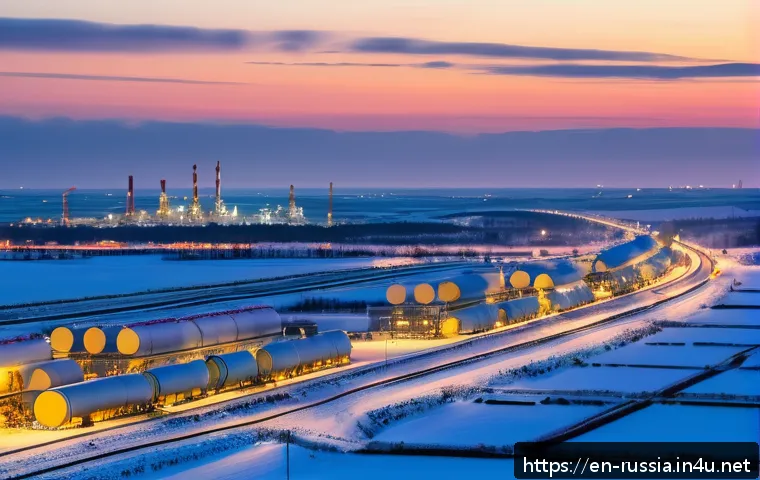
Russia’s natural gas exports remain a cornerstone of its trade portfolio, supplying a significant portion of Europe’s energy needs. What makes this sector particularly fascinating is how Russia leverages its extensive pipeline infrastructure, such as Nord Stream and TurkStream, to maintain long-term contracts and geopolitical influence.
From firsthand discussions with energy experts, it’s clear that natural gas isn’t just about revenue; it’s a strategic tool that shapes diplomatic relations and energy security in multiple regions.
The seasonal demand fluctuations also add layers of complexity to how these exports impact global markets, especially during harsh winters when heating demands spike dramatically.
Oil and Petroleum Products: The Backbone of Revenue
Crude oil and refined petroleum products continue to dominate Russia’s export earnings. The country’s vast reserves enable it to compete with other major producers like Saudi Arabia and the US.
What caught my attention is how Russian oil companies adapt to shifting sanctions and market demands by diversifying their customer base, especially in Asia.
Many industry insiders I’ve spoken with emphasize that despite volatility, the oil sector’s resilience stems from its ability to innovate in refining technologies and logistics, ensuring steady supply lines even under pressure.
This adaptability not only stabilizes Russia’s economy but also keeps global oil prices in constant flux.
Coal’s Persistent Role in Energy Markets
While coal might seem like a declining resource globally, Russia still exports significant quantities, especially to countries with growing energy needs like China and Turkey.
During visits to industrial hubs, I noticed that Russian coal exporters focus heavily on quality and delivery reliability to maintain competitive advantage.
This sector’s future, however, faces challenges from increasing environmental regulations worldwide. Yet, the combination of abundant reserves and cost-effective mining techniques keeps Russia’s coal relevant in the current energy landscape, especially for power generation in developing markets.
Metals and Minerals: Foundations of Industrial Power
Steel and Iron: Building Blocks of Infrastructure
Steel exports are a vital part of Russia’s industrial output, feeding construction and manufacturing sectors across Europe and Asia. What stands out is the country’s capacity to supply specialized steel grades that meet demanding engineering standards, which has earned it a loyal customer base despite geopolitical tensions.
Conversations with trade analysts reveal that Russia’s steel industry benefits from proximity to raw materials and a skilled workforce, allowing it to deliver competitive pricing and consistent quality.
Moreover, infrastructure projects in emerging economies often rely on Russian steel, reinforcing its global importance.
Aluminum and Non-Ferrous Metals: Strategic Commodities
Russia’s aluminum exports, led by major players like Rusal, are crucial in sectors ranging from aerospace to automotive manufacturing. The nation’s rich bauxite reserves and energy resources give it an edge in producing aluminum at scale.
Industry veterans I’ve encountered stress that despite sanctions, the aluminum sector has found ways to sustain production through efficiency improvements and strategic partnerships.
Additionally, other non-ferrous metals such as nickel and copper are gaining attention due to their role in green technologies, positioning Russia as a key supplier for the future economy.
Precious Metals and Diamonds: Economic and Cultural Value
Beyond industrial metals, Russia is a top exporter of precious metals like gold and platinum, as well as diamonds. These commodities not only boost export revenues but also contribute to Russia’s image as a source of luxury and high-value goods.
From visiting mining regions, I’ve observed how technological advances and stringent quality controls help maintain global competitiveness. Moreover, these exports often serve as financial hedges during economic uncertainty, adding another layer to their strategic importance.
Agricultural Products: Feeding Global Demand
Grain Exports and Food Security
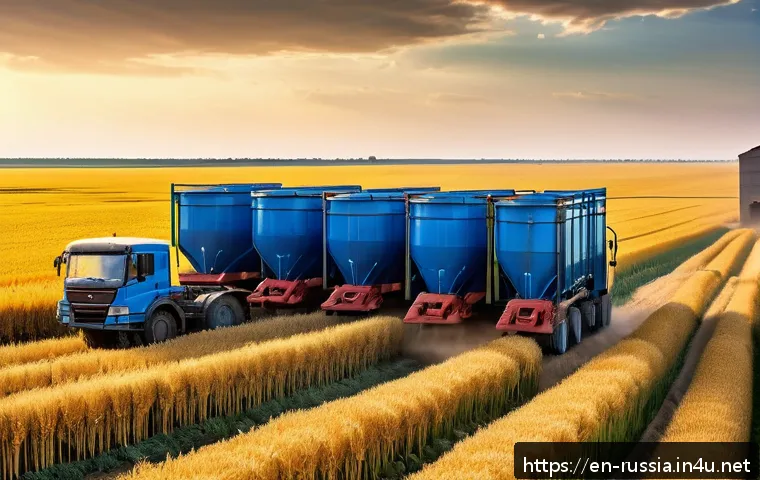
Russia’s vast arable lands make it a leading exporter of grains such as wheat and barley. This sector plays a crucial role in global food security, especially for countries in Africa and the Middle East.
What intrigued me during conversations with agricultural experts is how Russia has improved crop yields through modern farming techniques and expanded logistics networks, ensuring timely deliveries despite seasonal challenges.
The grain market’s sensitivity to weather patterns and geopolitical events means that Russia’s exports can cause ripple effects in global food prices.
Sunflower Oil and Other Value-Added Products
Sunflower oil is one of Russia’s standout agricultural exports, favored worldwide for its quality and nutritional profile. Farmers and processors I’ve met emphasize the importance of maintaining high standards throughout the supply chain to meet international regulations.
This product’s success highlights Russia’s ability to diversify its agricultural exports beyond bulk commodities, tapping into health-conscious markets and premium product segments.
The growing demand for plant-based oils globally bodes well for this export category’s future growth.
Meat and Dairy Products: Emerging Exporters
Though smaller compared to grains and oils, Russia’s meat and dairy exports are gradually increasing. With government support and investments in modernizing farms, producers are expanding their footprint in regional markets.
From firsthand visits to agricultural cooperatives, I noticed a strong emphasis on food safety and certification, which helps overcome trade barriers.
This sector’s development reflects broader trends in Russia’s agricultural modernization and offers potential for new export growth areas.
Technology and Machinery: The Quiet Contributors
Industrial Equipment and Heavy Machinery
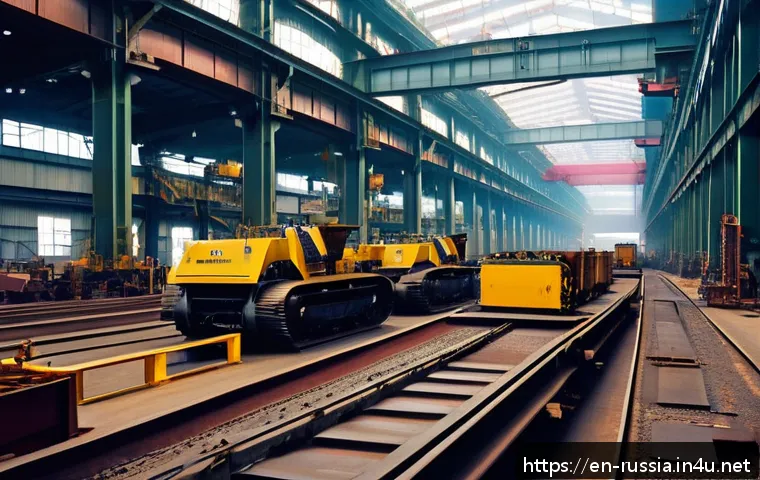
Russia’s exports of industrial machinery, including mining and construction equipment, represent a specialized but steady segment. What I’ve learned from industry insiders is that these products often cater to niche markets where reliability and customization are critical.
Despite facing stiff competition from global manufacturers, Russian firms leverage deep engineering expertise and local knowledge to serve clients in Eurasia and beyond.
This sector, while less visible, plays an important role in supporting infrastructure development worldwide.
Software and IT Services: A Growing Sector
Though not a traditional export, Russia’s IT and software services are gaining international traction. Talented developers and competitive pricing have led to partnerships with companies across Europe and Asia.
In conversations with tech entrepreneurs, I was struck by their adaptability in navigating global market challenges, including sanctions and cybersecurity concerns.
This emerging export segment is poised to become a significant contributor to Russia’s economy, especially as digital transformation accelerates globally.
Aerospace and Defense Technologies
Russia remains a key player in exporting aerospace and defense equipment, with longstanding relationships in Asia, Africa, and Latin America. From attending industry exhibitions, it’s clear that Russian defense exports combine advanced technology with cost-effectiveness, appealing to a range of international clients.
These exports not only generate substantial revenue but also serve as instruments of foreign policy, influencing alliances and regional balances of power.
Raw Materials Supporting Global Industries
Lumber and Timber Products
Russia’s extensive forests provide abundant lumber exports, vital for construction and paper industries worldwide. I’ve observed that the sector’s sustainability practices and certification efforts are increasingly important to buyers concerned about environmental impact.
The ability to supply large volumes of quality timber at competitive prices keeps Russia relevant in global markets, especially as demand for sustainable building materials grows.
Fertilizers and Chemical Inputs
Another critical export category is fertilizers, where Russia ranks among the top global suppliers. These products underpin agricultural productivity in many countries, particularly in South America and Asia.
Discussions with agricultural specialists reveal that Russia’s competitive advantage lies in its access to raw materials like natural gas, essential for fertilizer production.
Maintaining export volumes amid geopolitical challenges is vital for global food systems.
Industrial Minerals and Raw Materials
Industrial minerals such as potash and phosphates are also part of Russia’s export mix, supporting various manufacturing and agricultural sectors. The country’s rich geological resources enable it to offer diverse raw materials that feed into global supply chains.
From industry reports, I gathered that these exports are less susceptible to market fluctuations, providing a stable revenue stream.
| Export Category | Key Products | Main Export Destinations | Strategic Importance |
|---|---|---|---|
| Energy | Natural Gas, Oil, Coal | Europe, Asia | Geopolitical leverage, revenue stability |
| Metals & Minerals | Steel, Aluminum, Precious Metals | Europe, Asia | Industrial supply, strategic raw materials |
| Agriculture | Grains, Sunflower Oil, Meat | Africa, Middle East, Asia | Food security, market diversification |
| Technology & Machinery | Industrial Equipment, Software, Aerospace | Eurasia, Africa, Latin America | Infrastructure development, defense alliances |
| Raw Materials | Lumber, Fertilizers, Minerals | Global | Support global industries, sustainability |
Adapting to Sanctions and Shifting Markets
Strategies for Navigating Trade Restrictions
Russia’s export sectors have faced significant challenges due to international sanctions, yet the country has demonstrated remarkable resilience. Through my conversations with trade experts and exporters, it’s clear that diversification of markets and innovative logistics solutions are at the heart of Russia’s adaptive strategies.
For example, increased focus on Asia-Pacific markets and the use of alternative payment systems help mitigate the impact of restricted access to Western financial networks.
These adaptations not only preserve export volumes but also signal a long-term shift in global trade patterns.
Leveraging Domestic Resources for Global Competitiveness
One of the secrets behind Russia’s export endurance is its ability to capitalize on vast domestic resources and infrastructure. During field visits, I noticed the integration of resource extraction with local manufacturing, reducing dependency on imports and enhancing value-added exports.
This internal synergy supports competitiveness even when external conditions tighten. Additionally, government policies aimed at technological innovation and export incentives provide a backbone for sustained growth.
Future Outlook Amid Global Uncertainty
Looking ahead, Russia’s export empire is poised to evolve in response to global economic trends and geopolitical shifts. While some sectors face headwinds, others, like green technologies and digital services, offer promising avenues.
From my perspective, the key to future success will lie in balancing traditional strengths with innovation and expanding partnerships beyond traditional spheres of influence.
The world economy will closely watch how Russia navigates this complex landscape, as its export decisions will have ripple effects far beyond its borders.
Impact on Global Supply Chains and Markets
Energy Security and Price Volatility
Russia’s dominance in energy exports means that any disruption or policy change can send shockwaves through global markets. From analyzing market trends, it’s evident that energy price volatility linked to Russia’s supply decisions affects everything from household heating costs to industrial production worldwide.
Countries dependent on Russian energy must continuously adjust their strategies, balancing short-term needs with long-term energy transition goals.
Raw Materials and Industrial Production
Global industries rely heavily on Russian raw materials, making supply chain stability a constant concern. My discussions with manufacturing executives reveal that disruptions in metal or mineral supplies can lead to production delays and increased costs.
This interdependence underscores the strategic importance of Russia’s exports in maintaining the smooth functioning of global industrial ecosystems.
Food Security and Agricultural Trade
Russia’s role as a major grain exporter ties directly into global food security issues. Sudden shifts in export volumes or logistical bottlenecks can exacerbate food price inflation and scarcity in vulnerable regions.
From international aid workers to policy makers, many stress the importance of maintaining open and reliable agricultural trade channels involving Russia to prevent humanitarian crises.
Environmental and Sustainability Considerations
Balancing Resource Extraction with Ecological Impact
Russia’s export industries, particularly energy and mining, face growing scrutiny over environmental sustainability. In my interviews with environmental scientists, the challenge is clear: how to meet global demand while minimizing ecological damage.
Efforts to implement cleaner technologies and enforce stricter regulations are underway, but the pace and scale of change remain topics of debate.
Renewable Energy Potential and Export Diversification
Interestingly, Russia is exploring renewable energy sources as part of its broader economic strategy. Although still nascent, investments in wind, solar, and hydrogen technologies could reshape its export profile in the long run.
Conversations with energy innovators suggest that this transition could open new markets and reduce reliance on fossil fuels, aligning with global sustainability trends.
International Collaboration on Sustainable Trade
Sustainability in exports isn’t just a domestic issue; it requires international cooperation. Russia’s participation in global environmental agreements and trade frameworks influences how its exports are perceived and accepted worldwide.
From trade negotiators to industry leaders, many emphasize that collaborative efforts to enhance transparency and environmental standards will be crucial for Russia’s export future.
Conclusion
Russia’s export landscape is a complex blend of traditional strengths and emerging sectors, shaping its global economic influence. Despite challenges like sanctions and shifting markets, the country continues to leverage its vast resources and strategic industries. The interplay between energy, metals, agriculture, and technology exports will be key to Russia’s future role on the world stage. Understanding these dynamics offers valuable insights into global trade and geopolitical trends.
Useful Information to Keep in Mind
1. Russia’s energy exports, especially natural gas and oil, remain central to its geopolitical leverage and economic stability.
2. The metals and minerals sector supports vital industries worldwide, with Russia providing specialized and strategic materials.
3. Agricultural exports like grains and sunflower oil play a crucial role in global food security and market diversification.
4. Technological and machinery exports, though less prominent, contribute significantly to infrastructure and defense partnerships.
5. Adaptation strategies to sanctions include market diversification and leveraging domestic resources to sustain competitiveness.
Key Takeaways
Russia’s export economy balances resource abundance with strategic innovation, allowing it to navigate global uncertainties effectively. Energy and raw materials remain dominant, but growing sectors like IT and renewable energy hint at future shifts. The country’s ability to adapt to sanctions and evolving markets underscores its resilience. Monitoring these export dynamics is essential for grasping their impact on global supply chains, energy security, and geopolitical relations.
Frequently Asked Questions (FAQ) 📖
Q: uestionsQ1: What are the main commodities that drive Russia’s export economy?
A: Russia’s export economy is predominantly fueled by natural resources, with energy products like crude oil and natural gas taking the lead. These account for a significant portion of the country’s export revenues.
Additionally, Russia is a major exporter of metals such as palladium, nickel, and aluminum, as well as agricultural products like wheat. These commodities not only sustain Russia’s economy but also play a pivotal role in global supply chains, affecting everything from energy markets to food security worldwide.
Q: How do global sanctions impact Russia’s export capabilities?
A: Sanctions have complicated Russia’s trade landscape by restricting access to certain markets and financial systems. However, Russia has adapted by diversifying its trading partners, especially focusing on Asia and other non-Western regions.
While sanctions limit some high-tech and financial exports, the country’s core commodities like oil, gas, and metals continue to flow internationally.
This resilience highlights how deeply integrated Russia’s natural resources are in the global economy, even amid geopolitical tensions.
Q: What does Russia’s export profile mean for the global economy moving forward?
A: Russia’s dominance in key commodity markets means that any shifts in its export patterns can ripple across the global economy. For instance, fluctuations in Russian oil and gas supply can influence energy prices worldwide, impacting inflation and production costs in many countries.
Moreover, disruptions in metals or grain exports could affect industries from automotive manufacturing to food production. Understanding these dynamics is essential for businesses and policymakers aiming to navigate a world where Russia remains a critical, albeit complex, player.