With travel slowly bouncing back and borders reopening, Russia is once again becoming a fascinating destination for first-time visitors eager to explore its vast landscapes and vibrant cities.
Navigating its major roads can feel overwhelming without a solid grasp of essential street names and local travel customs. Whether you’re planning a road trip through Moscow’s bustling avenues or heading to St.
Petersburg’s historic streets, knowing the right routes can save you time and stress. In this guide, I’ll share practical tips and insider knowledge to help you move confidently through Russia’s urban maze.
Stick around if you want to turn your journey into a smooth and memorable adventure.
Understanding the Pulse of Russian City Streets
How Moscow’s Grid Reflects Its History and Modern Life
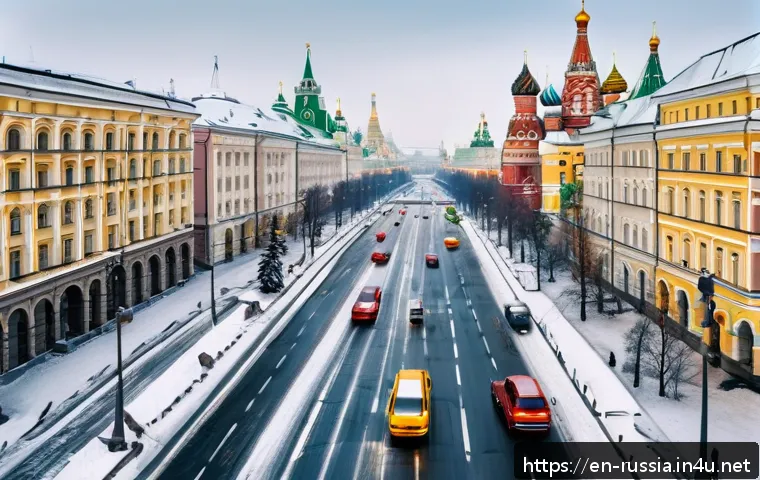
Moscow’s road network is a fascinating blend of its rich past and dynamic present. Unlike the straightforward grid systems you might be used to in Western cities, Moscow’s streets often curve and radiate from the Kremlin, reflecting centuries of organic growth rather than planned development.
This means that major roads tend to form concentric rings around the city center, with radial avenues connecting these circles. When I first navigated Moscow, I found it helpful to think of the city as layers of an onion—once you get the hang of moving from the outer rings inward, it becomes far less intimidating.
The busiest routes, like the Garden Ring and the Third Ring Road, are essential arteries that help you bypass the most congested areas during rush hour.
Knowing these can save you a lot of time, especially if you’re relying on taxis or driving yourself.
The Role of Street Names in Navigating St. Petersburg
St. Petersburg presents a different challenge. The city’s streets are famous for their historical names, often linked to Russian nobility, landmarks, or cultural icons.
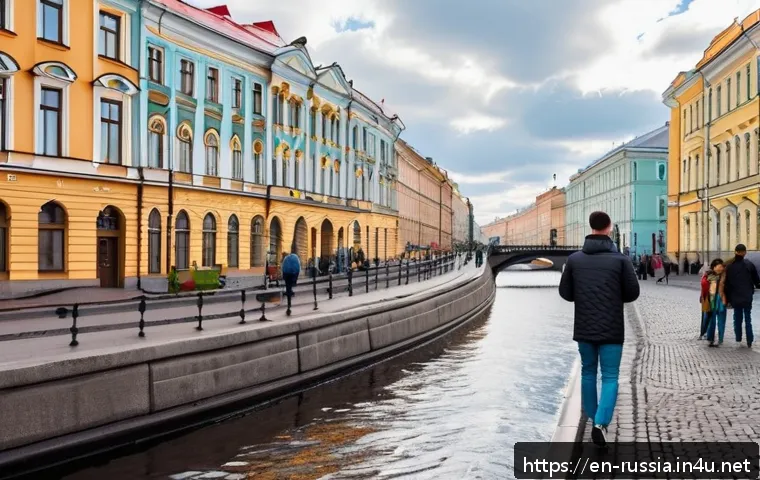
Unlike Moscow, St. Petersburg’s layout is more linear and canal-centric, with streets running parallel or perpendicular to the waterways. For instance, Nevsky Prospect is the main thoroughfare, and many smaller streets intersect it at right angles.
I remember wandering around without a map and quickly realizing that following the canals was the best way to stay oriented. The local street signs can sometimes be confusing for newcomers because they use Cyrillic script, so having a translation app or a GPS with Romanized names can be a lifesaver.
Also, locals tend to refer to places by well-known landmarks rather than street numbers, so knowing a few key spots can help you communicate better when asking for directions.
How Traffic Patterns Influence Your Route Choices
One thing that caught me by surprise was how traffic patterns in these cities change drastically depending on the time of day. Morning and evening rush hours are intense, with Moscow being notorious for gridlocks on main arteries.
To avoid frustration, I learned to plan trips either early in the morning or later in the evening. Public holidays and weekends, however, offer a completely different experience—roads become quieter, and exploring by car or bike feels more relaxed.
Public transport is also very efficient, but if you decide to rent a car, keep in mind that Russians drive assertively. Patience and caution are key, especially at intersections where right-of-way rules might not always be strictly followed.
Mastering the Art of Reading Russian Road Signs and Signals
Decoding Cyrillic for Essential Directions
One of the steepest learning curves for first-time visitors is understanding Cyrillic signage. While many major roads and important locations have signs in both Cyrillic and Latin alphabets, smaller street names often appear only in Cyrillic.
I found it incredibly useful to familiarize myself with the most common letters and sounds before my trip. Apps that can instantly translate text through your phone’s camera became my best travel companions.
For example, the letter “П” sounds like “P,” and “В” sounds like “V.” This little bit of knowledge helped me spot street names and navigate intersections without constantly relying on digital maps.
Recognizing Local Traffic Etiquette and Rules
Russian traffic rules share many similarities with European norms, but there are subtle differences worth noting. Pedestrians generally have the right of way at marked crosswalks, but cars can be quite aggressive, so it’s wise to make eye contact with drivers before stepping onto the road.
Yellow flashing lights at intersections signal that you should proceed with caution, a feature not commonly seen in other countries. Roundabouts are becoming more common but are still approached with a mix of caution and assertiveness from drivers.
One tip I picked up is that honking isn’t always a sign of road rage—it’s often used as a friendly warning, so don’t take it personally if you hear a few short beeps.
How Weather Impacts Driving Conditions Year-Round
Russia’s harsh winters bring unique challenges to road navigation. Snow and ice can make even familiar routes feel unpredictable, so if you’re traveling during colder months, prepare for slower travel times and possible detours.
Summer, on the other hand, offers longer daylight hours and clearer roads, but heavy rains can occasionally cause flooding in low-lying areas, especially in St.
Petersburg. I always recommend checking real-time weather updates and road conditions before heading out. Local radio stations and navigation apps provide timely alerts that can help you avoid trouble spots and plan alternate routes.
Choosing the Best Modes of Transportation for Urban Exploration
Combining Public Transit with Walking for Authentic Experiences
While renting a car gives you flexibility, I found that combining Moscow and St. Petersburg’s excellent public transportation systems with walking leads to the most rewarding experiences.
The Metro in both cities is not only efficient but also a cultural attraction in its own right, with stations featuring stunning architecture and artwork.
Walking lets you discover hidden cafés, small galleries, and street markets that are easy to miss when you’re zooming past in a vehicle. If you’re comfortable with apps, ride-hailing services like Yandex.Taxi offer an affordable and convenient way to cover short distances or late-night trips.
When to Opt for Car Rentals and What to Expect
Renting a car can be tempting if you want to explore beyond the city limits, such as the Golden Ring towns near Moscow or the scenic outskirts of St. Petersburg.
However, be prepared for strict paperwork requirements, including an International Driving Permit and comprehensive insurance. Driving in urban centers can be stressful due to traffic congestion and aggressive drivers, so I usually recommend renting a car only for day trips outside the core cities.
Parking is another consideration—many central areas have limited free parking, so look for paid lots or hotel parking options in advance.
Using Bicycles and Electric Scooters to Navigate Short Distances
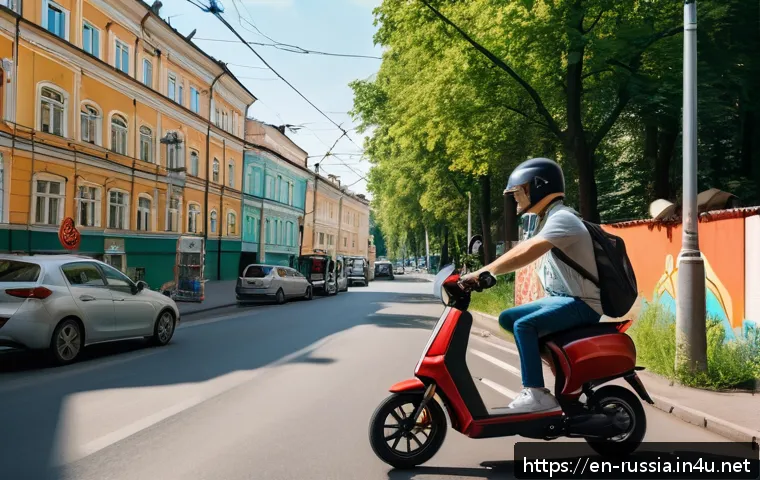
In recent years, both cities have embraced eco-friendly transportation, with bike lanes expanding and electric scooter rentals becoming widespread. I enjoyed hopping on a scooter to cross short distances or explore parks and river embankments.
Just remember to wear a helmet and be mindful of pedestrian zones. These options are perfect for sunny days and give you a fresh perspective on the urban landscape, often revealing charming details missed when traveling by car or bus.
Planning Routes with Local Insights for Maximum Efficiency
Leveraging Technology to Avoid Traffic Jams
Apps like Yandex.Maps and Google Maps are indispensable tools for anyone driving or navigating Russian cities. What I liked about Yandex.Maps is its real-time traffic updates tailored to local conditions, including sudden road closures or construction work.
It’s worth setting your app to Russian language mode temporarily to get the most accurate information. Also, don’t underestimate local advice—sometimes chatting with a taxi driver or hotel concierge can provide tips about shortcuts or quieter streets that technology might miss.
Understanding Peak Travel Times and How to Outsmart Them
Avoiding rush hour can transform your travel experience. In Moscow, mornings from 7:30 to 10 AM and evenings from 5 to 8 PM are notoriously congested.
St. Petersburg’s traffic peaks a bit later and is generally less intense, but still something to keep in mind. Weekends and public holidays, especially during the warmer months, offer much better driving conditions, so planning your major trips around these times can help you enjoy a stress-free journey.
How Local Events Influence Road Accessibility
Major events like the White Nights Festival in St. Petersburg or Victory Day parades in Moscow can lead to street closures and detours. I recall one evening when I had to reroute for over an hour because of a large public celebration near the city center.
It’s a good practice to check event calendars before your trip and ask locals or hotel staff about any planned disruptions. This way, you won’t get caught off guard and can even plan to witness these vibrant festivities without worrying about your transportation.
Essential Tips for Staying Safe and Comfortable on Russian Roads
What to Pack in Your Travel Kit for Road Trips
If you’re hitting the road in Russia, especially outside major cities, having a well-prepared travel kit is a must. I always carry a flashlight, a basic first-aid kit, a portable phone charger, and some snacks and water, just in case.
Roadside assistance services exist but can take time to arrive in remote areas. Having a physical map as a backup can also be surprisingly helpful when your phone battery dies or signal drops.
Dealing with Unexpected Situations on the Road
Breakdowns or minor accidents can happen, and knowing how to handle them calmly is key. Russian drivers often help each other, but language barriers may complicate communication.
Learning a few basic Russian phrases related to emergencies, or having a translation app ready, can ease the process. Also, make sure your rental or insurance paperwork is easily accessible, as police checks are common, especially in urban areas.
Maintaining Comfort During Long Drives
Long hours on the road can be tiring, so pacing yourself is important. I found that stopping frequently at local cafés or rest areas not only recharges your energy but also gives you a chance to soak in regional flavors and culture.
Staying hydrated and stretching regularly helped me stay alert, especially during winter trips when the cold can make you feel sluggish. Remember, a relaxed driver is a safer driver.
| Aspect | Moscow | St. Petersburg |
|---|---|---|
| Street Layout | Concentric rings with radial avenues | Linear grid with canals |
| Traffic Patterns | Heavy rush hour congestion | Moderate traffic, less intense peaks |
| Signage Language | Cyrillic with some Latin | Primarily Cyrillic |
| Public Transport | Extensive Metro and bus system | Efficient Metro and tram network |
| Parking Availability | Limited free parking, many paid lots | Similar to Moscow, central areas costly |
| Seasonal Driving Conditions | Harsh winters, icy roads | Wet summers, snowy winters |
| Popular Transportation Alternatives | Yandex.Taxi, bike-sharing | Electric scooters, bike rentals |
Embracing the Local Vibe Through Road Travel
Connecting with Locals and Their Travel Habits
One of the most memorable parts of driving through Russian cities was observing how locals interact with their environment. Whether it’s the casual way they stop for a quick chat at a roadside kiosk or the friendly honks exchanged between drivers, these small moments add warmth to your journey.
I noticed that Russians often have a relaxed attitude toward time when not in a rush, which can be refreshing if you’re willing to slow down and embrace the flow.
Discovering Hidden Gems Off the Beaten Path
Traveling by road opens up opportunities to explore places that are hard to reach by public transport. I stumbled upon charming neighborhoods, cozy cafés, and quiet parks simply by following less-traveled streets.
This freedom allows you to create a personalized itinerary beyond the usual tourist spots, making your Russian adventure uniquely yours.
Tips for Capturing Your Journey on the Go
Finally, don’t forget to document your travels. I found that having a good camera or even a smartphone with ample storage allowed me to capture stunning urban landscapes and candid street scenes.
Sharing these moments on social media not only kept friends updated but also helped me connect with fellow travelers who offered additional tips and recommendations.
Just be mindful of privacy and local customs when photographing people or certain locations.
In Conclusion
Exploring Russian cities by road offers a unique window into their vibrant history and modern rhythms. Understanding the layout, traffic patterns, and local customs can transform a potentially overwhelming experience into an enjoyable adventure. With a bit of preparation and openness to local nuances, navigating Moscow and St. Petersburg becomes not just easier but also more rewarding. Embrace the journey, and let the streets tell their stories.
Helpful Information to Remember
1. Familiarize yourself with Cyrillic letters before traveling to ease navigation through street signs and directions.
2. Use local apps like Yandex.Maps for real-time traffic updates and route planning tailored to Russian cities.
3. Plan your travels around peak traffic hours to avoid congestion, especially in Moscow.
4. Combine public transit and walking to experience the cultural richness and hidden gems of each city.
5. Prepare a travel kit including essentials like a flashlight, first-aid supplies, and a portable charger for safety and comfort on the road.
Key Takeaways for Smooth Travels
Knowing the distinctive street layouts and traffic behaviors of Moscow and St. Petersburg can greatly improve your navigation experience. Adapting to local driving etiquette and weather conditions is crucial for safety. Leveraging technology alongside local advice helps avoid delays and surprises. Lastly, balancing car rentals with public transit and active exploration ensures a richer, more flexible visit while minimizing stress.
Frequently Asked Questions (FAQ) 📖
Q: What are the most important street names to know when driving in Moscow and St. Petersburg?
A: In Moscow, key streets like Tverskaya Street, Garden Ring, and Kutuzovsky Prospekt are essential for navigating the city center and major districts. St.
Petersburg’s main arteries include Nevsky Prospect, Ligovsky Prospekt, and Moskovsky Prospekt. Familiarizing yourself with these routes helps you avoid getting lost and lets you plan your itinerary more efficiently, especially during peak traffic hours.
Q: Are there any unique driving customs or road rules in Russia that first-time visitors should be aware of?
A: Yes, Russian driving culture has some distinct characteristics. For example, it’s common for drivers to be assertive but generally respectful of traffic laws.
Using headlights during the day is mandatory outside city limits, and right turns on red are prohibited unless explicitly allowed by signage. Also, be prepared for occasional roadworks and uneven surfaces, especially outside urban centers.
Always carry your documents and keep an eye out for pedestrians, who often cross streets unpredictably.
Q: How can I best prepare for traffic congestion in Russian cities?
A: Traffic jams are frequent in major cities like Moscow and St. Petersburg, especially during rush hours (8-10 AM and 5-7 PM). Planning your trips outside these times can save you a lot of frustration.
Using navigation apps with real-time traffic updates is a lifesaver, as they suggest alternative routes on the fly. Additionally, consider using public transport or taxis for certain parts of your journey to avoid parking hassles and heavy congestion in the city center.