Exploring the world of Russian beverages offers a fascinating glimpse into a rich cultural tapestry that combines tradition with unique flavors. From hearty kvass to refreshing mors, these drinks tell stories of history and local ingredients that have been cherished for generations.
Whether you’re curious about alcoholic or non-alcoholic options, Russia’s drink scene has something intriguing for every palate. Sampling these beverages can be a delightful way to experience the country’s heritage beyond its well-known cuisine.
Let’s dive deeper and uncover the best Russian drinks that you absolutely must try. Get ready—I’m about to guide you through the fascinating flavors waiting to be discovered!
Traditional Fermented Delights: The Heart of Russian Refreshments
Kvass: The Quintessential Russian Brew
Kvass is one of those rare beverages that perfectly blends history, culture, and a uniquely refreshing taste. Traditionally made by fermenting rye bread, kvass carries a slightly tangy and mildly sweet flavor profile that feels both familiar and exotic to newcomers.
When I first tried kvass, I was surprised by its effervescent quality and subtle complexity—not quite like soda, yet wonderfully fizzy. It’s low in alcohol, typically under 1%, making it a popular drink for all ages across Russia, especially during the hot summer months.
The homemade versions often include added ingredients like raisins, mint, or berries, which can elevate its flavor even more. Sampling kvass in a local market or from a street vendor feels like a direct connection to centuries-old Russian traditions.
Mors: The Fruity Classic
Mors is a non-alcoholic beverage made primarily from berries such as cranberries, lingonberries, or blackcurrants, sweetened with sugar or honey. It’s a staple in Russian households and is prized for its vibrant color and health benefits.
What I find most charming about mors is its balance between tartness and sweetness, which makes it incredibly thirst-quenching. It’s often served chilled and pairs beautifully with hearty Russian meals.
Beyond just a refreshing drink, mors is believed to have antioxidant properties, making it a favored choice in winter to boost immunity. Many Russian families keep a batch ready in their fridge, ready to offer guests a taste of homegrown goodness.
Russian Mead: A Honeyed Tradition
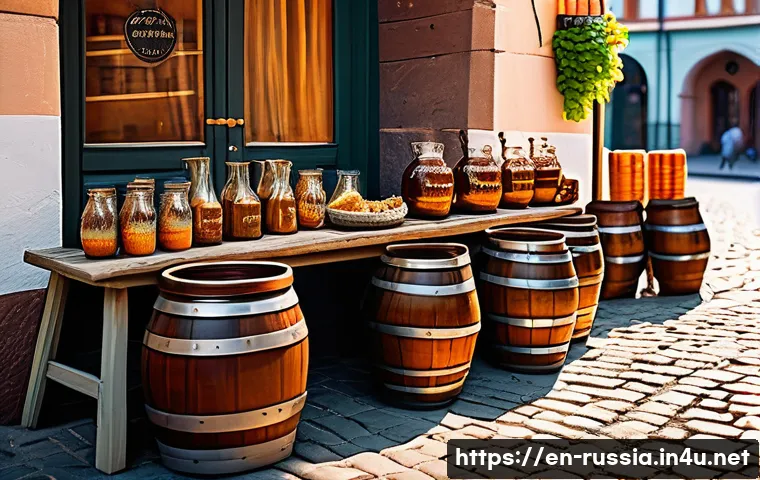
Mead, or “medovukha,” has a long-standing place in Russian beverage culture, often overshadowed by vodka but no less significant. Made by fermenting honey with water and sometimes adding spices or fruits, mead offers a smooth, sweet, and warming profile.
When I sampled medovukha at a traditional Russian festival, the rich honey aroma combined with the subtle spice notes was unforgettable. Unlike some stronger alcoholic drinks, medovukha feels cozy and approachable.
It’s typically consumed during celebrations and holidays, connecting drinkers to an age-old Slavic ritual. The artisanal varieties available today often experiment with different types of honey and fermentation times, providing a diverse tasting experience.
Exploring Iconic Russian Spirits and Liqueurs
Vodka: The World-Famous Russian Spirit
No discussion about Russian beverages would be complete without vodka. While it’s known globally, the Russian approach to vodka is both an art and a ritual.
Russian vodka is prized for its purity and smoothness, often distilled multiple times using traditional methods. I’ve noticed that authentic Russian vodka tends to be less harsh than many mass-market brands, emphasizing a clean, crisp finish.
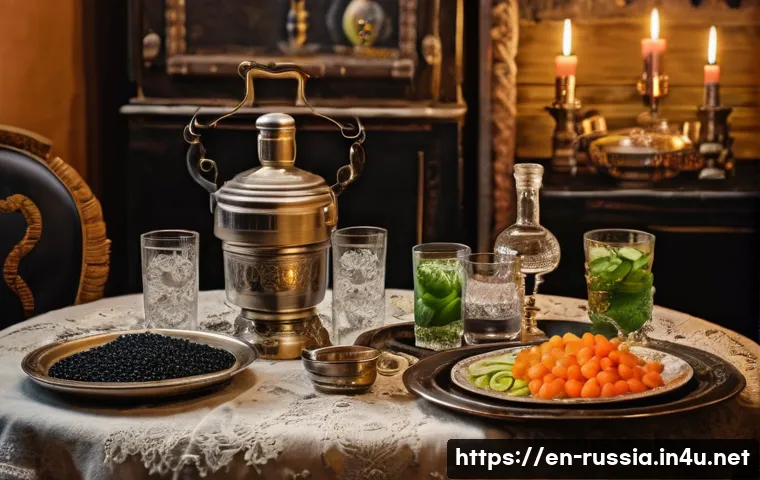
It’s traditionally served chilled, sometimes accompanied by pickled vegetables or caviar to balance the intensity. Vodka also plays a social role, fostering camaraderie during gatherings, and many Russians treat it with a level of reverence that speaks to its cultural importance.
Samogon: The Spirit of Russian Home Brewing
Samogon is a homemade distilled spirit, often compared to moonshine. While technically illegal in some places, it remains a beloved part of Russian heritage, especially in rural areas.
The homemade aspect means samogon varies widely in taste and strength, from smooth and fruity to sharp and fiery. I had a chance to try samogon at a countryside celebration, and the experience was unforgettable—it felt like tasting the spirit of the land itself.
Though it’s not as widely commercialized, samogon embodies the DIY ethos and resourcefulness deeply rooted in Russian culture.
Russian Herbal Liqueurs
Beyond vodka and samogon, Russia offers a range of herbal liqueurs infused with local botanicals. These drinks often combine medicinal herbs, roots, and berries, creating complex flavor profiles that are both therapeutic and delicious.
Personally, I find these liqueurs fascinating because they reflect a deep knowledge of nature’s healing properties passed down through generations. They’re usually consumed in small quantities as digestifs or enjoyed warm during cold seasons to soothe the body and mind.
Non-Alcoholic Refreshers with a Russian Twist
Kompot: The Sweet Stewed Fruit Drink
Kompot is essentially a homemade fruit stew drink, boiled with a mixture of fresh or dried fruits like apples, cherries, or apricots. It’s served chilled or warm and is a nostalgic staple in many Russian homes.
The first time I drank kompot, it reminded me of a warm hug—comforting, sweet, and naturally fruity without any artificial additives. It’s perfect for families, especially kids, and serves as a wholesome alternative to sugary sodas.
The taste varies by season and region, making each batch unique.
Tarhun: The Vibrant Tarragon Soda
Tarhun is a bright green carbonated drink flavored with tarragon herb. Its distinct taste is slightly sweet, with a refreshing anise-like aftertaste. If you’ve never tried it, imagine a soda with a surprising herbal twist that’s both invigorating and unusual.
When I first encountered tarhun, it was at a Russian café, and its vibrant color immediately caught my eye. It’s a popular soft drink, especially in summer, and offers a refreshing break from conventional flavors.
Tea Culture in Russia
Tea holds a revered place in Russian culture, often enjoyed in large samovars during social gatherings. Russian black teas are typically strong and robust, sometimes served with lemon, jam, or honey.
I’ve found that the ritual of drinking tea in Russia is more than just quenching thirst—it’s about slowing down, connecting with others, and savoring the moment.
Tea houses and street vendors offer a variety of blends, many with hints of herbs or dried fruits, making each cup a cozy experience.
Seasonal and Regional Specialties Worth Seeking Out
Sbitten: The Spiced Winter Warmer
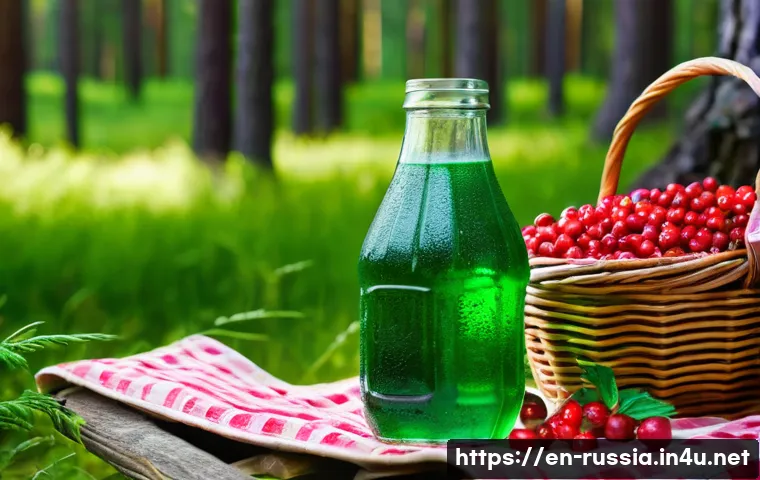
Sbitten is a traditional hot beverage made from honey, spices, and herbs, often enjoyed during cold Russian winters. It’s akin to mulled wine but without alcohol, warming you up from the inside out.
I first tried sbitten at a winter market, and the rich, spicy aroma instantly lifted my spirits on a chilly day. Cinnamon, cloves, and ginger are common ingredients, creating a festive and comforting drink that’s perfect for holiday celebrations.
Medovukha Variations Across Russia
While medovukha is enjoyed nationwide, different regions add their own twists by incorporating local honey varieties or additional flavorings like berries and herbs.
Sampling these regional versions is like taking a liquid tour of Russia’s diverse landscapes. Personally, I enjoyed a forest honey medovukha in Siberia that had an earthy sweetness unlike anything else I’ve tasted.
This regional diversity highlights the creativity and pride Russians have in their traditional drinks.
Berry Infusions from the Russian North
The northern parts of Russia are famous for wild berries, and locals often create homemade infusions and syrups from lingonberries, cloudberries, and cranberries.
These drinks are not only flavorful but also packed with vitamins, reflecting the practical use of nature’s gifts. When I visited the Russian North, I was amazed by how these simple berries were transformed into vibrant, tangy beverages that balance sweetness with a hint of tartness.
They’re often enjoyed during summer but stored for winter consumption as well.
Understanding the Ingredients Behind Russian Drinks
Grains and Fermentation Techniques
Russian fermented drinks like kvass rely heavily on rye and wheat grains, which are carefully fermented to create distinct flavors. The fermentation process is both an art and a science—often passed down through generations.
I’ve observed that the quality of bread and grains directly impacts the taste and fizz of kvass, emphasizing the importance of local ingredients. Traditional methods use natural yeast and long fermentation times, which make these drinks more complex and satisfying compared to mass-produced alternatives.
Berry Varieties and Their Roles
Berries such as cranberries, lingonberries, and blackcurrants are staples in many Russian beverages. Their natural tartness and deep flavors provide a refreshing contrast to sweeteners like honey or sugar.
From a nutritional standpoint, these berries are rich in antioxidants and vitamins, which is why their use in drinks is both delicious and health-conscious.
When I experimented with making mors at home, I learned how adjusting the berry-to-sugar ratio could dramatically change the drink’s balance and brightness.
Honey as a Sweetener and Flavor Enhancer
Honey isn’t just a sweetener in Russian drinks—it’s a key flavor component that adds depth and warmth. Medovukha and sbitten showcase honey’s versatility, while even kvass sometimes benefits from a touch of honey to smooth out acidity.
My experience with honey in Russian drinks revealed how different types of honey—from floral to forest varieties—can completely alter the beverage’s character.
This ingredient truly ties the drinks to Russia’s natural landscape and beekeeping traditions.
Popular Russian Drinks Compared: A Handy Guide
| Drink | Alcohol Content | Main Ingredients | Typical Flavor | Best Served |
|---|---|---|---|---|
| Kvass | 0.5% – 1% | Rye bread, water, yeast | Lightly sour, slightly sweet, fizzy | Cold, summer |
| Mors | Non-alcoholic | Berries (cranberry, lingonberry), sugar/honey | Tart, sweet, fruity | Cold, all year |
| Medovukha | 8% – 14% | Honey, water, yeast, spices | Sweet, honeyed, smooth | Room temperature or warm, winter/celebrations |
| Vodka | 40%+ | Grain or potato | Neutral, clean, sharp | Chilled, with food |
| Samogon | Varies, often 40%+ | Various fermentable materials | Varies, often strong and raw | Room temperature, informal |
| Tarhun | Non-alcoholic | Tarragon, sugar, carbonated water | Sweet, herbal, anise-like | Cold, summer |
Closing Thoughts
Exploring Russian beverages reveals a rich tapestry of tradition, flavor, and culture that goes beyond the usual stereotypes. From the fizzy charm of kvass to the warming embrace of medovukha, each drink tells its own story. Whether you’re seeking a refreshing non-alcoholic option or a spirited celebration, Russian drinks offer something truly unique. Sampling these beverages is like tasting history itself, connecting you to the heart of Russian life and heritage.
Useful Information to Keep in Mind
1. Many traditional Russian drinks are low in alcohol or non-alcoholic, making them accessible and enjoyable for a wide audience.
2. Fermentation plays a key role in creating the distinct flavors and health benefits found in beverages like kvass and mors.
3. Regional variations add a fascinating layer of diversity, reflecting local ingredients and customs across Russia.
4. Honey is not only a natural sweetener but also a vital flavor enhancer that ties many drinks to Russia’s natural landscape.
5. Russian tea culture emphasizes connection and relaxation, offering a cozy complement to more spirited beverages.
Key Takeaways
Understanding Russian drinks means appreciating their deep roots in tradition, natural ingredients, and community rituals. Whether it’s the carefully fermented kvass, the honey-sweet medovukha, or the herbal complexity of local liqueurs, each beverage invites you to experience Russia’s cultural richness firsthand. Remember, the best way to truly enjoy these drinks is to savor them with friends or family, embracing the social spirit they embody.
Frequently Asked Questions (FAQ) 📖
Q: What is kvass, and why is it so popular in Russia?
A: Kvass is a traditional Russian fermented beverage made from rye bread, giving it a mildly sour and slightly sweet flavor. It’s incredibly popular because it’s refreshing, low in alcohol (usually less than 1%), and packed with probiotics, making it a healthy choice during hot summers.
I tried kvass during a trip to Moscow, and its unique taste really stood out compared to typical sodas. It’s deeply rooted in Russian culture, often enjoyed by people of all ages as a daily drink or alongside meals.
Q: Are there any traditional Russian non-alcoholic drinks worth trying?
A: Absolutely! Besides kvass, mors is another classic non-alcoholic option. It’s a berry-based drink, often made from cranberries or lingonberries, mixed with water and sugar.
The tangy, slightly sweet flavor is both refreshing and packed with antioxidants. I remember sipping mors in a cozy café in St. Petersburg, and it was the perfect balance of tartness and sweetness, making it a delightful alternative to sugary soft drinks.
These beverages offer a genuine taste of Russian heritage without any alcohol.
Q: What alcoholic drinks should I try to experience authentic Russian flavors?
A: Vodka is the obvious choice, but don’t miss out on Russian mead (medovukha) and samogon, a type of homemade spirit similar to moonshine. Mead offers a sweet, honey-flavored profile that’s different from the neutral taste of vodka, and samogon provides a more rustic, bold experience.
When I visited a local distillery, tasting these drinks felt like stepping back into centuries-old traditions. Pairing them with traditional dishes enhances the cultural immersion, making the experience unforgettable.