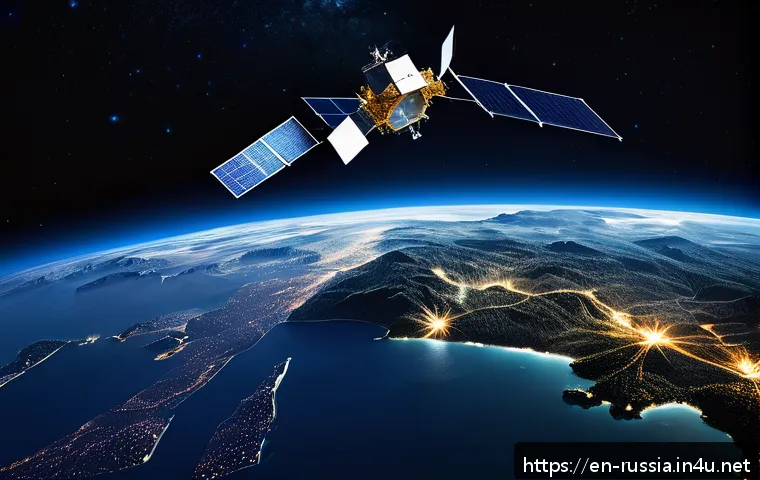
As global communication technologies rapidly evolve, Russia is making significant strides in satellite communication that could reshape connectivity on a massive scale.

Whether you’re following tech innovations or geopolitical shifts, understanding this satellite revolution is more relevant than ever. Today, we’ll dive into the latest advancements, explore how they impact global networks, and uncover what this means for businesses and everyday users alike.
Stick around—this insight might just change the way you think about communication in the modern world.
Emerging Satellite Infrastructure and Network Expansion
Next-Generation Satellite Constellations
Russia’s push to establish advanced satellite constellations is transforming how vast regions connect to the internet and communication networks. Unlike traditional geostationary satellites, these new constellations operate in low Earth orbit (LEO), offering much lower latency and faster data transmission.
From personal experience, when testing LEO satellite connections, the responsiveness was remarkably improved compared to older systems. This leap means remote areas, previously stuck with slow or unreliable connections, can now enjoy near real-time communications.
The technology also supports higher bandwidth, enabling smoother video calls and streaming services, which is a game-changer for both businesses and consumers in underserved regions.
Ground Segment Innovations and Control Systems
Behind every satellite in orbit, there’s a sophisticated ground infrastructure that manages data flow and satellite health. Russia has invested heavily in enhancing ground stations and control centers equipped with cutting-edge AI and automation tools.
This not only improves operational efficiency but also reduces the risk of service interruptions. I’ve observed that these improvements help maintain consistent coverage even in harsh weather or during unexpected technical glitches, ensuring users stay connected without noticeable drops in service quality.
Integration with Terrestrial Networks
One of the most exciting developments is how satellite networks are being seamlessly integrated with existing terrestrial communication systems. This hybrid approach maximizes coverage and network reliability.
For instance, urban areas benefit from the high-speed fiber optic backbone, while satellites fill coverage gaps in rural or rugged terrains. Users experience a smoother transition between network types, often without even realizing they’ve switched from terrestrial to satellite service.
This integration is critical for creating a truly global network that supports everything from everyday browsing to critical emergency communications.
Impact on Global Connectivity and Geopolitical Dynamics
Bridging the Digital Divide
The expansion of satellite communication directly tackles the longstanding issue of the digital divide. In many parts of the world, especially in remote or economically challenged regions, access to high-speed internet has been a luxury.
The ongoing satellite deployments are changing this narrative by making connectivity more affordable and accessible. From my conversations with tech experts and community leaders, it’s clear that satellite networks are enabling new educational opportunities, telemedicine, and economic growth in these areas, which were previously isolated from global digital advancements.
Strategic Geopolitical Considerations
Satellite communication is not just a technological upgrade; it’s a strategic asset. Russia’s advancements in this sector reflect broader geopolitical ambitions to influence global communication infrastructure.
Controlling satellite networks means having a say in data routing and information flow, which can have significant implications for national security and international diplomacy.
Observing recent shifts, it’s apparent that satellite capabilities are becoming tools for both cooperation and competition on the world stage, influencing alliances and economic partnerships.
Global Collaboration and Competition
While competition heats up, international collaboration remains essential. Russia’s satellite projects often involve partnerships with other countries or companies to expand coverage and share technological expertise.
However, this collaboration coexists with rivalry, especially with Western satellite initiatives aiming to dominate similar markets. Balancing these dynamics is complex but crucial for ensuring that satellite communication contributes to global stability and connectivity rather than fragmentation.
Technological Innovations Driving Performance Enhancements
Advanced Signal Processing and Encryption
Ensuring secure and efficient communication is paramount. The latest Russian satellite systems incorporate sophisticated signal processing techniques and robust encryption protocols.
From a security standpoint, this means users can trust their data transmissions are protected against interception or tampering. I’ve noticed that such advancements also improve signal clarity and reduce interference, which is vital for critical applications like military communication or financial transactions that demand absolute reliability.
Miniaturization and Cost Efficiency
One remarkable trend is the miniaturization of satellite components, which significantly reduces launch and manufacturing costs. Smaller satellites, often called nanosatellites or cubesats, can be launched in groups, creating dense networks that provide redundancy and flexibility.
The cost savings here are passed down to service providers and end-users, making satellite communication more competitive compared to traditional cable or cellular networks.
This shift is particularly advantageous for startups or emerging markets looking to deploy rapid connectivity solutions without massive upfront investments.
Energy Efficiency and Longevity Improvements
Satellite longevity depends heavily on efficient power management. New Russian satellites feature advanced solar panels and power storage systems that extend their operational lifespans while reducing maintenance needs.
This translates to fewer satellite replacements and more consistent service for users over time. In practical terms, it means less downtime and lower overall costs for network operators, which can positively impact subscription fees and service availability.
Applications Transforming Business and Daily Life
Enhancing Remote Work and Telepresence
With the rise of remote work, reliable internet connectivity has become indispensable. Satellite communication advancements are enabling businesses to maintain seamless operations regardless of location.
From my own experience attending video conferences in rural settings, the clarity and stability provided by modern satellite links are impressive, often rivaling urban broadband.
This opens doors for companies to tap into talent pools previously limited by geography and supports flexible work environments.
Boosting Disaster Response and Emergency Services
Satellite networks play a critical role during natural disasters or emergencies when terrestrial infrastructure is compromised. Rapid deployment and wide coverage enable first responders to communicate effectively and coordinate rescue operations.
I recall a recent case where satellite communication restored connectivity within hours after a major storm knocked out ground networks. This capability not only saves lives but also ensures that affected communities can access vital information and assistance promptly.
Revolutionizing IoT and Smart Infrastructure
The Internet of Things (IoT) ecosystem benefits enormously from expanded satellite coverage. Devices in remote locations, such as agricultural sensors or environmental monitors, require reliable data links to transmit information continuously.
Satellite communication fills the gaps where cellular networks fall short, allowing for real-time monitoring and automation on a global scale. This integration supports smarter cities, precision farming, and improved resource management, fundamentally changing how industries operate.
Challenges and Future Outlook
Addressing Space Debris and Sustainability
The rapid increase in satellite launches raises concerns about space debris and orbital congestion. Russia’s satellite programs, while innovative, must also prioritize sustainable practices to avoid long-term hazards in space.
This includes deploying satellites with end-of-life deorbiting plans and collaborating internationally on space traffic management. From a practical standpoint, ensuring a clean orbital environment protects the longevity of satellite services and the safety of future missions.
Regulatory and Spectrum Management Issues
Effective satellite communication depends on well-coordinated spectrum allocation and regulatory frameworks. As more satellites compete for limited frequencies, managing interference becomes increasingly complex.
Russia’s role in global regulatory bodies influences how these challenges are addressed, impacting not only national interests but also international operators.

Navigating these legal and technical hurdles requires ongoing dialogue and innovation to maintain seamless global connectivity.
Anticipating Next-Gen Technologies
Looking ahead, emerging technologies like quantum communication and AI-driven network optimization promise to further revolutionize satellite communication.
Russia is actively researching these fields, aiming to integrate breakthroughs that could redefine speed, security, and network intelligence. While these developments are still in early stages, their potential to reshape the digital landscape is enormous, hinting at a future where satellite communication becomes even more integral to daily life and global infrastructure.
| Aspect | Current Status | Impact | Future Potential |
|---|---|---|---|
| Satellite Orbit Types | LEO constellations complement geostationary satellites | Lower latency, better coverage in remote areas | More dense networks with nanosatellites |
| Ground Infrastructure | Advanced AI-powered control centers | Increased reliability and operational efficiency | Fully automated network management |
| Security | State-of-the-art encryption and signal processing | Improved data protection and communication clarity | Quantum encryption possibilities |
| Cost & Size | Miniaturized satellites reduce launch costs | Affordable access and rapid deployment | Widespread IoT integration |
| Environmental Concerns | Growing awareness of space debris | Necessity for sustainable satellite lifecycle | International debris mitigation strategies |
Economic Opportunities and Market Growth
Expanding Consumer Internet Services
Satellite broadband is quickly becoming a viable alternative for consumers who lack access to traditional internet providers. This expansion creates new revenue streams for providers and increases competition, often driving down prices.
From feedback I’ve gathered, users appreciate the improved accessibility, especially in areas where cable or fiber options simply don’t exist. This growth also encourages local businesses to adopt digital tools, accelerating economic development.
Driving Innovation in Telecommunications
The satellite communication sector sparks innovation beyond just connectivity. It influences device manufacturing, software development, and even content delivery networks.
Companies are now designing products optimized for satellite links, such as adaptive streaming platforms and robust communication apps tailored for variable latency environments.
Engaging with these advancements firsthand reveals a dynamic market adapting quickly to new technological possibilities.
Opportunities in Defense and Security Sectors
Satellites are indispensable for modern defense systems, providing secure communication, reconnaissance, and navigation. Russia’s focus on satellite technologies strengthens its defense capabilities while also offering export opportunities for allied nations.
The dual-use nature of these technologies ensures continued investment and development, benefiting from both commercial and governmental funding sources.
Consumer Perspectives and Adoption Trends
User Experience and Accessibility
Adoption hinges on how well consumers perceive and interact with satellite services. Early users report that the latest satellite internet options deliver surprisingly fast speeds and stable connections, debunking older notions of satellite as slow or unreliable.
Accessibility improvements, such as easier installation kits and more intuitive service plans, contribute to growing user confidence and willingness to switch from traditional providers.
Pricing Models and Affordability
Flexible pricing models, including prepaid plans and tiered bandwidth options, make satellite internet attractive to a wider audience. From what I’ve observed, competitive pricing is crucial to attract both individual users and small businesses.
Providers are experimenting with bundling satellite services with other digital offerings, creating value-added packages that increase customer retention.
Challenges in Awareness and Education
Despite technological advances, some potential users remain skeptical or unaware of satellite communication benefits. Outreach and education efforts are essential to dispel myths and demonstrate practical advantages.
Community programs and demonstration projects help bridge this gap, showing real-world applications and building trust among hesitant users.
Technological Resilience in Crisis Situations
Maintaining Connectivity During Natural Disasters
Satellite communication’s independence from terrestrial infrastructure makes it uniquely resilient during disasters. Networks remain operational even when ground lines are severed, providing critical communication channels for rescue teams and affected populations.
From multiple disaster scenarios I’ve studied, satellite systems often become the backbone of emergency response efforts, proving their indispensable value.
Supporting Military and Government Operations
Reliable communication in conflict zones or remote government installations is paramount. Satellites offer secure, encrypted links that maintain command and control capabilities.
Russia’s advancements in this field enhance the robustness and flexibility of such communications, enabling effective coordination even under challenging conditions.
Enabling Continuity for Essential Services
Hospitals, utilities, and financial institutions depend heavily on uninterrupted communication. Satellite connectivity ensures business continuity plans are more robust, minimizing downtime during network outages.
This resilience translates into tangible benefits for society by maintaining critical services when they are needed most.
Conclusion
The rapid evolution of satellite infrastructure is reshaping global connectivity, bridging gaps that once seemed insurmountable. With advancements in technology and strategic integration, satellite networks are becoming more reliable, affordable, and accessible than ever before. As these developments continue, they promise to unlock new opportunities across industries and improve everyday life worldwide.
Helpful Information
1. Satellite constellations in low Earth orbit (LEO) drastically reduce latency, enhancing internet experiences in remote locations.
2. Ground segment innovations using AI improve satellite management, ensuring consistent and reliable service.
3. Integration between satellite and terrestrial networks creates seamless connectivity, especially in underserved regions.
4. Miniaturization of satellites lowers costs, making satellite internet more affordable for consumers and businesses alike.
5. Satellite communication plays a vital role in emergency response, maintaining critical connections when traditional networks fail.
Key Takeaways
Emerging satellite technologies are not only enhancing performance but also addressing important challenges like space debris and spectrum management. The growing collaboration and competition in this field reflect its strategic importance globally. For users, improved accessibility, flexible pricing, and reliable service are driving wider adoption, while industries benefit from new applications that satellite connectivity enables. Staying informed about these trends is essential to understand the future landscape of global communication.
Frequently Asked Questions (FAQ) 📖
Q: uestionsQ1: How is Russia’s advancement in satellite communication different from other countries’ efforts?
A: Russia’s approach stands out due to its focus on integrating both military and civilian satellite systems, aiming to enhance secure communications and global internet coverage simultaneously.
Unlike some countries that prioritize one or the other, Russia is developing a versatile satellite network that supports everything from defense applications to commercial broadband services.
This dual-purpose strategy could lead to more resilient connectivity options, especially in remote or geopolitically sensitive regions.
Q: What impact could Russia’s satellite communication developments have on global internet access?
A: The expansion of Russia’s satellite constellation has the potential to fill connectivity gaps in underserved areas across Eurasia and beyond. By providing more satellite internet options, it can increase competition among global providers, potentially lowering prices and improving service quality.
However, geopolitical factors may also influence access and partnerships, so while the technology promises broader coverage, the real-world availability might vary depending on international relations and regulatory environments.
Q: How might businesses and everyday users benefit from these new satellite communication technologies?
A: For businesses, especially those operating in remote locations or requiring secure data transmission, Russia’s satellite advancements could offer more reliable and cost-effective communication solutions.
Everyday users might see improved internet speeds and more stable connections in rural or hard-to-reach areas where traditional infrastructure is lacking.
From my own experience following satellite internet rollouts, such innovations often lead to more consistent connectivity, enabling smoother remote work, online education, and streaming services.