With recent global shifts sparking curiosity about life beyond familiar borders, exploring everyday realities in Russia has never been more intriguing.
As someone who’s navigated the highs and lows of living there firsthand, I’m excited to share genuine insights that go beyond headlines and stereotypes.
Whether you’re contemplating a move or simply fascinated by different cultures, this journey reveals the unexpected challenges and rewards of expat life in Russia.
Stick around for stories that capture the essence of daily life, local customs, and practical tips you won’t find in typical travel guides. Let’s dive into an authentic experience that might just change the way you see this vast and complex country.
Unraveling the Rhythm of Daily Life in Russian Cities
The Morning Commute: A Lesson in Patience and Observation
Living in Russia, especially in bustling cities like Moscow or St. Petersburg, the daily commute quickly becomes a fascinating routine rather than just a mundane task.
I found myself waking up earlier than back home, not because I wanted to, but because navigating the metro or traffic jams required a bit of strategic planning.
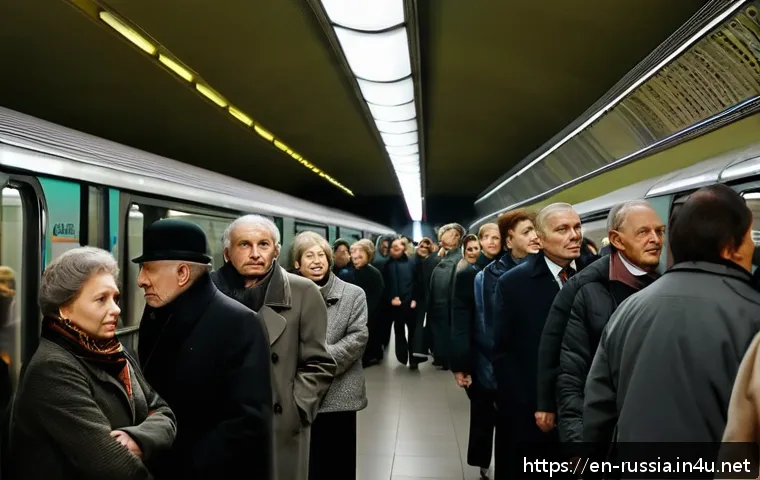
The metro system, while impressively efficient, is packed during rush hours, and observing the crowd’s subtle social codes — like letting older people board first or the silent, almost ritualistic queuing — offers a unique window into local culture.
It’s a blend of order amid chaos, and over time, I grew to appreciate the quiet patience and resilience embedded in these daily interactions.
Grocery Shopping: Beyond the Aisles
Supermarkets in Russia are not just about grabbing what you need; they are a cultural experience. Unlike the sprawling hypermarkets common in many Western countries, many stores are smaller, with a strong emphasis on local products.
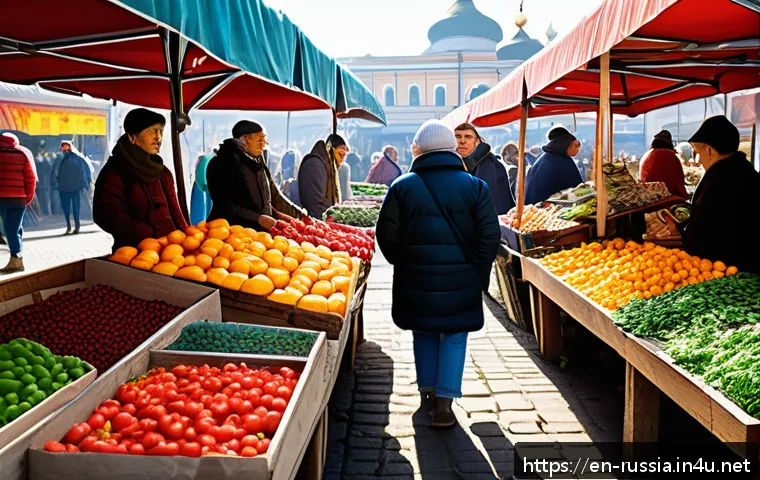
I quickly learned to read Cyrillic labels and discovered how seasonal produce shapes daily meals. Markets, especially the open-air ones, are vibrant hubs where bargaining is more than a skill—it’s a social ritual.
My first awkward attempts to haggle soon turned into lively exchanges, and those moments connected me to the community in ways that no guidebook could capture.
Evening Rituals and Social Life
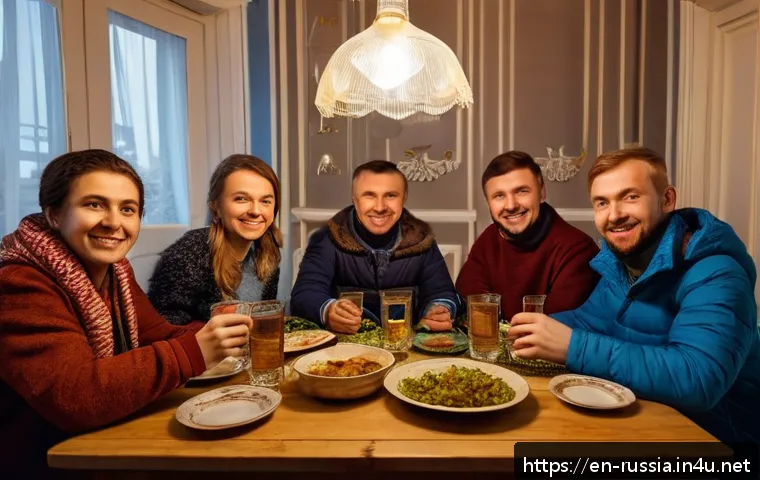
Evenings in Russia often mean gathering with friends or family over a meal, sometimes stretching late into the night. I was surprised by the warmth and depth of these gatherings, which often feature traditional foods and drinks.
Sharing a bottle of vodka or sampling homemade preserves creates an atmosphere of genuine connection. What stood out was how these moments are less about speed and more about savoring relationships, reflecting a slower, more intentional approach to life that contrasted sharply with my previous fast-paced experiences abroad.
Decoding Russian Hospitality and Social Norms
Invitations and What They Really Mean
One of the trickiest parts of integrating into Russian social life was understanding the nuances behind invitations. Unlike casual meetups I was used to, an invitation here often carries a deeper meaning and commitment.
I learned not to take these offers lightly; showing up late or unannounced could be seen as disrespectful. The level of formality varies, but what remains constant is the importance of reciprocation.
If you’re invited for dinner, it’s customary to bring a gift—flowers, sweets, or a bottle of wine—and to return the favor promptly, which can initially feel like navigating a delicate dance.
Communication Styles: Direct Yet Polite
Russian communication can come across as blunt, but it’s usually rooted in honesty rather than rudeness. When I first encountered this straightforwardness, it caught me off guard, especially compared to the more indirect styles I was accustomed to.
Over time, I realized that beneath the direct words lies a deep respect, and the absence of small talk in many situations actually leads to more meaningful conversations.
This clarity often helps in both professional and personal settings, even if it takes some adjustment to embrace.
Understanding Personal Space and Boundaries
Physical and social boundaries in Russia can be quite different from what many expats expect. For instance, standing close during conversations or not stepping back on a crowded metro isn’t considered intrusive but normal.
At the same time, topics like politics or personal income are usually off-limits unless you have a close relationship. I found that tuning into these unspoken rules helped me avoid awkward moments and foster genuine connections with locals.
Navigating Daily Essentials: Services and Infrastructure
Healthcare and Pharmacies: What to Expect
Accessing healthcare in Russia varies widely depending on location, but in major cities, the system is surprisingly modern in many respects. I experienced both public clinics and private hospitals, and while public services can be bureaucratic, private options offer a more comfortable experience, albeit at a higher cost.
Pharmacies are abundant, and pharmacists often provide helpful advice, which was a relief when I struggled with language barriers. Having health insurance and learning a few key medical phrases became essential parts of my routine.
Banking and Mobile Services
Setting up banking and mobile phone services was a steep learning curve. Opening a bank account required patience and multiple visits due to paperwork and identification requirements.
However, once established, online banking apps were quite user-friendly. Mobile plans are affordable but often come with data limits that surprised me initially.
I recommend comparing providers carefully and considering plans that include international calls if you want to stay connected with family abroad.
Public Transport and Taxis: Getting Around Efficiently
Public transport is the lifeline of Russian cities, with metros, buses, and trams covering extensive routes. I quickly discovered that having a reusable transport card saved both time and money.
Taxi services, including apps like Yandex.Taxi, are reliable and affordable but require attention to safety tips, such as sharing your ride details with friends.
Understanding peak hours and local traffic patterns helped me avoid frustration and made daily travel smoother.
Embracing Russian Cuisine: More Than Just Borscht
Discovering Local Flavors and Dishes
Russian cuisine is rich and hearty, often misunderstood beyond the stereotypical dishes like borscht or blini. My taste buds were introduced to an array of flavors—from the smoky notes of shashlik (grilled meat skewers) to the delicate fillings of pelmeni (dumplings).
Seasonal ingredients play a significant role, with mushrooms, berries, and fresh herbs appearing in many traditional recipes. Dining out ranged from cozy family-run cafes to upscale restaurants, each offering a different window into the culinary culture.
Shopping for Ingredients: Markets vs Supermarkets
For anyone keen to cook at home, exploring local markets was both an adventure and a necessity. Unlike supermarkets, markets offer fresher produce and the chance to interact directly with vendors.
I found that prices were often better, and the quality superior, especially for fruits, vegetables, and dairy. Learning the Russian names for common ingredients was a fun challenge that made shopping less intimidating over time.
Eating Etiquette and Social Dining
Meals in Russia are social events, and understanding dining etiquette was crucial to feeling at ease. For example, toasting is a big deal, often happening multiple times during a meal, and it’s considered polite to maintain eye contact during a toast.
Refusing an offer to drink or eat can sometimes be taken personally, so I learned to accept at least a small taste. These customs made meals more engaging and helped me bond with locals beyond mere conversation.
Weathering the Seasons: Coping with Russia’s Climate
Preparing for the Harsh Winters
Winter in Russia is not just cold; it’s a full sensory experience. I remember the first time stepping outside in subzero temperatures, feeling the crisp air and the crunch of snow underfoot.
Dressing in layers became an art form, and investing in quality winter gear was non-negotiable. Public spaces and transport are well-equipped for the cold, but the shorter daylight hours and biting winds required a mental adjustment.
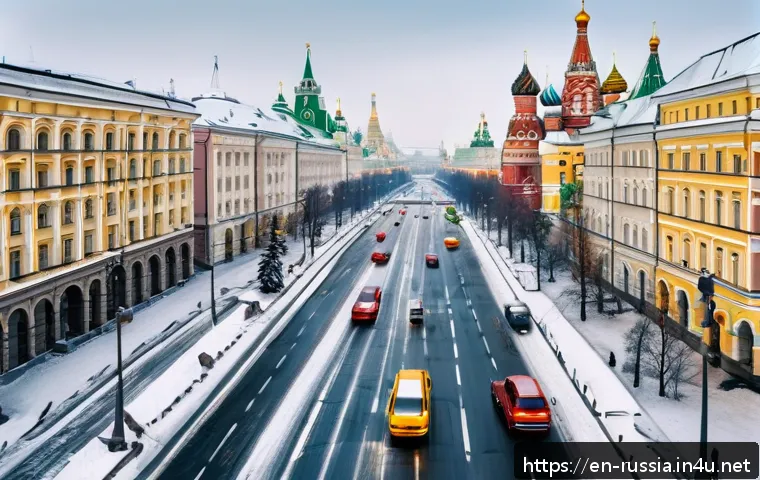
Despite the challenges, winter also brought magical scenes of snow-covered streets and festive celebrations that made enduring the cold worthwhile.
Adapting to the Summer’s Short but Intense Warmth
Summer, though brief, is a time of celebration and outdoor life. Parks fill with people enjoying picnics and open-air concerts, and local markets burst with fresh produce.
I found myself savoring these months, taking advantage of the longer days and warmer temperatures to explore the city’s green spaces and waterways. The contrast between the seasons taught me to appreciate the fleeting nature of summer and to prepare mentally for the inevitable return of winter.
Seasonal Activities and Traditions
Each season brings unique cultural traditions and activities that shape daily life. Winter festivals, ice skating, and sauna rituals are staples, while summer invites outdoor barbecues, river cruises, and garden parties.
Engaging in these seasonal customs helped me feel connected and provided a rhythm to the year that was both grounding and enriching.
Essential Tips for Living Comfortably as an Expat
Language Learning: Small Steps, Big Impact
Mastering Russian may seem daunting, but even basic phrases opened doors socially and professionally. I found that locals appreciated any effort, and it often sparked friendly conversations.
Using language apps and attending informal language exchanges were practical ways to improve. Over time, even simple greetings and expressions helped me navigate shops, services, and social situations with greater confidence.
Building a Support Network
Living far from home, I realized early on the importance of community. Connecting with other expats provided practical advice and emotional support, while friendships with locals offered deeper cultural insights.
Joining clubs, attending language classes, or participating in cultural events were excellent ways to build these networks. This support system became invaluable during moments of homesickness or bureaucratic frustrations.
Managing Expectations and Embracing Flexibility
Perhaps the most important lesson was learning to adapt and stay flexible. Things don’t always go as planned in Russia, from delayed paperwork to unexpected cultural nuances.
Approaching these challenges with patience and a sense of humor made life smoother and more enjoyable. Embracing the unpredictability and viewing each obstacle as a learning opportunity transformed my experience from stressful to rewarding.
| Aspect | Key Insight | Practical Tip |
|---|---|---|
| Transport | Efficient but crowded; metro etiquette is key | Use reusable transport cards and travel off-peak |
| Social Norms | Direct communication; formal invitations matter | Respect timing and reciprocate invitations |
| Healthcare | Public clinics are bureaucratic; private options cost more | Carry health insurance and learn basic medical phrases |
| Food Culture | Markets offer fresher produce; meals are social events | Practice toasting etiquette and try local dishes |
| Climate | Harsh winters, brief summers | Invest in quality winter gear and enjoy seasonal activities |
| Language | Learning Russian enhances experience | Start with common phrases and join language exchanges |
In Conclusion
Living in Russian cities offers a rich tapestry of experiences that go far beyond the surface. From the rhythm of daily commutes to the warmth of social gatherings, each aspect reveals a unique blend of tradition and modern life. Embracing these nuances not only deepened my understanding but also enriched my day-to-day journey. It’s a place where patience, respect, and adaptability truly shape the experience.
Helpful Information to Keep in Mind
1. Mastering basic Russian phrases can greatly enhance your interactions and ease daily tasks.
2. Using reusable transport cards and traveling during off-peak hours makes commuting smoother and more economical.
3. When invited to social events, punctuality and bringing a small gift are important signs of respect.
4. Investing in quality winter clothing is essential to comfortably navigate the long, cold season.
5. Exploring local markets not only offers fresher ingredients but also a chance to connect with the community.
Key Takeaways for a Successful Stay
Understanding and respecting local customs—from communication styles to social etiquette—are crucial for building meaningful relationships. Navigating healthcare and infrastructure may require patience, but preparing ahead makes a big difference. Embracing the seasonal rhythms and engaging with cultural traditions provide a deeper sense of belonging. Above all, flexibility and an open mind turn challenges into rewarding experiences that define life in Russian cities.
Frequently Asked Questions (FAQ) 📖
Q: What are some common challenges expats face when living in Russia?
A: One of the biggest challenges expats often mention is the language barrier. Russian can be tough to learn, especially the Cyrillic alphabet and complex grammar.
This makes everyday tasks like grocery shopping or dealing with bureaucracy more stressful than expected. Another hurdle is adapting to the local bureaucracy, which can be slow and requires patience.
Weather also plays a role; the long, harsh winters can be a shock if you’re used to milder climates. On the flip side, once you get past these initial hurdles, you start appreciating the rich culture and warm hospitality that’s often hidden beneath the surface.
Q: How can I best adapt to Russian daily life and customs as a newcomer?
A: Immersing yourself in local customs is key. For example, learning a few basic Russian phrases goes a long way in breaking down barriers and showing respect.
Russians appreciate honesty and straightforwardness, so being genuine helps build trust. It’s also helpful to understand social norms, like removing your shoes when entering someone’s home and bringing a small gift if you’re invited over.
I found that joining local clubs or language exchange meetups not only improved my language skills but also helped me make friends and feel part of the community.
Patience and openness to new experiences really smooth out the adaptation process.
Q: Is it safe to live in Russia as a foreigner, and what precautions should I take?
A: Generally, Russia is safe for foreigners, especially in major cities like Moscow and St. Petersburg, where there’s a visible police presence and many expats.
However, like in any big city worldwide, it’s wise to stay alert in crowded places and avoid poorly lit or unfamiliar areas at night. I personally recommend registering with your embassy and keeping emergency contacts handy.
Also, be cautious when using public Wi-Fi and always keep your documents secure. Following local news and staying informed about any regional developments helps you stay prepared and feel more confident navigating life there.