Forget what you *think* you know about Russian travel. We’ve all seen the dazzling palaces of St. Petersburg and the iconic Red Square in Moscow, right?
But what if I told you there’s an entirely different, incredibly compelling side to this vast country, waiting to be unearthed? I’m talking about the raw, beating heart of Russia: its industrial cities.
I’ve been fascinated by these places for ages, imagining the stories etched into their steel and stone, and let me tell you, actually stepping into these hubs of innovation and history is a truly eye-opening experience.
From the mighty steelworks of the Urals to the space exploration marvels, these are places where the past and future collide in the most unexpected ways, showcasing an often-overlooked resilience and ingenuity that shaped a nation.
If you’re ready to peel back the layers and discover the vibrant, often overlooked industrial soul of Russia, you’re in for a treat. Let’s embark on this unforgettable journey together and dive into the fascinating world of Russia’s industrial heritage!
The Gritty Glamour: Unearthing Russia’s Industrial Gems

You know, when I first told my friends I was planning a trip to explore Russia’s industrial cities, I got a lot of blank stares. Most people picture the Kremlin or Hermitage, not sprawling factories and steel mills. But honestly, that’s exactly what drew me in! There’s a raw, undeniable allure to these places, a kind of gritty glamour that’s totally unlike anything else. It’s about seeing the backbone of a nation, the places where history wasn’t just made in grand palaces but forged in fire and sweat. I’m talking about cities that hum with the energy of human endeavor, places where every brick and girder tells a story of incredible resilience and innovation. This isn’t your average tourist trail, and that’s precisely why it’s so captivating. I felt like I was unlocking a secret level of understanding about Russia, a side often overlooked but profoundly important to its identity. It was a journey of discovery, not just of places, but of the very spirit of a people.
Stepping Back in Time: A Glimpse into Soviet-Era Marvels
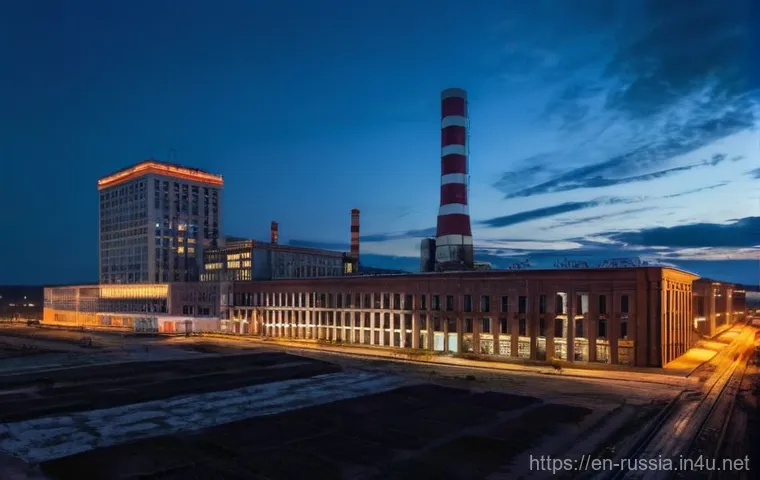
Walking through some of these industrial cities felt like stepping into a time capsule, particularly when it came to the architecture and urban planning. The sheer scale of some of the Soviet-era industrial complexes is absolutely mind-boggling. You see these massive, imposing structures, often built with a utilitarian beauty that speaks volumes about the era’s ambition. I remember wandering through the outskirts of a city – I won’t name it to keep some mystery – and seeing these incredibly intricate mosaics adorning old factory walls, depicting workers and collective triumphs. It was a stark reminder that even in the most pragmatic of settings, art and ideology were intertwined. These weren’t just buildings; they were monuments to a particular vision of progress. The sense of history, of colossal human effort, was palpable, almost overwhelming. It made me think about the lives lived, the sacrifices made, and the incredible belief in a future that fueled such massive undertakings. It truly offers a unique perspective on the 20th century.
The Human Touch: Stories Etched in Steel and Stone
What really blew me away, beyond the sheer scale of the industry, was the human element. It’s easy to look at a factory and see only machines, but when you spend time there, you realize it’s all about the people. I had the privilege of meeting some incredibly warm and welcoming locals, many of whom had family histories deeply entwined with the local industries. There was this one gentleman, a retired steelworker, who showed me photos of his father, grandfather, and even his great-grandfather, all working in the same mill. His eyes lit up as he recounted tales of the camaraderie, the challenges, and the immense pride they felt in their work. It wasn’t just a job; it was a legacy, a way of life passed down through generations. These conversations truly brought the steel and stone to life for me. It transformed what could have been a purely architectural or historical exploration into something deeply personal and emotionally resonant. You really feel the heartbeat of these communities.
Beyond the Usual Postcard: My Journey to the Urals’ Mighty Hearts
If you’re looking for a truly off-the-beaten-path experience in Russia, you absolutely have to consider the Ural Mountains region. Forget your preconceptions; this isn’t just a mountain range. It’s the industrial heartland, a place where immense natural resources met human ingenuity to create some of the most formidable industrial cities on the planet. I remember landing there, and the air just felt different – a sense of purpose, of raw power. It’s a region that has shaped Russia’s destiny, from supplying the empire with its minerals to fueling the Soviet Union’s industrial might. The landscapes are dramatic, with rugged hills giving way to vast plains dotted with cities that are monuments to human ambition. I’ve always been drawn to places that have a tangible connection to history and production, and the Urals delivered that in spades. It was an adventure that genuinely stretched my understanding of what travel could be, moving far beyond typical sightseeing into a realm of deep historical and cultural immersion.
Echoes of Industry: Magnitogorsk and the Iron Will
Magnitogorsk, for instance, was one of those places that left an indelible mark on me. It’s a city literally built around a mountain of iron ore, and its history is a testament to incredible human will and sacrifice. The scale of the metallurgy complex there is simply staggering. You can almost feel the echoes of the “Iron Mountain” being carved away to feed the furnaces. I took a tour – and let me tell you, arranging industrial tours in Russia is an art form in itself! – and seeing the colossal machinery, the molten metal, and the sheer heat, gave me a profound respect for the people who dedicated their lives to this work. It’s not just a factory; it’s a symbol of an entire era, a city born from a grand vision. The city’s layout, the architecture, even the spirit of the people, all seemed to reflect this powerful, unyielding connection to iron and steel. It’s an immersive experience that challenges you to think about industrialization on a truly epic scale.
Perm’s Artistic Pulse Amidst the Industrial Beat
Then there’s Perm, a city that beautifully blends its industrial heritage with a surprisingly vibrant cultural scene. Before my trip, I mostly knew Perm for its heavy industry, particularly machinery and chemical production. But what I discovered was a city with a thriving arts community, modern galleries, and a renowned ballet and opera theatre. It was such an unexpected delight to spend a day touring a historical factory museum and then, in the evening, be mesmerized by a world-class performance. This juxtaposition really highlights the multi-faceted nature of these industrial hubs; they’re not just production centers but living, breathing communities with rich inner lives. It taught me not to make assumptions about places based solely on their economic output. Perm showed me that creativity and industry can not only coexist but can actually enrich each other, offering a more nuanced and engaging urban experience. It truly redefined what an industrial city could be for me.
| City | Primary Industry/Significance | Notable Features |
|---|---|---|
| Magnitogorsk | Metallurgy, Iron and Steel Production | “Iron Mountain” (Magnitnaya Gora), Soviet industrial planning |
| Perm | Machinery, Chemical Production, Oil Refining | Vibrant arts scene, Perm Opera and Ballet Theatre |
| Tolyatti | Automotive Manufacturing (AvtoVAZ) | Planned city, major car production hub |
| Novokuznetsk | Coal Mining, Metallurgy | Siberian industrial powerhouse, historical coal basin |
| Korolyov | Space Technology, Rocket Engineering | “Science City” (Naukograd), home to Energia corporation |
Where Innovation Takes Flight: Russia’s Cosmic Cities and Beyond
You can’t talk about Russian industrial prowess without touching on its monumental contributions to space exploration. It’s an aspect that completely captivated me. These aren’t just cities with factories; they’re the birthplaces of rockets, the training grounds for cosmonauts, and the nerve centers of orbital missions. The sheer level of scientific and engineering innovation packed into these hubs is absolutely mind-boggling. I’ve always been a bit of a space nerd, so getting to glimpse behind the curtain of Russia’s space program was like a dream come true. It’s one thing to read about Sputnik or Yuri Gagarin; it’s another entirely to stand where those pivotal moments in human history were conceived and executed. The blend of rigorous science, cutting-edge technology, and the palpable sense of a grand ambition really makes these places feel like they’re on the edge of tomorrow, even while steeped in history.
Gagarin’s Legacy: Experiencing Star City’s Space Frontier
Visiting Star City, just outside Moscow, was an experience I’ll never forget. This isn’t a typical “city” in the sprawling sense; it’s a closed-access facility, a dedicated training center for cosmonauts. Getting permission to visit took some serious planning, but it was worth every bit of effort. Walking through the hydro-laboratory where cosmonauts train for spacewalks, seeing the massive centrifuges, and learning about the intricate simulations they undergo was genuinely awe-inspiring. You can feel the weight of history and the future pressing down on you simultaneously. The guides, often retired cosmonauts or engineers, shared stories that weren’t just facts but deeply personal accounts of dedication and courage. It’s an almost sacred place for anyone interested in space, a true testament to human ingenuity and the relentless pursuit of the stars. It made me feel incredibly small, yet part of something so much larger than myself.
The Engineering Wonders of Tolyatti
Another fascinating stop on my journey was Tolyatti, a city that embodies the collaborative spirit of international industrial development. While perhaps not as overtly “space-focused” as Star City, Tolyatti is an engineering marvel in its own right, largely known for being the home of AvtoVAZ, the manufacturer of the iconic Lada cars. It was fascinating to see a city so purposefully built around a single, massive industry, almost like a living, breathing testament to industrial planning. The scale of the car plant is immense, and understanding the logistics and the sheer volume of production happening there was eye-opening. What really struck me was the city’s unique architectural style and its strong connection to its Italian namesake, Palmiro Togliatti. It’s a place where you can see the ambition of Soviet-era industrialization coupled with later efforts to modernize and adapt. It’s a powerful reminder of how industry shapes not just economies, but entire urban landscapes and social structures.
Siberia’s Industrial Frontier: A Raw and Resilient Landscape
Venturing into Siberia’s industrial heartlands was, without a doubt, one of the most rugged and rewarding parts of my trip. When people think of Siberia, they often conjure images of vast, empty frozen landscapes. And while parts of that are true, there’s an incredibly vibrant, resilient, and, yes, industrial side to it that utterly defies expectation. This region is a treasure trove of natural resources – coal, timber, minerals – and for centuries, it has been a crucible for developing Russia’s industrial might. The sheer scale of the landscape alone is enough to take your breath away, but then you encounter these bustling cities, carved out of the wilderness, and you realize the immense human effort that has gone into shaping this frontier. It’s a place where nature and industry collide in the most dramatic ways, and the result is a landscape and culture unlike anywhere else I’ve ever experienced. It truly broadened my horizons, showing me a raw, powerful side of Russia.
Novokuznetsk: Coal, Steel, and Siberian Spirit
Novokuznetsk is an absolute powerhouse, a city synonymous with coal mining and metallurgy. You can feel the industrial pulse here from the moment you arrive. The air, the sounds, the very fabric of the city tells a story of heavy industry. I was particularly interested in the historical context of its development, how it grew into such a significant industrial center in the Kuznetsk Basin. The locals, many of whom have generations of family working in the mines and mills, carry a deep sense of pride and a certain rugged resilience that I found incredibly inspiring. They’ve built strong communities in challenging conditions, and their spirit is truly infectious. It’s not a pretty city in the traditional sense, but its beauty lies in its authenticity, its history, and the sheer power of human endeavor against the backdrop of the vast Siberian wilderness. It’s a stark, powerful reminder of the foundations upon which modern industry is built.
The Trans-Siberian Link: Life Along the Industrial Vein
One of the most incredible aspects of exploring Siberia’s industrial frontier was experiencing it along the legendary Trans-Siberian Railway. This isn’t just a train ride; it’s a lifeline, connecting these disparate industrial hubs across thousands of kilometers. As you travel, you see the landscape shift, from dense forests to wide-open steppes, punctuated by industrial towns and cities, each with its unique economic identity. The train itself becomes a microcosm of life along this industrial vein, filled with workers, merchants, and families moving between these crucial nodes. I remember looking out the window, watching the vastness of Siberia roll by, and seeing the smoke plumes from distant factories, or the illuminated signs of mining operations in the dead of night. It gave me a profound sense of the interconnectedness of these industrial centers and how integral they are to the entire nation. It’s an immersion into the very arteries of Russia’s economic and social landscape.
More Than Just Factories: The Cultural Soul of Industrial Hubs
It’s so easy to pigeonhole industrial cities as purely functional, devoid of artistic flair or cultural depth. But let me tell you, that couldn’t be further from the truth in Russia. What I discovered was a vibrant, often unexpected, cultural tapestry woven into the very fabric of these seemingly utilitarian environments. These are places where communities have thrived for generations, and with that comes a rich development of local traditions, art forms, and social practices that are unique to their industrial heritage. I always seek out the unexpected when I travel, and these cities consistently delivered. From local museums celebrating worker achievements to underground art scenes blossoming in old factory spaces, there’s a dynamic energy that proves culture isn’t just for the capital cities. It felt incredibly authentic, a reflection of the people’s creativity and their desire to find beauty and expression even amidst the demanding realities of industrial life. It was a constant revelation.
Art, Music, and Unexpected Beauty
I was genuinely surprised by the amount of creativity I encountered. Take Ekaterinburg, for example, a major industrial center in the Urals. Beyond its heavy machinery and metalworking, it boasts a fantastic street art scene, with murals adorning old buildings and new installations popping up in unexpected corners. I spent an entire afternoon just wandering around, camera in hand, discovering these incredible urban artworks. Then there are the local museums, which aren’t just dry historical archives but often vibrant spaces showcasing the skills of local artisans, the history of specific industries through compelling exhibits, and even local musical traditions. In one city, I stumbled upon a small, independent theater group performing a play about the lives of factory workers, and it was absolutely captivating. These experiences shatter the stereotype of grim industrial towns and reveal a deep well of artistic expression that flourishes in these unique environments. It truly changed my perception of what “culture” means in different contexts.
Culinary Delights: Tastes of the Working Class
And let’s not forget the food! Exploring the culinary scene in these industrial cities was another delightful discovery. You might not find Michelin-starred restaurants on every corner, but what you *will* find is hearty, delicious, and incredibly authentic cuisine that reflects the practical needs and cultural heritage of the working class. I developed a real fondness for things like Pelmeni and Vareniki, simple but incredibly satisfying dumplings, often served with sour cream. Then there were the rich, warming stews and traditional soups that are perfect for a cold Siberian evening. I remember sitting in a tiny, unpretentious cafe in Magnitogorsk, enjoying a bowl of Shchi (cabbage soup) that was absolutely divine, and feeling like I was getting a true taste of local life. These aren’t just meals; they’re comfort food, packed with history and prepared with a straightforward honesty that is incredibly appealing. It’s another way these cities reveal their true character, one delicious bite at a time.
Navigating the Concrete Canvas: Practicalities for the Urban Explorer
Okay, so you’re convinced these industrial cities are worth exploring, right? Fantastic! Now, let’s talk practicalities, because navigating these urban canvases requires a slightly different approach than, say, strolling through Nevsky Prospekt. It’s all part of the adventure, of course, but a little preparation goes a long way. I learned a few things the hard way, and I want to share those insights so your journey is as smooth and enriching as possible. These aren’t always tourist-centric destinations, which means you need to be a bit more self-reliant and open to local ways of doing things. But honestly, that’s where the real magic happens – when you step out of your comfort zone and truly immerse yourself in the local rhythm. It’s about being observant, asking questions (even with a language barrier!), and embracing the unexpected. Trust me, the rewards are immense when you get it right.
Getting Around: Public Transport and Local Guides
Public transportation in these cities is generally efficient and incredibly affordable, but it might not always be in English. Metro systems, when available, are usually straightforward, but for buses and trams, having a translation app handy is a lifesaver. I found that Yandex.Maps (Russia’s equivalent of Google Maps) was indispensable for navigating routes and understanding schedules. For a deeper dive, especially if you’re looking to visit industrial sites that aren’t typically open to the public, hiring a local guide is absolutely invaluable. Not only do they bridge the language gap, but they also have the connections and local knowledge to open doors you wouldn’t find on your own. I had a phenomenal experience with a local historian in one city who not only guided me through the old factory districts but also shared personal anecdotes that brought the history to life. It elevates the entire experience from sightseeing to genuine cultural exchange.
Finding Your Spot: Accommodations and Hidden Cafes
When it comes to accommodation, you might not find a plethora of international chain hotels, which, in my opinion, is a good thing! It forces you to look for smaller, locally run hotels or guesthouses, which often offer a more authentic experience and better value. I always tried to find places that were centrally located, or at least well-connected to public transport, to minimize travel time. And for food, don’t just stick to the main squares. Wander down side streets and look for the bustling cafes where locals are queuing up. Those are usually the spots with the best, most authentic, and most affordable food. I found some incredible little eateries that served up hearty, traditional dishes – the kind of places where you truly feel like you’re part of the local scene, even if just for a meal. Sometimes the best finds are the ones you stumble upon when you least expect them, far from the tourist traps.
Why These Journeys Matter: A Deeper Understanding of Russia
After immersing myself in Russia’s industrial cities, I can honestly say my perception of the country, and indeed of history itself, has profoundly shifted. This wasn’t just a trip; it was an education, a journey that peeled back layers of preconceived notions and revealed a complex, resilient, and utterly fascinating nation. It’s easy to get caught up in the big-ticket tourist attractions, but true understanding often comes from exploring the places that are the engine rooms of a country, where the real work happens, and where everyday lives unfold. These industrial hubs aren’t just about steel and concrete; they’re about the human spirit, about ambition, struggle, and the incredible capacity for creation. My personal experience has convinced me that to truly grasp the essence of Russia, you have to look beyond the glamour and delve into its beating, industrial heart. It’s an adventure that challenges, inspires, and ultimately enriches your global perspective.
Challenging Perceptions: My Takeaway Experience
Before this trip, I held a fairly traditional view of Russia, mostly shaped by media and historical narratives focusing on political power and grand cultural achievements. But my time in these industrial cities shattered many of those stereotypes. I saw a dynamism, a work ethic, and a sense of community pride that is often overlooked. It wasn’t always easy – navigating language barriers, figuring out local customs – but every challenge was a stepping stone to a deeper understanding. I realized that the real story of Russia isn’t just in its famous landmarks, but in the grit and determination of its people, in the ingenuity that built these colossal industrial complexes, and in the everyday lives lived within their shadows. It’s a testament to the fact that authentic travel isn’t just about seeing beautiful things; it’s about expanding your mind and challenging your own internal narratives. This journey certainly did that for me.
The Unsung Resilience: What These Cities Taught Me
If there’s one overarching theme I took away from exploring Russia’s industrial cities, it’s the incredible resilience of its people and places. These cities have faced immense challenges – wars, economic shifts, technological revolutions – yet they continue to stand, to adapt, and to thrive in their own unique ways. I witnessed communities that are fiercely proud of their heritage, dedicated to their trades, and optimistic about their future, despite sometimes difficult circumstances. It’s a quiet strength, an unsung heroism that resonates deeply. You learn that innovation isn’t just about Silicon Valley; it’s about solving problems with whatever resources you have, about making things work, and about enduring. This resilience isn’t just historical; it’s a living, breathing force that shapes the character of these cities and their inhabitants. It was a powerful lesson in human spirit, and one that I’ll carry with me long after the memories of steel mills and factory floors begin to fade.
Wrapping Up This Unforgettable Journey
So there you have it, folks – my incredible deep dive into Russia’s industrial heartlands. What started as a curious idea blossomed into one of the most eye-opening travel experiences of my life. I truly hope that sharing my adventures, the gritty glamour, the human stories, and the unexpected cultural gems has ignited a spark in you. It’s a reminder that sometimes, the most profound insights come from stepping off the well-trodden path and embracing the raw, authentic pulse of a place. This journey wasn’t just about seeing factories; it was about connecting with the spirit of innovation, resilience, and the sheer human effort that built so much of our modern world. It’s an adventure I wholeheartedly recommend for anyone craving a truly unique perspective!
Practical Wisdom for Your Industrial Exploration
Embarking on your own journey into Russia’s industrial cities is an adventure that requires a little bit of savvy, but trust me, it’s absolutely worth it. Here are a few invaluable tips I picked up along the way that I know will make your experience smoother and even more rewarding. It’s all about embracing the local way and being prepared for a truly immersive experience that goes beyond typical tourist trails.
1.
Brush Up on Basic Russian Phrases and Tech
While you might find some English speakers in major hubs, venturing into industrial cities means you’ll encounter far less. Learning a few basic Russian phrases for greetings, directions, and ordering food will go an incredibly long way. I personally found that having a robust translation app on my phone, especially one with offline capabilities, was an absolute lifesaver. It allowed me to navigate public transport, understand menus, and even have short, memorable conversations with locals who were eager to share their stories. It breaks down barriers and truly enriches your interactions, making you feel less like a tourist and more like an honorary local.
2.
Leverage Local Guides for Unique Access
If your goal is to delve deeper into the actual industrial sites – think factory tours or historical working areas – securing a knowledgeable local guide is almost non-negotiable. Many significant industrial complexes are not set up for casual tourist visits, and gaining access often requires local connections, special permits, and understanding of complex regulations. A local guide can not only navigate these bureaucratic hurdles but also provide invaluable historical context, translate technical details, and share personal anecdotes that you simply wouldn’t get from a guidebook. This investment elevates your experience from mere observation to genuine, insider exploration, offering a profound appreciation for the scale and history of these sites.
3.
Embrace Authentic Local Accommodations
Forget the idea of exclusively seeking out international hotel chains. In Russia’s industrial cities, the real charm and often the best value lie in smaller, locally-run hotels, guesthouses, or even apartments found on platforms like Airbnb. These options often provide a more authentic sense of the local culture, giving you a glimpse into everyday life beyond the tourist bubble. Plus, the staff are usually incredibly welcoming and can offer fantastic local recommendations for dining and activities. I always prioritize locations that are either central or well-connected to the public transport network, ensuring easy access to all the fascinating corners of the city you’ll want to explore. It’s a chance to truly live like a local, even if just for a few days.
4.
Dive Headfirst into Local Cuisine
The culinary scene in these cities might surprise you with its hearty, delicious, and incredibly authentic offerings. While you might not find a Michelin-starred experience, you’ll discover comfort food that tells a story of generations. Seek out the bustling local eateries – the ones packed with locals during lunchtime – rather than sticking to generic tourist traps. These are where you’ll find the most flavorful pelmeni, vareniki, shchi, and other traditional dishes, often at incredibly affordable prices. Don’t be afraid to try regional specialties; they are a direct reflection of the local history and climate. Eating where the locals eat isn’t just about the food; it’s about experiencing the true social fabric of the city, sharing a meal as part of the community.
5.
Thorough Pre-Trip Research is Your Best Friend
Before you even book your flights, dedicate ample time to researching specific cities, visa requirements, and any special permits needed for certain industrial zones or closed cities. Russia has unique entry requirements, and some areas might have restricted access, especially those with military or strategic importance. Check current travel advisories, understand local customs and etiquette, and consider purchasing travel insurance that covers potential medical emergencies or trip cancellations. Having a clear itinerary, even if flexible, and knowing the essential logistics will alleviate stress and allow you to fully immerse yourself in the experience. Being prepared ensures that your focus remains on discovery, not on unexpected administrative headaches.
Key Insights from the Industrial Frontier
My exploration of Russia’s industrial cities wasn’t just a trip; it was a profound learning experience that reshaped my understanding of the country and its people. The most significant takeaway is that true travel often lies beyond the picture-postcard views. These industrial hubs, with their raw energy and historical depth, offer an unparalleled glimpse into the very soul of a nation, showcasing the immense human effort, ingenuity, and resilience that has forged its identity. I learned that culture thrives in every corner, not just in grand capitals, and that the human stories etched in steel and stone are as captivating as any imperial palace. It’s an adventure that genuinely challenges preconceived notions, highlighting the multi-faceted nature of Russia and the enduring spirit of its communities. If you’re looking to truly broaden your horizons and connect with a destination on a deeper, more authentic level, these industrial landscapes are waiting to tell their powerful, often unsung, stories.
Frequently Asked Questions (FAQ) 📖
Q: Why would anyone choose to visit Russia’s industrial cities over its more famous, glittering capitals like Moscow or St. Petersburg?
A: Oh, I totally get it! Most people immediately think of the Hermitage or Red Square when you mention Russia, and for good reason – they’re breathtaking.
But let me tell you, if you’re anything like me and you crave a deeper, more authentic travel experience, then the industrial heartlands are where it’s at.
I mean, personally, I’ve always been drawn to places with a real story to tell, where you can feel the pulse of a nation’s history and innovation, not just admire its polished facade.
Visiting these cities isn’t about ticking off tourist boxes; it’s about seeing the resilience, the sheer ingenuity, and the everyday lives that shaped this massive country.
When I first stepped into some of these less-traveled spots, I felt an immediate connection to the sheer force of human endeavor that built them. It’s truly eye-opening to witness how these places, often overlooked, are actually the very backbone of Russia, brimming with untold stories and an energy you simply won’t find in the more tourist-heavy zones.
It’s a chance to truly understand the country’s spirit.
Q: What kind of unique experiences or sights can a traveler actually expect to find in these industrial cities? Will I just be looking at factories?
A: That’s a fantastic question, and trust me, it’s so much more than just looking at factories! While, yes, you might encounter incredibly impressive steelworks, massive hydroelectric dams, or even former Soviet-era industrial complexes – many of which have been transformed into fascinating museums or creative spaces – the real magic lies in the unexpected.
For example, I was absolutely captivated by cities that were once closed administrative territorial entities, now offering a glimpse into pioneering scientific and space exploration endeavors.
You can often find incredible technical museums detailing Russia’s engineering feats, local history museums showcasing the unique development of these industrial powerhouses, and even vibrant cultural scenes that have blossomed amidst the factories.
Think about the unique architecture that emerged from these industrial boom times, or the incredible sense of community you find in towns built around a single industry.
It’s about experiencing a different rhythm of life, perhaps visiting a local market, chatting with residents who’ve lived there for generations, and truly understanding how industry has shaped their culture and traditions.
It’s a full immersion into a side of Russia you didn’t even know existed.
Q: Is it actually safe and logistically feasible for an international traveler to explore these less-trodden industrial areas of Russia?
A: Absolutely, and that’s a concern many people share, so it’s totally valid to ask! From my own experience, venturing into these areas felt incredibly rewarding and, with a bit of planning, very manageable.
While they might not have the same extensive tourist infrastructure as Moscow or St. Petersburg, that’s part of their charm. I always recommend working with local guides or specialized tour operators who have experience navigating these regions.
They can provide invaluable insights, help with language barriers, and ensure you’re getting the most authentic and safe experience. Transportation might involve more regional trains or domestic flights, which are often fascinating journeys in themselves, offering incredible views of the vast Russian landscape.
As for safety, like anywhere else in the world, exercising common sense and being aware of your surroundings goes a long way. The local people I encountered were incredibly hospitable and genuinely curious about why an international visitor was interested in their hometowns.
It’s an adventure, for sure, but one that’s absolutely worth the effort for the truly unique stories and perspectives you’ll gain.