Hello, culture enthusiasts! Have you ever found yourself completely mesmerized, spellbound by an artistic performance or a painting that seems to whisper stories across centuries?
For me, that feeling often comes alive when diving into the incredible world of Russian art and ballet. It’s truly something else to witness the raw passion, the intricate technique, and the profound emotional depth woven into every brushstroke and every graceful movement.
I’ve been fortunate enough to experience the magic of a live Bolshoi performance, and let me tell you, it stays with you long after the curtain falls.
The sheer historical impact and the enduring legacy of Russia’s contributions to the global arts scene are simply breathtaking, shaping how we perceive beauty and storytelling even today.
From the vibrant colors of its avant-garde movements to the ethereal narratives told through dance, Russian artistic expression has continuously pushed boundaries and captured the human spirit like few others.
It makes you wonder what inspired such enduring brilliance, doesn’t it? Let’s uncover the fascinating journey that birthed these masterpieces.
The Soul of Russian Art: Why It Moves Us So Deeply
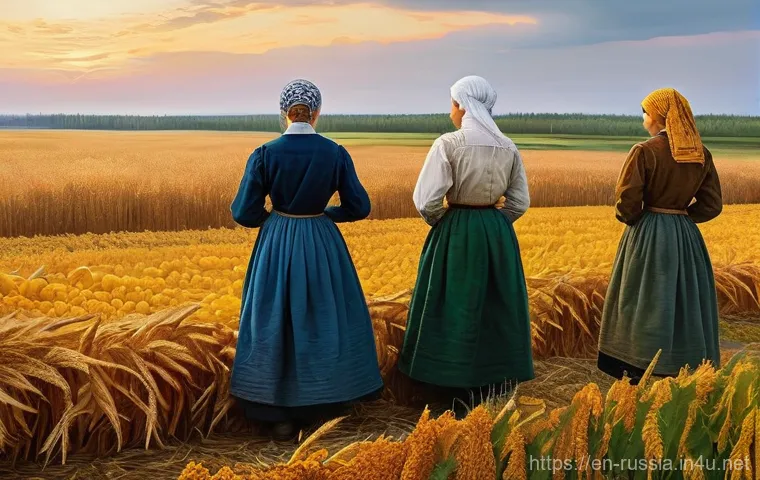
There’s something incredibly raw and honest about Russian art that just gets under your skin. From the dramatic sweeping landscapes of the Peredvizhniki to the intense, almost spiritual, portraits, it feels like each piece tells a deeply personal story, often reflecting the vastness of the land and the depth of the human spirit. I’ve always felt that Russian artists weren’t just painting what they saw; they were pouring their very souls onto the canvas, translating the joys, sorrows, and profound introspections of a complex nation into colors and forms. It’s not always cheerful, no, but it’s always deeply resonant, isn’t it? This emotional intensity is a hallmark that I personally find utterly captivating. It’s a reflection of the country’s rich literary tradition too, where every character and every plot twist is laden with philosophical weight. When you stand before a truly great Russian painting, you don’t just observe it; you become a part of its narrative, feeling the chill of a winter landscape or the warmth of a communal gathering. That immersion, that profound connection, is what truly defines the experience for me, making it an artistic journey unlike any other.
Unpacking the Emotional Canvas: More Than Just Pigment
What I’ve come to understand, after years of exploring this fascinating world, is that Russian art consistently pushes boundaries not just technically, but emotionally. It’s like the artists are inviting you into a conversation about life’s biggest questions. Take the Symbolists, for example; their works often delve into mysticism, spirituality, and the subconscious, creating pieces that feel deeply personal yet universally relatable. This isn’t art that sits quietly on a wall; it actively demands your attention and your introspection. The color palettes, often rich and moody, or surprisingly vibrant in the case of the avant-garde, always serve to amplify the emotional message. I remember seeing a particular piece by Mikhail Vrubel, and it was as if the canvas itself was humming with a contained energy, a powerful, almost melancholic beauty that stayed with me for weeks. It’s this capacity to evoke such strong, lasting feelings that makes Russian art so uniquely impactful.
The Echoes of History in Every Stroke
You can’t really talk about Russian art without acknowledging the turbulent, often dramatic, history that shaped it. Each era brought new challenges and inspirations, from the Byzantine influences of early icon painting to the revolutionary fervor of the early 20th century. Artists weren’t just chroniclers; they were often voices of their time, responding to societal changes, political shifts, and the evolving identity of the nation. This imbues their work with an incredible sense of historical weight and cultural significance. For me, tracing these historical threads through the art is like reading a visual diary of Russia itself. It’s fascinating to see how even stylistic choices, like the realism of the Wanderers or the abstraction of Suprematism, were deeply tied to prevailing social currents. This historical dialogue, constantly playing out on the canvas, is another reason why I feel such a profound connection to this artistic heritage.
Beyond the Stage: The Cultural Tapestry of Russian Ballet
If there’s one art form that truly defines Russian artistic excellence for many, it’s ballet. And honestly, having experienced it live, I can tell you it’s not just a performance; it’s an almost spiritual event. The precision, the passion, the storytelling through pure movement – it’s absolutely breathtaking. From the iconic steps of the Bolshoi to the ethereal grace of the Mariinsky, Russian ballet has always set the gold standard worldwide. It’s a tradition steeped in history, rigor, and an almost obsessive pursuit of perfection that you can feel radiating from every single dancer on stage. When I first saw a full-length classical ballet in Moscow, I was completely spellbound. The way the dancers moved, as if defying gravity, yet conveying such profound emotion with every gesture, was truly unforgettable. It’s an art form that transcends language, communicating directly to your heart and soul, and I think that’s why its appeal is so universal. It’s a testament to incredible discipline combined with raw, expressive talent.
The Unseen Dedication: A Peek Behind the Curtains
What we see on stage is just the tip of the iceberg, isn’t it? The sheer dedication required to reach the pinnacle of Russian ballet is something I’ve always admired. Dancers begin their training at a very young age, often sacrificing normal childhoods for endless hours of practice, discipline, and physical exertion. It’s a lifestyle of unwavering commitment, pushing the human body to its absolute limits while simultaneously perfecting the artistry. When you watch a prima ballerina execute a series of fouettés with effortless grace, it’s easy to forget the decades of painstaking work that went into perfecting that single movement. I’ve talked to former dancers who shared stories of relentless rehearsals, the physical toll, and the mental fortitude required. Knowing this only deepens my appreciation for their performances; it makes every pirouette and every grand jeté all the more magnificent, knowing the incredible journey that dancer has taken to get there.
Masterpieces in Motion: The Enduring Repertoire
Russian ballet’s repertoire is a treasure trove of classics that have captivated audiences for centuries. Think of “Swan Lake,” “The Nutcracker,” or “Giselle” – these are not just ballets; they are cultural institutions. Each one tells a timeless story, brought to life through Tchaikovsky’s magnificent scores and Marius Petipa’s masterful choreography. These works are constantly being reinterpreted and performed, yet their core magic remains untouched. I’ve seen multiple productions of “Swan Lake,” and while each company brings its own unique flair, the underlying emotional power of Odette and Odile’s story never diminishes. It’s like revisiting a beloved book; you discover new nuances with each reading. This enduring appeal speaks volumes about the genius of their creators and the profound impact these ballets have had on global culture. They are living, breathing works of art that continue to inspire awe and wonder, drawing new generations into their enchanting worlds.
A Brush with Genius: Iconic Movements and Master Painters
When you delve into Russian painting, it’s like stepping into a vibrant, ever-changing gallery that stretches across centuries. From the solemn beauty of icon painting to the revolutionary zeal of the avant-garde, Russian artists have consistently pushed the boundaries of visual expression. I’ve always been drawn to how different movements emerged, each responding to or rebelling against its predecessors, painting a dynamic picture of the nation’s evolving identity. It’s a continuous conversation between tradition and innovation, isn’t it? The sheer diversity is astounding – you can find serene landscapes by Isaac Levitan one moment and then be utterly challenged by the abstract forms of Kazimir Malevich the next. This willingness to explore and innovate, coupled with an unwavering commitment to emotional depth, truly sets Russian painting apart. It’s a powerful narrative told through color, line, and form, reflecting a people constantly grappling with grand ideas and profound changes.
The Wanderers: Painting Life, Unfiltered
One movement that particularly resonates with me is the Peredvizhniki, or the “Wanderers.” These artists, active in the late 19th century, broke away from the traditional academic styles to paint scenes of everyday Russian life, often with a powerful social commentary. They captured the beauty of the vast Russian landscape, the struggles of the peasantry, and the warmth of communal life with an honesty that was revolutionary for its time. I remember seeing Ilya Repin’s “Barge Haulers on the Volga” for the first time; the raw emotion and the dignity of the figures were so palpable that it felt like they could step right out of the canvas. It wasn’t just pretty pictures; it was art with a purpose, reflecting the deep-seated empathy of the artists for their subjects. This focus on realism and the human condition created a body of work that is not only historically significant but also deeply moving and relatable even today.
The Avant-Garde Explosion: Reshaping Reality
Then, as the 20th century dawned, Russian art underwent a seismic shift with the emergence of the avant-garde. Think Suprematism, Constructivism, and Cubo-Futurism – movements that completely reimagined what art could be. Artists like Malevich, Kandinsky, and Rodchenko weren’t just painting; they were theorizing, experimenting, and proposing entirely new ways of seeing and understanding the world. Their work, often abstract and geometric, was a radical departure from representational art, seeking to express universal truths and the spirit of a new age. I’ve always found this period incredibly exhilarating because it truly felt like a boundless exploration of creativity. It was a time of intense intellectual fervor where art was seen as a tool for social transformation. The energy and audacity of these artists, daring to break all the rules and forge entirely new paths, continues to inspire and challenge our perceptions of art’s possibilities.
The Sound of Silence and Grandeur: Music’s Role in the Russian Artistic Experience
You can’t fully appreciate Russian art and ballet without acknowledging the incredible tapestry of Russian classical music that underpins so much of it. For me, the music isn’t just an accompaniment; it’s an integral part of the narrative, an emotional bedrock that elevates the visual and performative arts to another level. Think of Tchaikovsky’s soaring melodies in “Swan Lake” or Mussorgsky’s dramatic opera “Boris Godunov” – these aren’t just scores; they are masterpieces that stand on their own, yet they imbue their associated ballets and stories with an unforgettable emotional resonance. I find that Russian composers have a unique ability to capture the vastness of the Russian soul, oscillating between moments of profound melancholy and explosive joy, much like the art itself. It’s a sonic journey that often mirrors the visual one, creating a truly immersive cultural experience. This symphonic backbone is, in my opinion, one of the unsung heroes behind the global impact of Russian artistic expression.
Harmonies of the Stage: Ballet and Opera’s Musical Soul
When you sit in a theater and listen to a live orchestra play Tchaikovsky as a ballet unfolds, it’s an experience that truly transcends. The music guides every movement, every emotion, every dramatic beat of the story. It’s not just background noise; it’s a character in itself, expressing what words or even dance alone cannot. The same goes for Russian opera, which is renowned for its grand scale and powerful storytelling. Composers like Rimsky-Korsakov and Borodin created works that are rich in folklore, history, and dramatic intensity, demanding voices of immense power and emotional depth. I remember being struck by the sheer orchestral richness and vocal prowess in a performance of “Prince Igor”; the music was so evocative, it painted vivid pictures in my mind even without the stage visuals. This symbiotic relationship between music, dance, and drama is a cornerstone of the Russian performing arts, creating a truly complete and enthralling artistic spectacle.
Beyond the Theatrical: The Enduring Concert Hall Legacy
But Russian music isn’t confined to the stage; its presence in the concert hall is equally monumental. Composers like Rachmaninoff, Shostakovich, and Prokofiev created symphonies, concertos, and chamber pieces that are staples of classical music worldwide. Their works are often characterized by profound emotional depth, technical brilliance, and a distinctive melodic richness that instantly identifies them as Russian. I’ve spent countless hours listening to Rachmaninoff’s piano concertos, and each time, I discover new layers of emotional complexity and breathtaking beauty. There’s a certain grandeur and dramatic flair that seems inherent in so much of their compositions, reflecting the same expansive spirit you find in their literature and visual arts. This enduring legacy continues to enrich our global cultural landscape, proving that the Russian artistic spirit is truly boundless, finding expression in every possible medium.
From Imperial Splendor to Revolutionary Spirit: Art as a Mirror of Society
It’s impossible to separate Russian art from the swirling currents of its history, and I’ve always found it fascinating how deeply artists engaged with the societal transformations around them. Art wasn’t just a decorative element; it was a potent force, reflecting, shaping, and sometimes even resisting the powerful shifts in Russian society. From the opulent patronage of the Imperial courts that gave rise to lavish ballets and grand portraits, to the fiery revolutionary ideals that fueled the avant-garde, art has always been a mirror. This direct engagement with contemporary life, whether celebrating its grandeur or critiquing its injustices, gives Russian art a unique depth and immediacy. It’s a visual chronicle of a nation constantly in flux, grappling with its identity, its destiny, and its place in the world. I personally believe this constant dialogue between art and society is what makes the study of Russian art so incredibly rewarding and endlessly intriguing.
Patronage and Power: Art in the Imperial Age
In the centuries leading up to the 20th, much of Russian art and performance flourished under the patronage of the Tsars and the wealthy aristocracy. This era saw the rise of grand imperial theaters, lavish ballets, and magnificent palaces adorned with breathtaking artworks. Artists and performers were often commissioned to create pieces that glorified the empire, celebrated its victories, or simply provided exquisite entertainment for the elite. This period gave birth to the classical ballet as we know it, with its intricate techniques and spectacular productions designed to awe and impress. While it might seem exclusive, this patronage also fostered an environment of incredible artistic development and technical mastery. It allowed artists to dedicate themselves fully to their craft, pushing boundaries within the confines of established tastes. It’s a testament to the talent of these artists that even within these structures, they created works of enduring beauty and universal appeal.
The Art of Revolution: Challenging the Status Quo
As Russia lurched towards revolution in the early 20th century, art became a powerful vehicle for expressing dissent, envisioning new futures, and challenging the very foundations of society. The avant-garde movements, in particular, were not just aesthetic shifts; they were deeply political. Artists embraced abstraction, geometric forms, and utilitarian design as a way to break free from the old world and build a new one. Think of the posters and propaganda art of the Constructivists, designed to mobilize the masses and shape a revolutionary consciousness. This period saw art directly intertwined with political ideology, with artists often aligning themselves with revolutionary ideals. It’s a stark contrast to the imperial era, demonstrating how art can transform from a symbol of power into a tool for radical change. This dynamic interplay between art and social change is, for me, one of the most compelling aspects of Russian artistic history.
My Personal Journey: Discovering the Unforgettable Magic
I genuinely believe that some experiences simply change you, and for me, delving into Russian art and ballet has been one of those profound journeys. It wasn’t just about reading books or seeing pictures; it was about truly immersing myself in the culture, letting the passion and intensity wash over me. I remember my first trip to St. Petersburg, standing in the Hermitage, utterly dwarfed by the sheer scale and beauty of the collections. It felt like I was walking through history itself, surrounded by centuries of human creativity and emotion. The vibrancy of the colors, the intricate details, and the palpable stories emanating from each canvas were overwhelming in the best possible way. This personal connection, this feeling of ‘being there,’ is what transforms knowledge into true understanding and appreciation. It’s why I continue to feel such a pull toward this incredible artistic legacy.
Firsthand Impressions: The Bolshoi Experience
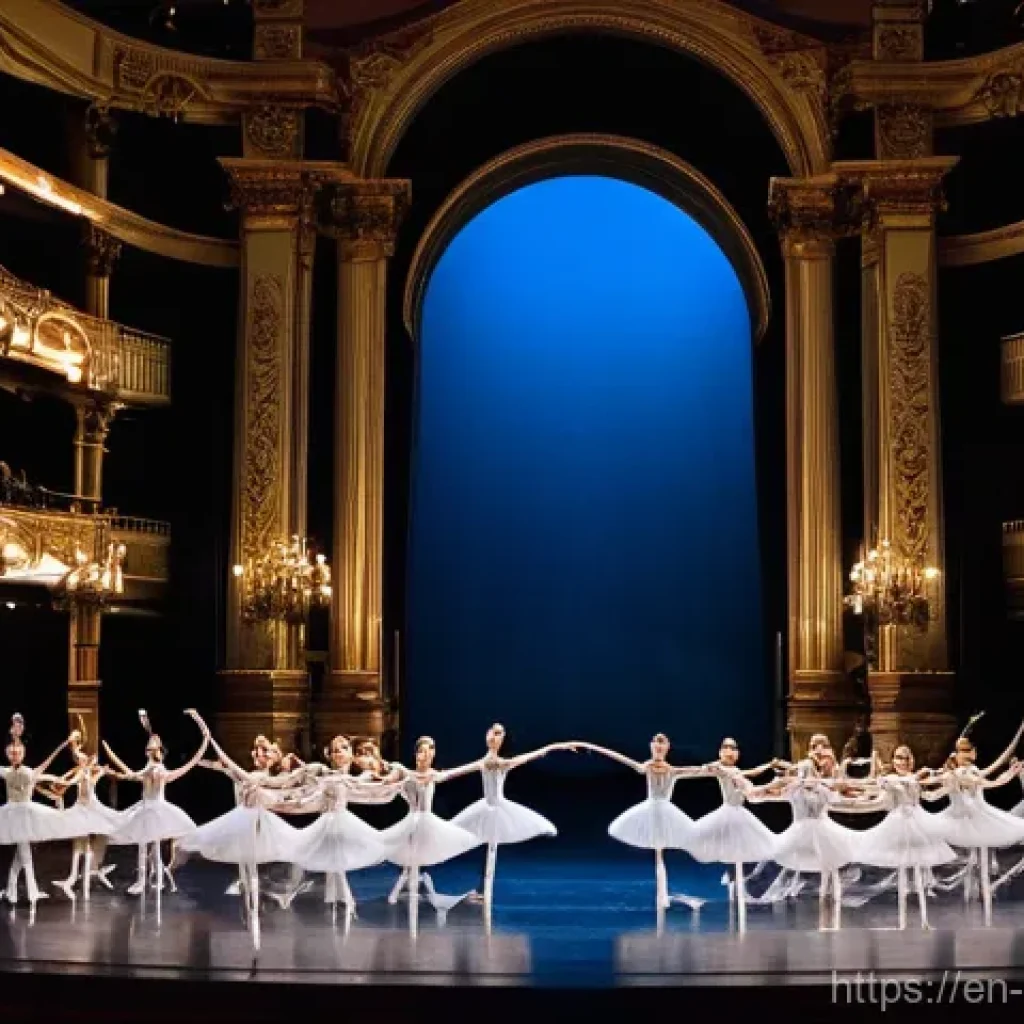
Speaking of transformative experiences, nothing quite compares to seeing a performance at the Bolshoi Theatre in Moscow. I still get goosebumps thinking about it. The grandeur of the theater itself, the hushed anticipation before the curtain rises, and then that first surge of orchestral music – it’s pure magic. I was fortunate enough to see “Swan Lake,” and it was everything I had ever imagined and more. The precision of the corps de ballet, moving as a single, ethereal entity, and the breathtaking solos of the principal dancers felt almost otherworldly. It wasn’t just technically brilliant; it was emotionally devastating, telling a story of love, betrayal, and sacrifice through movements alone. That night, sitting in that historic hall, I understood why Russian ballet holds such a revered place in the world. It’s an art form perfected through generations, delivered with an intensity that leaves an indelible mark on your soul.
Beyond the Tourist Trail: Engaging with Local Culture
What I’ve also learned is that truly understanding Russian art isn’t just about visiting the big museums and theaters; it’s about engaging with the local culture. It’s about finding smaller galleries, listening to street musicians playing classical pieces, or simply observing the intricate architecture that surrounds you. I found a small gallery in a less-trafficked part of Moscow once, showcasing contemporary Russian artists, and it offered such a fresh perspective on how artistic traditions are evolving. These moments of unexpected discovery, away from the well-trodden tourist paths, often yield the most authentic insights. They show you that art isn’t just something confined to grand institutions; it’s a living, breathing part of the fabric of everyday life, constantly influencing and being influenced by the people around it. That’s where the true heart of a culture lies, and where I’ve personally felt the deepest connection to Russia’s artistic soul.
What’s Next? The Ever-Evolving Legacy and Where to Experience It
So, after soaking in all this incredible history and passion, you might be wondering, what’s next for Russian art and ballet? And more importantly, how can *you* experience it for yourself? Well, I’m thrilled to tell you that this artistic legacy is far from static; it’s a living, breathing entity that continues to evolve, inspire, and captivate audiences worldwide. While the challenges of recent times have certainly shifted the landscape, the core brilliance and the profound impact of Russian artistic tradition remain undiminished. Artists and performers, both within Russia and in the diaspora, continue to innovate, drawing from their rich heritage while forging new paths. The beauty of art is its resilience, its ability to transcend boundaries and speak to the universal human experience, and Russian art has proven this time and again. It’s an ongoing story, and there are countless ways for you to become a part of it, no matter where you are.
Global Stages: Experiencing Russian Ballet Worldwide
Even if a trip to Moscow or St. Petersburg isn’t on your immediate horizon, you’d be surprised how much Russian ballet influence permeates companies worldwide. Many premier ballet companies across Europe and North America have Russian-trained principal dancers or regularly feature classic Russian ballets in their repertoire. Watching a local company perform “The Nutcracker” or “Swan Lake” can still offer a glimpse into the incredible technique and storytelling that originated from Russia. Furthermore, many theaters now offer cinematic broadcasts of live performances from the Bolshoi and Mariinsky, bringing the magic directly to a screen near you. I’ve found these broadcasts to be an excellent way to experience the grandeur and precision from the comfort of my own home, offering an almost front-row seat to some of the world’s most spectacular performances. Don’t let distance be a barrier to experiencing this exquisite art form!
Exploring Russian Art in International Collections
For those interested in the visual arts, many major museums across the globe house significant collections of Russian art. Institutions like the Metropolitan Museum of Art in New York, the British Museum in London, and the Centre Pompidou in Paris often feature masterpieces from various periods of Russian painting and sculpture. These collections provide invaluable opportunities to see iconic works firsthand, from religious icons to avant-garde experiments. It’s always a thrill to stumble upon a Kandinsky or a Malevich in an international gallery and recognize the profound impact Russian artists have had on global modern art. Additionally, online archives and virtual tours offered by museums provide incredible access to their collections, allowing you to explore at your own pace and discover artists you might not have known otherwise. The legacy of Russian art is truly a global one, waiting to be discovered by curious minds everywhere.
Here’s a quick overview of some key aspects that define the enduring appeal:
| Artistic Element | Key Characteristics | Notable Examples |
|---|---|---|
| Russian Ballet | Technical precision, emotional depth, dramatic storytelling, rigorous training | Swan Lake, The Nutcracker, Giselle (performed by Bolshoi, Mariinsky) |
| Classical Music | Rich melodies, dramatic flair, profound emotional range, symphonic grandeur | Tchaikovsky’s Symphonies, Rachmaninoff’s Piano Concertos, Mussorgsky’s Operas |
| Icon Painting | Spiritual focus, symbolic imagery, Byzantine influence, traditional techniques | Andrei Rublev’s Trinity, Our Lady of Vladimir |
| Peredvizhniki (Wanderers) | Social realism, focus on everyday life, landscape, and peasantry, critical commentary | Ilya Repin’s Barge Haulers on the Volga, Isaac Levitan’s Golden Autumn |
| Avant-Garde | Radical innovation, abstraction, geometric forms, revolutionary spirit | Malevich’s Black Square, Kandinsky’s Compositions, Rodchenko’s Constructivist works |
Wrapping Things Up
As we bring this exploration of Russian art and ballet to a close, it’s clear that its impact is profound and enduring. From the raw emotion of its paintings to the breathtaking grace of its ballets, this artistic tradition speaks a universal language, touching hearts and minds across generations.
I’ve personally found immense joy and inspiration in diving deep into this world, and I hope you have too. It’s a testament to the human spirit’s boundless capacity for expression, constantly inviting us to look closer, feel more deeply, and discover new layers of beauty that truly stick with you.
Good to Know
1. Immerse Yourself Digitally: Many world-class museums and ballet companies now offer incredible virtual tours, online archives, and even recorded performances. You can explore the Hermitage from your couch or watch a Bolshoi production streaming online, offering a fantastic way to start your journey before you even book a plane ticket. It’s truly revolutionized how we access these cultural treasures, making them accessible no matter where you are in the world.
2. Check Local Schedules: Don’t underestimate your local performing arts scene! Many premier ballet companies across North America, Europe, and beyond regularly feature Russian classical works like “Swan Lake,” “The Nutcracker,” or “Giselle” in their repertoire. It’s a fantastic way to experience the grandeur and technique of this tradition without traveling thousands of miles, and I’ve often found unexpected gems right in my own city.
3. Delve into the Music: Russian classical music is a world unto itself and deeply intertwined with its visual and performing arts. Attending a symphony concert featuring Tchaikovsky, Rachmaninoff, or Shostakovich can offer a deeper understanding and appreciation of the emotional landscape that underpins the ballets and paintings. For me, it’s often where the true heart of the culture lies, providing a powerful emotional foundation.
4. Explore Documentaries and Books: There’s a wealth of fascinating documentaries, biographical films, and historical books that offer incredible insights into the lives of Russian artists, the historical context of their work, and the evolution of their movements. I find these resources invaluable for enriching my understanding and making the art come alive, offering a behind-the-scenes look that deepens appreciation for every piece you encounter.
5. Connect with Fellow Enthusiasts: Join online forums, social media groups, or local clubs dedicated to classical art or ballet. Sharing your insights, discussing favorite pieces, and learning from others’ experiences can profoundly enhance your appreciation and open up new avenues for discovery. I’ve personally met some truly passionate people this way, and it always adds another layer to the enjoyment of this rich artistic heritage.
Key Takeaways
In essence, Russian art and ballet offer an unparalleled journey into the depths of human emotion, creativity, and historical narrative. Their enduring legacy is built upon a foundation of profound engagement with the human condition, breathtaking technical mastery, and an unwavering commitment to storytelling that transcends language and time.
What truly resonates with me, and I believe with countless others globally, is the sheer passion and soul poured into every stroke, every note, and every movement, making it an experience you simply won’t forget.
It’s an invitation to connect with something truly monumental and timeless, an artistic tradition that continues to inspire and move us deeply.
Frequently Asked Questions (FAQ) 📖
Q: What exactly makes Russian ballet stand out and feel so incredibly powerful compared to other styles I might have seen?
A: Oh, that’s a question I get a lot, and it’s something I’ve personally pondered while watching those breathtaking performances! What makes Russian ballet so unique is this amazing blend of technical brilliance and an almost spiritual depth of emotional storytelling.
While ballet originated in Italy and France, Russia really took it, absorbed it, and then pushed it to a whole new level, especially in the 19th century.
They developed specific training methods, like the Vaganova method, which emphasize not just flawless technique but also incredible artistry, full-body coordination, and, crucially, expressive storytelling.
Russian dancers aren’t just hitting poses; they’re truly living each role, much like dramatic actors. I remember watching a performance of “Swan Lake,” and the way the principal ballerina conveyed Odette’s vulnerability and Odile’s deceptive allure through every subtle movement, every glance – it was electrifying.
It’s that emphasis on internalizing the character and projecting raw emotion with grand, athletic gestures that sets companies like the Bolshoi and Mariinsky apart.
They have this unique “soul” that really connects with the audience on a deeper level.
Q: Beyond the stunning ballets, what are some key Russian art movements or artists that have significantly influenced the global art world?
A: It’s so easy to get lost in the grace of Russian ballet, but the visual arts scene from Russia is equally, if not more, revolutionary! If you’re anything like me, you’ll be captivated by how much Russian artists pushed boundaries.
For me, the Russian Avant-Garde from the late 19th to early 20th century is truly monumental. Think about artists like Kazimir Malevich, who pioneered Suprematism with his iconic “Black Square,” simplifying art to its most fundamental geometric forms to express pure feeling.
It’s wild to think how radical that was! Then there’s Wassily Kandinsky, often credited with creating the first purely abstract paintings, truly shaping modernism.
And let’s not forget Marc Chagall, whose vibrant, dreamlike works with their unique blend of Cubism, Symbolism, and folk art are instantly recognizable.
These movements — Suprematism, Constructivism, Russian Futurism — didn’t just emerge; they exploded onto the scene, challenging conventions and leaving an indelible mark on Western art movements like Bauhaus and even contemporary minimalism.
Their work speaks volumes about a period of intense innovation and societal change, and when you see them in a gallery, the energy is still palpable.
Q: For someone like me, who’s totally fascinated but new to diving deeper into Russian art and ballet, what’s the absolute best way to experience it today?
A: If you’re just starting your journey into this magnificent world, you’re in for such a treat! Based on my own experiences and what I’ve learned, the absolute best way to dive in is to catch a live performance by one of the legendary ballet companies.
If you can make it to Moscow or St. Petersburg, seeing the Bolshoi Ballet or the Mariinsky Ballet in their home theaters is an unparalleled experience that truly stays with you.
Nothing quite compares to the atmosphere, the grandeur, and the sheer talent on stage. If traveling isn’t on the cards right now, many of these companies tour internationally, so keep an eye out for their schedules in your city.
I’ve also found that attending screenings of their performances, often shown in cinemas, can be a fantastic, accessible way to appreciate their artistry.
For the visual arts, visiting major museums that house Russian art collections, like the State Russian Museum in St. Petersburg or the Tretyakov Gallery in Moscow, is a must-do.
However, even prominent museums globally often have impressive collections of Russian Avant-Garde and Realist works. Don’t be shy about starting with the ‘greatest hits’ like “Swan Lake” or studying artists like Malevich or Repin.
Reading up on the history and cultural context beforehand really enriches the experience; it’s like having a personal guide whispering insights in your ear!
The more you explore, the more you’ll find yourself falling completely in love with the depth and passion of Russian artistic expression.