Oh, the sheer scale of Russia’s waterways! It’s something that truly captivates me. When I first started digging into the geography of this immense country, I was absolutely floored by the sheer power and beauty of its major rivers and lakes.
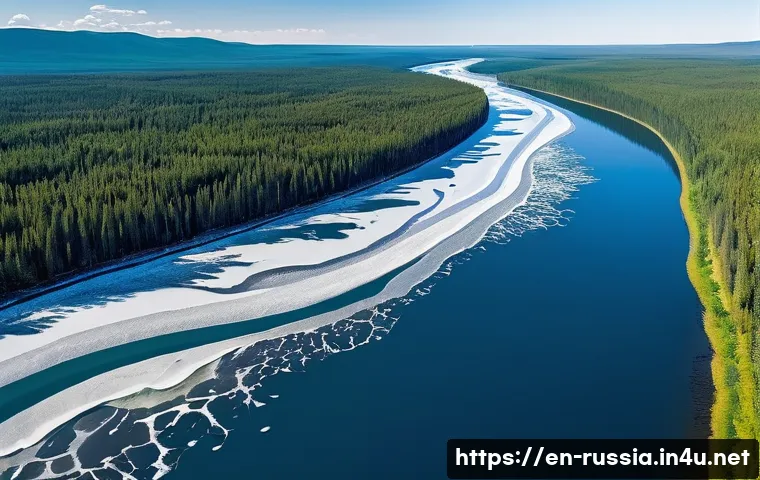
We’re talking about bodies of water that aren’t just geographical features, but vital lifelines, shaping culture, economy, and even the future of entire regions.
From the legendary Volga, which has seen its water levels drop dramatically in recent years due to climate change and human activity, threatening everything from shipping to fish populations, to the awe-inspiring Lake Baikal, the deepest and oldest freshwater lake on Earth, now grappling with the impacts of rising temperatures and pollution from increased tourism, these aquatic giants are facing unprecedented challenges.
But it’s not all doom and gloom. The push for year-round navigation on the Northern Sea Route, connecting key Arctic ports with major rivers like the Lena, Ob, and Yenisei, signals a huge shift in global trade and Russia’s strategic ambitions, opening up entirely new economic possibilities for the region.
You see, these aren’t just static features on a map; they are dynamic ecosystems and economic arteries that are constantly evolving, influencing everything from hydroelectric power generation to the delicate balance of unique biodiversity.
I’ve personally been following the news about ongoing federal projects like “Revitalisation of the Volga River” and “Preservation of Lake Baikal,” which aim to reduce wastewater discharges and modernize purification facilities, showing a real commitment to tackling these environmental issues.
It makes you think about how our actions, even far removed, can impact such grand natural wonders. Considering the global shifts and technological advancements, I often wonder about the future role of these majestic waterways.
Will they become even more central to international logistics, or will environmental concerns push for new, sustainable management strategies? One thing is for sure: understanding these vital veins of Russia is key to grasping both its past and its potential future.
Let’s dive deeper and uncover the fascinating stories and critical trends surrounding Russia’s magnificent rivers and lakes!
The Volga’s Enduring Legacy: A River of History and Modern Challenges
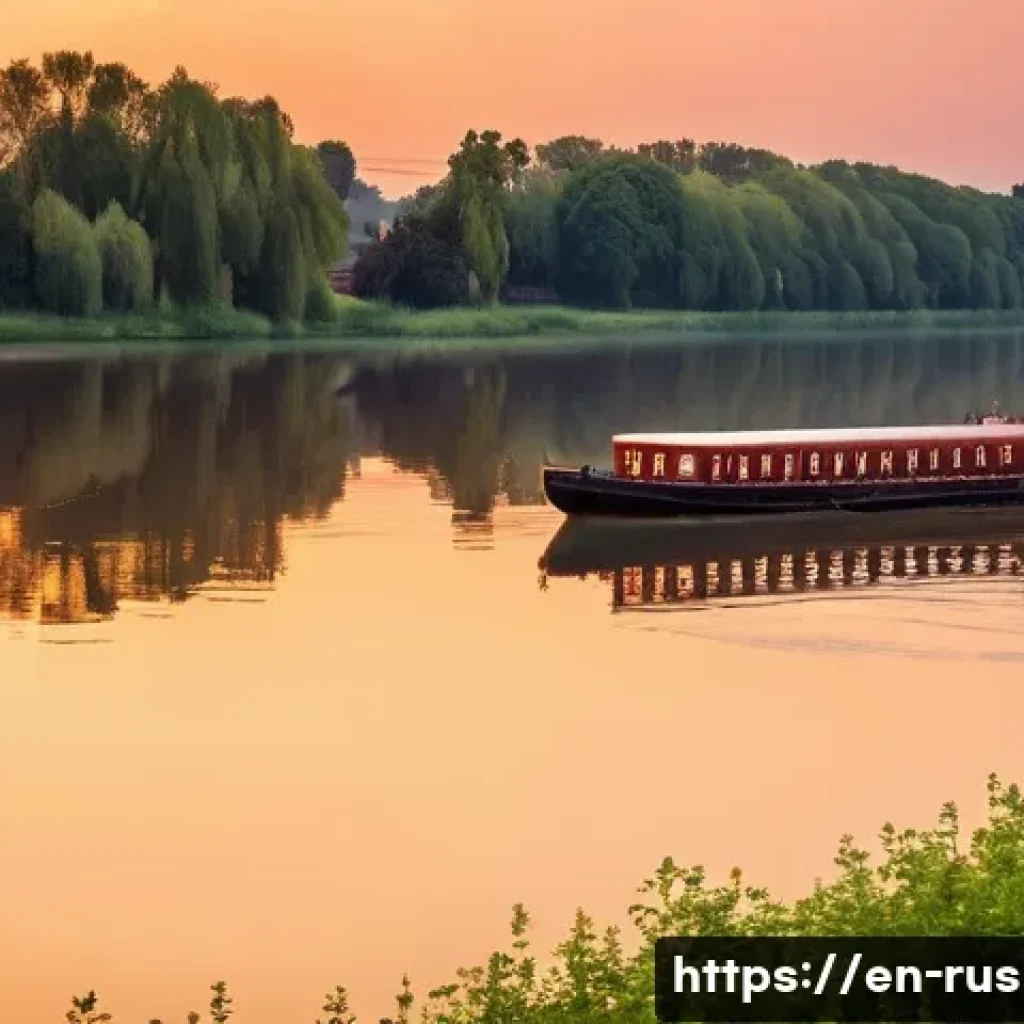
This river, honestly, it’s more than just water; it’s the very soul of Russia. When I think of the Volga, images of ancient trade routes, grand cathedrals, and bustling port cities immediately come to mind.
It’s truly a historical marvel that has shaped so much of this vast country’s narrative. But lately, when I’ve been reading the reports and looking at satellite images, it’s clear that this magnificent waterway is really facing some unprecedented hurdles.
I’ve been following the news about its water levels, which have unfortunately seen a dramatic decline in certain sections over the past decade. This isn’t just an abstract environmental issue; it directly impacts everything from the massive shipping industry, which relies on consistent depths, to the local fishing communities whose livelihoods are deeply intertwined with the river’s health.
You can feel the weight of these changes when you dig into the stories of the people living along its banks. It truly makes you appreciate how interconnected nature and human existence really are, especially when a river so central to a nation’s identity is under stress.
Navigating a Changing Landscape
It’s genuinely disheartening to see the challenges posed by reduced water levels. I’ve read so many accounts describing how barges are struggling to pass through certain stretches, leading to delays and increased transportation costs.
This isn’t just about moving goods; it’s about the entire economic backbone of regions that depend on the Volga for commerce. And let’s not forget the impact on irrigation for agriculture; when the river runs low, it directly threatens food security for millions.
It’s a complex web of environmental and economic pressures that really highlight the delicate balance we’re trying to maintain.
Conservation in Action: A Lifeline Revitalization
But it’s not all grim news, and that’s what gives me hope. I’ve been incredibly encouraged by the ongoing federal project, “Revitalization of the Volga River.” This initiative, which I’ve been tracking for a while, is a massive undertaking aimed at tackling these issues head-on.
The goals are ambitious: reducing wastewater discharges by a significant margin and modernizing purification facilities along its course. It’s a testament to a real commitment, an acknowledgment that this river is simply too important to lose.
I genuinely believe that these efforts, if sustained and properly funded, can make a profound difference and ensure the Volga continues to flow strong for generations to come.
Siberia’s Mighty Arteries: Gateways to the Arctic’s Future
When I first looked at a map of Siberia, I was absolutely awe-struck by the sheer scale of the Ob, Yenisei, and Lena rivers. These aren’t just rivers; they’re colossal forces of nature, carving through vast, often uninhabited, landscapes.
What really fascinates me is their pivotal role in Russia’s ambitious plans for the Arctic. Historically, they’ve been crucial for developing Siberia’s rich natural resources, enabling the transport of timber, minerals, and other vital goods from deep within the continent to the open sea.
I often find myself pondering the immense logistical challenges and triumphs involved in navigating these frozen giants for so many centuries. Now, with global climate shifts and the burgeoning interest in the Northern Sea Route, their importance is skyrocketing, positioning them as key arteries for future international trade and resource extraction.
It’s a strategic pivot that genuinely redefines their global significance, and frankly, it’s mind-boggling to think about the economic potential they unlock.
Connecting Continents: The Northern Sea Route
The vision of year-round navigation on the Northern Sea Route, linked with these colossal rivers, is something I find incredibly compelling. Imagine ships traversing the Arctic, then seamlessly connecting to inland waterways like the Lena, Ob, and Yenisei to reach markets deep within Russia and beyond.
It’s a game-changer for global logistics, potentially shaving weeks off traditional shipping routes between Asia and Europe. I’ve been reading up on the investments being made in icebreakers and port infrastructure, and it’s clear that Russia is seriously committed to making this vision a reality.
The economic implications are staggering, and it truly feels like we’re witnessing the dawn of a new era in maritime trade.
Resource Riches and Environmental Balances
Of course, with such immense potential comes significant responsibility. These rivers flow through some of the world’s most pristine and ecologically sensitive regions.
I’ve been following discussions about balancing the extraction of Siberia’s vast oil, gas, and mineral resources, which these rivers facilitate, with the imperative to protect their delicate ecosystems.
The sheer biodiversity in these remote areas is incredible, and I genuinely believe that sustainable practices are absolutely paramount. The challenge is immense, but the opportunity to develop these regions while safeguarding their natural heritage is something I sincerely hope they get right.
| Feature | Volga River | Lake Baikal | Yenisei River | Ob River |
|---|---|---|---|---|
| Primary Use | Shipping, Irrigation, Hydroelectricity | Freshwater Reserve, Tourism | Hydroelectricity, Shipping | Oil & Gas Transport, Shipping |
| Key Challenge | Water Level Decline, Pollution | Pollution, Climate Change Impacts | Ecosystem Alteration by Dams | Pollution, Permafrost Thaw |
| Unique Aspect | Longest river in Europe | Deepest and oldest freshwater lake | Fifth-longest river in the world | Major tributary to the Arctic Ocean |
Lake Baikal: Earth’s Deepest Secret and Its Modern Woes
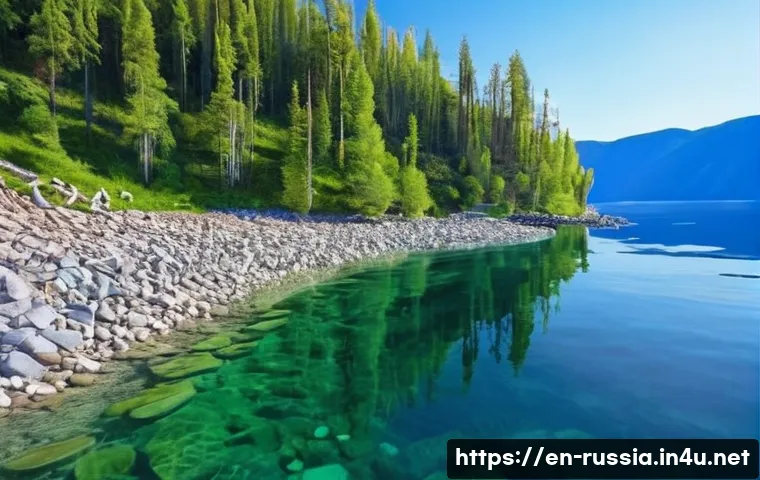
Oh, Lake Baikal! Honestly, every time I think about it, I get goosebumps. It’s not just a lake; it’s an ancient, living wonder, holding more freshwater than all of the North American Great Lakes combined.
When I first learned it was the deepest and oldest freshwater lake on Earth, teeming with unique species found nowhere else, I was absolutely captivated.
It’s truly a marvel of natural evolution, a vast, pristine sapphire embedded in the heart of Siberia. But like so many natural treasures around the globe, this magnificent body of water is facing a barrage of modern threats that genuinely concern me.
I’ve been keeping up with the news, and reports of rising temperatures, increased pollution from expanding tourism, and industrial activities are becoming more frequent and, frankly, more alarming.
It makes you wonder how long such an ancient ecosystem can withstand these contemporary pressures.
The Delicate Balance of Biodiversity
What really breaks my heart is thinking about the incredible biodiversity unique to Baikal. We’re talking about seals, fish, and microorganisms that have adapted over millions of years to this specific environment.
I’ve seen documentaries showcasing these creatures, and their existence is so intricately linked to the lake’s pristine conditions. When pollution enters the equation, or temperatures shift even slightly, it disrupts a delicate balance that took eons to achieve.
I believe that safeguarding these endemic species is not just an environmental issue, but a moral imperative, a responsibility we owe to the planet’s incredible evolutionary journey.
Tourism’s Double-Edged Sword
It’s truly a tricky situation with tourism around Baikal. On one hand, you want people to experience its breathtaking beauty and understand why it’s so important – it can foster a sense of stewardship.
On the other hand, the sheer influx of visitors, particularly in recent years, brings its own set of problems. I’ve read about the challenges with waste management, increased infrastructure development, and the strain on local resources.
It’s a classic dilemma: how do you share such a treasure without inadvertently harming it? I genuinely think thoughtful, sustainable tourism strategies are absolutely crucial here, ensuring that visitors leave only footprints and take away only memories.
Hydroelectric Power: Taming Russia’s Liquid Giants
It’s absolutely incredible to consider the sheer power inherent in Russia’s rivers, and how extensively it’s been harnessed for hydroelectricity. When I look at the vastness of the country and its immense energy needs, it makes perfect sense that harnessing these liquid giants would be a cornerstone of their power strategy.
We’re talking about some of the largest hydroelectric power stations in the world, built on rivers like the Yenisei, Angara, and Ob. The engineering feats involved in constructing these massive dams are truly awe-inspiring, a testament to human ingenuity.
I’ve often wondered about the sheer scale of the energy generated and how it fuels homes and industries across such a colossal landmass. It’s a powerful illustration of how natural resources can be transformed to meet societal demands, albeit with a complex set of trade-offs.
Energy Independence and Industrial Growth
From an economic standpoint, the role of hydroelectric power in Russia is absolutely pivotal. I’ve always understood that having a reliable and abundant source of domestic energy is fundamental for national security and industrial growth.
These hydro plants provide a stable base load of electricity, which is crucial for heavy industries and for maintaining a consistent power supply across vast distances.
It allows for a degree of energy independence that many nations can only dream of. I believe this strategic advantage has profoundly shaped Russia’s industrial landscape and its ability to develop its diverse regions.
Environmental Debates and Ecosystem Impacts
However, I’d be remiss if I didn’t acknowledge the significant environmental debates surrounding these monumental projects. While hydroelectric power is often touted as a clean, renewable energy source, the creation of vast reservoirs inherently alters river ecosystems in profound ways.
I’ve read countless articles discussing the impact on fish migration patterns, the loss of fertile land due to flooding, and changes in local microclimates.
It’s a complex ethical and environmental dilemma: balancing the undeniable benefits of clean energy with the ecological costs. It really forces us to confront the intricate relationship between human progress and the natural world, prompting us to ask if there are always ways to mitigate these impacts more effectively.
Conservation Efforts: A Race Against Time for Aquatic Health
Honestly, when I delve into the current state of Russia’s rivers and lakes, particularly in the context of global environmental shifts, I can’t help but feel a profound sense of urgency.
The sheer scale of the challenges, from industrial pollution that has plagued some waterways for decades to the more recent, accelerated impacts of climate change, is truly immense.
I’ve been following the various federal projects and regional initiatives, and it’s clear that there’s a growing understanding of the critical need for robust conservation efforts.
It’s a race against time, I believe, to protect these vital aquatic ecosystems not just for their inherent beauty and biodiversity, but for the millions of people whose lives and livelihoods are intertwined with their health.
Modernizing Infrastructure for Cleaner Water
One area where I see significant progress, or at least a committed effort, is in the modernization of purification facilities and wastewater treatment plants.
I’ve read about various projects, especially along the Volga and around Lake Baikal, aimed at drastically reducing the discharge of untreated wastewater.
This is absolutely critical. For so long, industrial and municipal waste has been a major culprit in degrading water quality. It’s a massive undertaking, requiring substantial investment and technological advancement, but I genuinely believe it’s one of the most direct and effective ways to turn the tide.
It’s inspiring to see this kind of practical, on-the-ground work taking shape.
Combating Climate Change and Permafrost Thaw
Beyond direct pollution, the insidious effects of climate change present an even more complex challenge. I’ve been particularly concerned about the impact of rising temperatures on permafrost, especially in Siberia, where many rivers flow.
As permafrost thaws, it can release ancient organic matter and even hazardous substances into rivers and lakes, altering their chemistry and potentially harming ecosystems.
It’s a feedback loop that’s incredibly difficult to manage. I think innovative research and monitoring are absolutely essential here, along with broader global efforts to curb emissions.
It’s a stark reminder that environmental challenges rarely exist in isolation; they’re interconnected on a global scale.
The Amur River: A Transboundary Ecosystem and Diplomatic Waterway
The Amur River holds a special place in my fascination with Russia’s waterways because it’s not just a national river; it’s a truly international one, forming a significant portion of the border between Russia and China.
This unique position imbues it with incredible ecological, economic, and geopolitical significance. I’ve always been intrigued by transboundary rivers and the complexities they present, and the Amur is a perfect example of a shared resource that demands cooperative management.
Its basin is home to an astonishing diversity of wildlife, including the critically endangered Amur tiger, which makes its health absolutely paramount from a global conservation perspective.
When I think about the vastness of its basin, spanning multiple countries, it really highlights how interconnected our planet’s ecosystems truly are, defying political borders.
Shared Waters, Shared Responsibilities
Managing a river that flows through, and forms the border of, two such powerful nations as Russia and China presents a unique set of challenges and opportunities.
I’ve read about the historical and ongoing efforts at joint environmental monitoring and resource management between the two countries. It’s a testament to the idea that some environmental problems, like river pollution or declining fish stocks, simply cannot be solved by one nation alone.
The Amur acts as a natural bridge, but also as a diplomatic arena, where cooperation is essential for mutual benefit and ecological preservation. I genuinely believe that successful joint stewardship here could serve as a valuable model for other transboundary waterways worldwide.
Biodiversity Hotspot Under Pressure
The Amur River basin is, without exaggeration, a biodiversity hotspot, and that’s something I find incredibly compelling. From the unique fish species that migrate its length to the vast wetlands that support migratory birds, its ecological value is immense.
However, like many major rivers globally, it’s under considerable pressure from agricultural runoff, industrial development, and habitat alteration. I often wonder about the future of its iconic species, like the Amur sturgeon, and what needs to be done to ensure their survival.
It requires a concerted, international effort, and a deep commitment to sustainable practices from both sides of the border, something I sincerely hope to see flourish.
글을 마치며
Whew, we’ve covered a lot of ground today, haven’t we? Exploring the mighty rivers and lakes of Russia truly reminds me of the incredible power and intricate beauty of our planet’s natural systems. From the ancient, life-giving currents of the Volga to the breathtaking depths of Lake Baikal, and the strategically vital arteries of Siberia, each waterway tells a unique story of history, culture, and environmental challenge. I genuinely hope this deep dive has given you a newfound appreciation for these incredible natural wonders and the complex issues they face. It’s truly a privilege to learn about these places, and I believe understanding their struggles and triumphs is a step toward fostering a more globally aware and environmentally conscious community. We’re all in this together, after all, and the health of these distant ecosystems ultimately impacts us all in ways we might not always immediately see.
알아두면 쓸모 있는 정보
1. Plan Your Visit Seasonally: For an unforgettable experience, consider visiting Lake Baikal during winter to witness its mesmerizing blue ice and unique ice formations, perfect for skating or ice driving adventures. However, if you prefer warmer weather and hiking, summer offers lush landscapes and opportunities for boat tours and swimming in designated areas. Each season presents a vastly different, yet equally stunning, perspective on this natural wonder. Make sure to check local guides for optimal timings for your preferred activities.
2. Engage with Local Eco-Tourism Initiatives: When exploring regions around the Volga or other major rivers, seek out local tour operators and accommodations that explicitly promote sustainable tourism. Many small businesses are deeply committed to preserving their environment and supporting local communities. Choosing these options not only minimizes your environmental footprint but also provides a more authentic cultural experience, allowing you to connect directly with the people who call these riverbanks home and hear their stories firsthand.
3. Monitor Conservation News Actively: If you’re passionate about environmental protection, keep an eye on international conservation efforts and news from organizations focusing on Russian waterways. Several global NGOs collaborate with local scientists and government bodies on projects related to the “Revitalization of the Volga” or Baikal preservation. Following their reports can offer valuable insights into ongoing challenges and successes, and even opportunities for getting involved or supporting their crucial work from afar. It’s a great way to stay informed and feel connected to the bigger picture.
4. Consider a River Cruise for a Unique Perspective: For a truly immersive experience of the Volga’s historical and cultural significance, embarking on a multi-day river cruise is absolutely unparalleled. These cruises often stop at ancient cities like Kazan, Samara, and Volgograd, offering guided excursions that delve into Russia’s rich past and vibrant present. It’s an incredibly relaxed way to see a vast stretch of the country, understand its geography, and witness daily life along the riverbanks, all from the comfort of a floating hotel. You get to wake up to a new view every day!
5. Be Mindful of Your Footprint, Especially in Remote Areas: When venturing into more pristine regions, particularly around the Siberian rivers or Baikal, remember to practice Leave No Trace principles rigorously. This means packing out everything you pack in, staying on marked trails, and respecting local wildlife. These ecosystems are incredibly fragile, and even small actions can have a cumulative impact. Your thoughtful approach helps preserve these irreplaceable natural treasures for future generations and ensures that their raw beauty remains untouched. It’s a simple but profound way to show respect for nature.
중요 사항 정리
After diving deep into the majestic waterways of Russia, it’s clear these aren’t just geographical features; they are the lifeblood of a nation, embodying its history, powering its economy, and nurturing its diverse ecosystems. The Volga’s enduring legacy, Siberia’s mighty arteries, and the ancient wonder of Lake Baikal all highlight a delicate balance between human development and environmental preservation. We’ve seen how large-scale hydroelectric projects offer energy independence but also bring complex ecological trade-offs, and how persistent pollution and the looming threat of climate change demand urgent and coordinated conservation efforts. Ultimately, the story of Russia’s rivers and lakes is a powerful reminder of our shared responsibility to protect these vital aquatic health systems for both their intrinsic value and for the countless lives that depend on their health and vitality. It’s a story that truly resonates with me, and I hope it does with you too.
Frequently Asked Questions (FAQ) 📖
Q: uestionsQ1: What are the biggest environmental threats currently facing Russia’s iconic waterways like the Volga River and Lake Baikal, and what are we seeing happen on the ground?
A: It truly hits you when you see the headlines about the environmental struggles of these magnificent waterways. For the Volga River, Russia’s largest shipping artery, the situation is becoming increasingly dire.
Just this spring in 2025, I read reports that the Volga became alarmingly shallow in many areas, a huge concern for shipping, water quality, and the entire ecosystem.
The biggest culprits? A combination of climate change, which means less rainfall, and human activity. We’re talking about diffuse runoff from cities, untreated sewage flowing in from residential areas and factories, and agricultural waste that all contribute to a cocktail of pollution, including copper, iron, and even zinc, that’s just choking the river.
This isn’t just about dirty water; it’s about a fundamental change in the river’s rhythm, with the cascade of reservoirs transforming what should be a vibrant flow into a series of shallow, almost swampy lakes in some places.
I mean, sturgeon numbers have plummeted tenfold over the last three decades, and the Caspian Sea, where the Volga empties, is shrinking at an alarming rate.
It’s a stark reminder of how interconnected everything is. Then there’s Lake Baikal, the “Galapagos of Russia” and the deepest, oldest freshwater lake on Earth.
It’s truly a marvel, holding 20% of the world’s freshwater! But even this pristine wonder isn’t immune. I’ve been following the news closely, and it seems ongoing pollution, especially from a boom in large-scale tourism without adequate infrastructure, is a massive problem.
Can you imagine such crystal-clear waters now grappling with poor sewage treatment, leading to something called nearshore eutrophication? It literally means the lake is becoming choked with algae in its shallower parts, threatening its unique biodiversity.
There are also lingering issues from past industrial sites, and even new threats like a controversial logging bill, which, if passed, could allow clear-cutting in areas crucial for the lake’s health.
It’s heartbreaking to think that 42 out of 44 wastewater treatment plants around the lake reportedly aren’t functioning as they should, leading to fecal runoff directly into Baikal.
The delicate balance is so easily disturbed, and it truly drives home how much pressure these natural wonders are under.
Q: How is the Northern Sea Route (NSR) truly shaking up global trade and what does it mean for Russia’s long-term strategy?
A: Oh, the Northern Sea Route! This is where things get really fascinating, and frankly, a bit mind-boggling when you think about the sheer scale of it. From what I’ve been tracking, the NSR is absolutely gaining traction, primarily because our planet’s climate change is melting the Arctic ice at an accelerated pace, opening up what was once an impassable route.
When you compare it to the traditional Suez Canal route, the NSR can cut shipping times between Europe and Asia by a whopping 40% – we’re talking about shaving off 10 to 15 days from a typical journey!
That’s huge for logistics and supply chains, isn’t it? Russia sees this as a golden opportunity, and honestly, they’re pouring massive resources into making it a fully competitive global transport route.
They’re investing heavily in infrastructure, building new fleets of powerful icebreakers, developing modern port facilities, and setting up crucial logistics centers all along the route.
I mean, China-Russia traffic along the NSR practically doubled in 2025 alone, with container shipping volumes expected to soar to over 400,000 tons! This isn’t just about moving goods; it’s a massive strategic play.
The NSR is a key piece in Russia’s “Transarctic Transport Corridor” and also plays into the broader “North-South International Transport Corridor”. It’s about developing the vast Arctic regions, boosting Russia’s geopolitical influence, and opening up entirely new economic avenues, especially with Asian markets.
They’re even planning to construct 25 new water transport facilities by 2036, with 17 of them being modern seaports, prioritizing the Arctic and the Far East.
It’s a bold move to re-orient global trade flows, and it’s happening right before our eyes. However, I’ve also seen the serious concerns. Operating in such a harsh, remote environment comes with unpredictable ice conditions and limited emergency infrastructure, making it a risky venture for international shippers.
Plus, the fact that most of the NSR passes through Russian territorial waters and requires their approval for passage is a sticky point for many Western nations who argue for international waters status.
And let’s not forget the environmental toll; research suggests that while shorter routes could offer benefits, the sheer volume of heavy emitters like oil and gas tankers, coupled with potentially induced shipping demand, could lead to a significant surge in Arctic maritime emissions, creating a new climate hotspot.
It’s a complex picture with immense potential but also very real challenges.
Q: What efforts are currently underway to protect these vital aquatic ecosystems, and what does the future truly hold for them amidst these challenges?
A: Despite the daunting challenges, it’s not all doom and gloom; there’s a strong push for preservation that I find genuinely inspiring. For the Volga River, there’s a huge federal initiative, the “Revitalisation of the Volga River” project.
While I’ve seen reports that its initial phases faced some significant hurdles, with some wastewater treatment facilities not being completed or failing to meet environmental standards, there’s still momentum.
In fact, the government has been pushing to build and upgrade purification facilities, and they’ve reported a 30% reduction in untreated runoff in some areas.
What’s really promising is the plan for a new, unified federal project starting in 2025, which aims to extend these efforts across the entire Volga basin, including major tributaries like the Oka and Kama.
This comprehensive approach gives me hope that they’re really starting to grasp the full scope of the problem. For Lake Baikal, the efforts are equally passionate.
As a UNESCO World Heritage Site, it garners a lot of international attention and local dedication. The “Preservation of Lake Baikal” federal project is actively working on constructing and modernizing purification facilities, aiming to significantly cut down wastewater discharges.
I personally follow organizations like the Lake Baikal Foundation, and they’re doing amazing work with local youth councils on initiatives like “Trash Free National Parks” and advocating against damaging legislation, like the recent logging bill.
The closure of the Baikalsk Paper and Pulp Mill years ago was a huge victory, and remediation efforts are ongoing to clean up that legacy. These actions, coupled with the ongoing scientific research and monitoring of its unique species, are absolutely critical.
Looking to the future, I feel a mix of cautious optimism and a sense of urgency. On the one hand, Russia is making significant investments in its waterways, not just for protection but also for economic development.
The new modular shipbuilding system, “Platform No. 1,” for example, promises to modernize their river-sea fleet, making logistics more efficient. There’s even talk of a massive “Eurasia Canal” mega-project to create a deeper connection between the Caspian and Black Seas, potentially unlocking enormous trade benefits for the region, though I’m sure that comes with its own set of intense environmental scrutiny.
The key, as I see it, will be in truly balancing these ambitious economic developments with robust, transparent environmental safeguards. It’s a race against time, but the growing awareness and the dedication of people on the ground, both within government and civil society, make me believe that there’s a fighting chance to preserve these majestic waterways for generations to come.