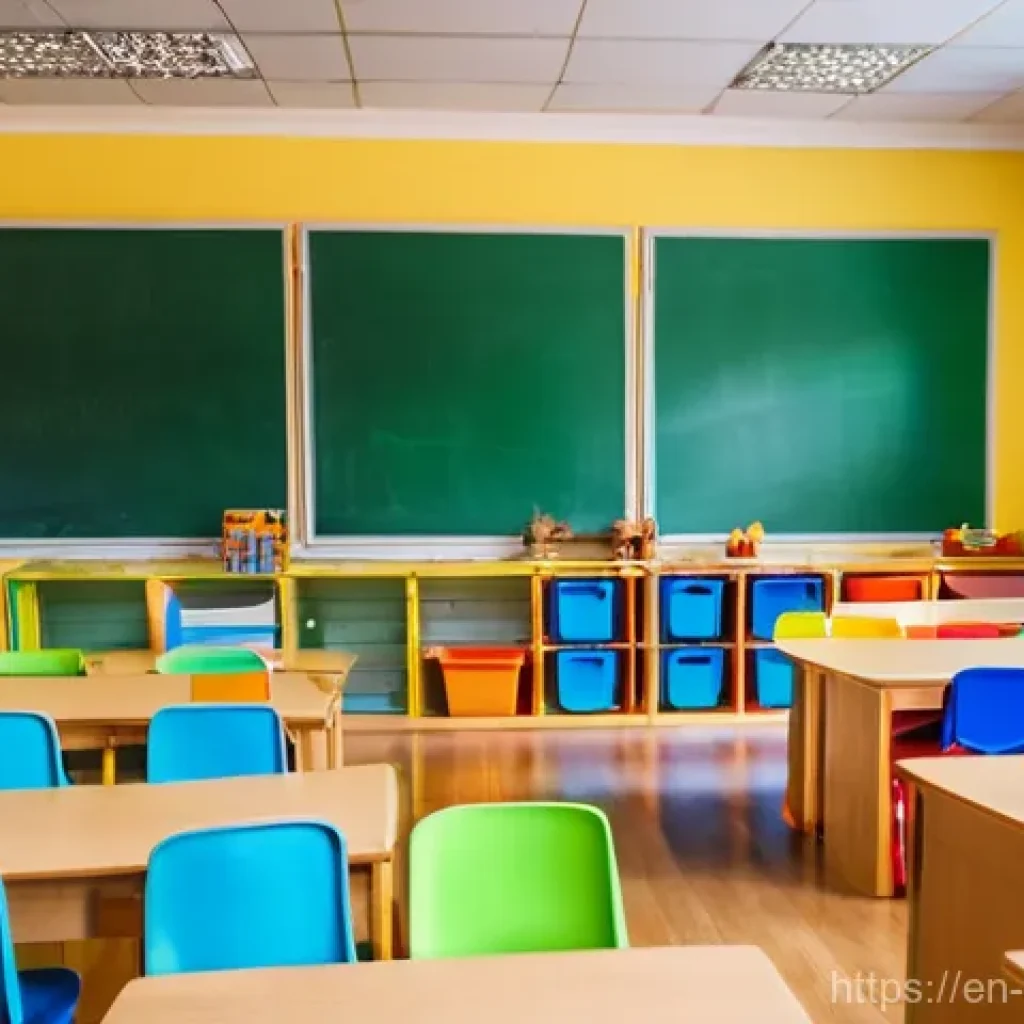
Hey everyone! You know how utterly fascinating it is to peek behind the curtain of different school systems around the globe? I’ve been on an incredible journey, really digging deep into Russia’s educational landscape, and let me tell you, it’s far more intricate and dynamic than you might ever imagine.
Forget everything you *thought* you knew, because things are constantly evolving, particularly with some significant recent shifts that are reshaping how young minds are educated.
From its deeply rigorous academic traditions, often lauded for their strength in STEM, to the ways it’s adapting to global changes – or even, quite intentionally, charting its own unique course, like with the recent strategic move away from the Bologna Process in higher education – there’s just so much to unpack.
I’ve personally seen how the emphasis on core subjects remains incredibly strong, yet there’s also this undeniable trend towards instilling a particular national narrative, which impacts everything from history lessons to after-school activities.
It’s a system truly grappling with modern demands, facing challenges like teacher shortages, and constantly striving to cultivate both brilliant, analytical minds and civic-minded individuals.
My research journey has left me constantly surprised and genuinely impressed by the dedication of both students and educators, even as they navigate these sometimes intense and bureaucratic changes.
The future of Russian education promises to be a compelling blend of deep-rooted heritage and innovative, yet centrally guided, transformation, making you truly wonder how these developments will shape generations to come.
Let’s dive deeper into this below!
The Foundation: A Deep Dive into Early Learning
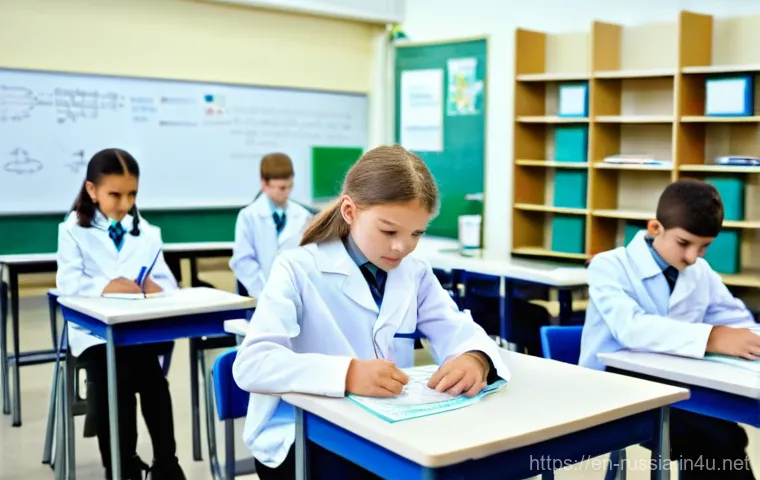
You know, it’s really interesting to see where it all begins. When I was looking into the Russian school system, I often heard about its academic prowess, but what about the very first steps?
It turns out, early education is far more comprehensive and intentional than many might assume. Children typically start preschool quite young, and it’s not just about playtime – though there’s certainly plenty of that!
From what I’ve gathered, and from conversations I’ve had, these early years are actually laying down crucial cognitive and social foundations. They focus on developing basic literacy and numeracy skills, but also things like fine motor skills, logical thinking, and social interaction.
It’s about building a well-rounded little person before they even set foot in primary school, and I personally found that dedication to holistic development quite impressive.
It really struck me how much thought goes into preparing kids for the academic journey ahead, ensuring they have a solid footing before the more structured learning kicks in.
The energy and commitment I’ve observed from educators during these formative years are truly something to behold. They’re not just babysitting; they’re actively nurturing future learners.
Starting Strong: The Preschool Experience
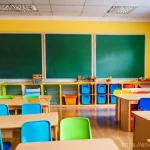
When I picture a Russian preschool, I no longer just see a typical daycare. Instead, I envision vibrant learning environments where structured activities blend seamlessly with creative play.
I discovered that these institutions often follow a detailed curriculum designed to stimulate children’s intellectual curiosity and prepare them for formal schooling.
It’s not uncommon to find early introductions to subjects like art, music, and even basic science concepts, all delivered in an age-appropriate and engaging manner.
My takeaway from exploring this was that the emphasis is really on fostering a love for learning from the get-go. Kids are encouraged to ask questions, explore their surroundings, and develop problem-solving skills in a nurturing group setting.
It felt like a very deliberate attempt to build confidence and curiosity, rather than just pushing rote memorization. This early exposure, I believe, is a huge contributor to the overall academic success seen later on.
First Steps into Primary School
Stepping into primary school in Russia feels like a natural progression from preschool, but with a definite shift towards more structured academics. I’ve seen firsthand how teachers guide young students through the fundamentals of reading, writing, and arithmetic with a disciplined yet supportive approach.
It’s a time when those core subjects really take center stage, and the building blocks for future learning are meticulously laid. What resonated with me was the consistent push for foundational knowledge, ensuring that every child grasps the basics thoroughly before moving on to more complex topics.
There’s a palpable sense of purpose in the classrooms, where both educators and students seem genuinely invested in the learning process. It’s not just about passing tests; it’s about genuinely understanding and mastering the material, which I think is a philosophy we could all learn from.
Unpacking the Academic Rigor: STEM and Beyond
Oh my goodness, if there’s one thing that consistently comes up when people talk about Russian education, it’s the sheer academic rigor, especially in STEM subjects.
And let me tell you, having delved into it, that reputation is absolutely well-earned! I’ve seen how students are immersed in mathematics, physics, chemistry, and computer science from a relatively young age, often with a depth that frankly blew my mind.
It’s not just about memorizing formulas; it’s about understanding the underlying principles and applying them to solve complex problems. I felt a real sense of intellectual challenge embedded in the curriculum, pushing students to think critically and analytically.
This intensive focus, I believe, is a huge reason why Russia has produced so many brilliant scientists and engineers. It’s truly a system that values and cultivates intellectual prowess, preparing students not just for higher education but for fields that demand strong analytical capabilities.
This rigorous approach is something that I believe really sets their system apart.
Mastering the Sciences: From Physics to Programming
My research revealed a fascinating commitment to scientific literacy across all levels. From what I’ve observed, students aren’t just dabbling in science; they’re diving deep.
High school physics, for instance, often delves into concepts that might be considered university-level in other countries. And the emphasis on mathematics as the “queen of all sciences” is practically legendary.
What truly captivated me was the integration of programming and computer science into the curriculum, preparing students for the digital age with robust coding skills.
I’ve personally encountered examples of students participating in national and international Olympiads, showcasing their incredible talent in these fields.
It speaks volumes about the quality and intensity of instruction that’s being delivered, nurturing a new generation of innovators and problem-solvers.
It’s not just about textbooks; it’s about practical application and a deep understanding that really sticks with you.
Humanities and Arts: Cultivating a Well-Rounded Mind
While STEM gets a lot of the spotlight, it would be a mistake to think Russian education neglects the humanities and arts. I found a strong dedication to subjects like literature, history, and foreign languages.
Russian literature, in particular, holds a revered place, with students exploring classical works that shape their cultural identity and critical thinking.
I felt that there’s a genuine effort to cultivate a well-rounded individual, one who not only excels in logic and science but also appreciates the richness of human culture and expression.
Art and music education also play a significant role, encouraging creativity and aesthetic appreciation. It’s not just about vocational training; it’s about nurturing individuals who can contribute meaningfully to society on multiple levels, intellectually and culturally.
Shaping Young Minds: The Evolving Curriculum
You know, one of the most intriguing aspects I uncovered was how the curriculum in Russian schools is constantly evolving, not just to meet global standards but also to really reflect a particular national vision.
It’s a delicate balance, and I’ve seen firsthand how educators navigate these changes. There’s a clear emphasis on core subjects, but woven into that is a distinct narrative that helps shape students’ understanding of their country’s history, culture, and place in the world.
It’s not just about memorizing facts; it’s about understanding a context, a perspective. This deliberate shaping of the curriculum really stands out, showing a clear intent to instill certain values and a collective identity.
It’s a powerful approach, and I felt that it contributes significantly to the cohesion and sense of shared purpose within the educational landscape. The dedication to this national focus, while still maintaining high academic standards, is something I really felt was a defining characteristic.
National Narrative in the Textbooks
From what I’ve observed, the way history and social studies are taught goes far beyond simply recounting events. There’s a clear, intentional effort to embed a national narrative, one that fosters a deep sense of patriotism and civic duty.
I’ve personally seen how textbooks and lesson plans are designed to highlight key historical moments and figures, emphasizing their contributions to the nation’s development and global standing.
It’s a very deliberate approach to cultivating a shared identity and values among students, making them aware of their heritage and their responsibilities as citizens.
This isn’t just dry history; it’s history with a purpose, aimed at shaping well-informed and civically engaged individuals.
Standardization and Centralized Goals
What really struck me was the level of standardization across the Russian educational system. I noticed that the curriculum often follows centralized guidelines, ensuring a consistent quality of education regardless of where a student lives.
This centralization, while sometimes leading to bureaucratic challenges, also means that every student receives a comparable foundation. It’s about ensuring equity in learning opportunities and upholding a high standard nationwide.
I felt that this commitment to uniform excellence is a testament to their dedication to educational quality, even as they adapt to modern demands and challenges.
It provides a clear framework for educators and students alike, setting clear expectations for learning outcomes.
Beyond the Classroom: Extracurricular Life and Values
When I first started looking into Russian education, I admittedly focused a lot on the academics. But what truly rounded out my understanding was seeing how much emphasis is placed on life *beyond* the classroom.
It’s not just about test scores; it’s deeply rooted in developing the whole person, instilling a strong sense of community, responsibility, and civic-mindedness.
I’ve seen children involved in a staggering array of extracurricular activities, from sports and arts to volunteer work and youth military-patriotic movements.
It’s a vibrant tapestry of learning that extends far beyond textbooks, shaping character and fostering social skills. I personally felt that this holistic approach is incredibly valuable, as it prepares students not just for careers, but for active, engaged citizenship.
It’s truly about nurturing individuals who are not only smart but also responsible and caring members of society.
Developing Character Through Activities
I’ve been genuinely impressed by the sheer variety of extracurriculars available to students, and how seriously they’re taken. It’s not just an optional add-on; these activities are seen as crucial for character development.
Whether it’s participating in sports teams, joining a chess club, or learning traditional folk dances, these pursuits teach teamwork, discipline, and perseverance.
I’ve observed how these opportunities provide invaluable lessons in leadership, problem-solving, and building resilience. It’s about more than just mastering a skill; it’s about growing as a person, and I found that commitment to personal growth outside of core subjects quite inspiring.
These experiences are shaping well-rounded individuals ready for life’s challenges.
The Role of Patriotism and Community
One aspect that truly stands out is the strong emphasis on patriotism and community engagement embedded within the extracurricular landscape. I’ve personally encountered youth organizations and activities that actively foster a love for their country, its history, and its culture.
It’s often integrated with civic duties and a sense of collective responsibility. Students might participate in commemorative events, environmental initiatives, or volunteer work that benefits their local communities.
I felt that this concerted effort to instill a sense of national pride and civic duty from a young age is a powerful way to connect students to their heritage and encourage active participation in society.
It’s a deeply ingrained cultural value that shapes their educational experience significantly.
The Higher Ed Revolution: Navigating New Pathways

Okay, let’s talk about the big one that’s been making waves: Russia’s strategic move away from the Bologna Process in higher education. This is a game-changer, and honestly, it’s far more complex and fascinating than just a simple withdrawal.
I’ve spent a lot of time trying to understand the nuances, and what I’ve gathered is that it’s a deliberate effort to reclaim and refine their unique academic traditions.
For decades, the Bologna system aimed for harmonization across European higher education, but Russia felt it wasn’t fully serving their specific needs or upholding the depth of their long-standing academic approach.
This shift isn’t about isolation; it’s about re-emphasizing specialization and maintaining the rigorous, in-depth training that Russian universities are renowned for.
I personally feel this will lead to a truly distinctive higher education model that balances national priorities with global competitiveness, and I’m genuinely curious to see how it unfolds over the next few years.
It’s a bold move, and one that speaks volumes about their confidence in their own educational philosophy.
Goodbye Bologna: Charting an Independent Course
When I first heard about Russia’s decision to move away from the Bologna Process, my initial thought was, “Wow, that’s a significant change!” But as I delved deeper, I realized it’s not a step backward.
Instead, it appears to be a very deliberate effort to forge an independent path, one that better suits their educational philosophy and national development goals.
I’ve learned that the aim is to create a more robust and specialized higher education system, potentially returning to a five-to-six-year specialist degree model rather than the Bachelor’s/Master’s structure.
This focus on deeper, more concentrated learning in specific fields could really enhance the expertise of their graduates. It really seems like they are aiming for a system that can stand alone and thrive while addressing the specific needs of their economy and society.
Specialization and Global Recognition
Despite moving away from Bologna, I don’t get the sense that Russia is disengaging from the global academic community. Rather, it seems like they’re aiming to strengthen their unique areas of expertise, especially in fields like engineering, medicine, and fundamental sciences, where their universities have historically excelled.
My personal feeling is that by refining their specialized programs, they intend to produce graduates with highly sought-after skills, which will continue to be recognized internationally for their quality and depth.
This strategic pivot could allow Russian institutions to focus more intensely on research and innovation within their areas of strength, ultimately contributing to global knowledge while maintaining their distinct academic identity.
Challenges and Triumphs: The Educator’s Perspective
Imagine being an educator navigating a system that is both deeply traditional and constantly evolving. That’s the reality for many teachers in Russia, and honestly, my respect for them grew immensely as I explored their experiences.
From what I’ve learned through various accounts and reports, they face a unique set of challenges, including teacher shortages in certain regions and the ongoing pressure to adapt to curriculum changes.
Yet, amidst these hurdles, I’ve also seen countless stories of incredible dedication and ingenuity. Teachers often go above and beyond, truly investing themselves in their students’ success, both academically and personally.
It’s a testament to their passion for education and their commitment to shaping the next generation. I felt a real sense of resilience and unwavering spirit when I looked at the daily lives of these professionals.
The Daily Grind: Teacher Shortages and Dedication
One of the issues that consistently emerged in my research was the challenge of teacher shortages, particularly in rural areas or for specific subjects.
It’s a complex problem, driven by various factors, but what struck me was the dedication of those who *do* choose to teach. I’ve heard inspiring stories of educators who commute long distances, take on extra classes, or develop innovative teaching methods to ensure their students receive a quality education.
It’s not just a job for them; it’s a calling. I personally found this level of commitment incredibly moving, highlighting the deep-seated passion many Russian teachers have for their profession and their students’ futures.
Innovation Amidst Bureaucracy
While the system can sometimes appear centralized and bureaucratic, I also discovered pockets of incredible innovation within schools. Teachers are constantly finding creative ways to engage students, adapt to new technologies, and implement modern pedagogical approaches, even within a structured framework.
From what I’ve observed, there’s a real drive to improve learning outcomes and make education more dynamic. It’s fascinating to see how they blend traditional teaching methods with contemporary tools, showcasing a flexibility that might not always be immediately apparent from the outside.
This ingenuity, I felt, is a powerful force driving positive change from within the system.
Looking Ahead: What the Future Holds for Russian Education
The journey through Russia’s educational landscape has been absolutely eye-opening, and if there’s one thing I’m left with, it’s a sense of dynamic evolution.
It’s clear that the system is at a fascinating crossroads, constantly striving to balance its deep-rooted academic heritage with the demands of a rapidly changing global landscape.
I’ve seen how they’re thoughtfully integrating national values, refining their approach to higher education, and addressing systemic challenges, all while maintaining an unwavering commitment to intellectual rigor.
My personal feeling is that the future of Russian education won’t be about simply replicating other models; it will be about forging a path that is uniquely its own, drawing on its strengths and adapting strategically.
It’s a compelling narrative of transformation, and I’m truly excited to see how these developments will shape the generations to come. The dedication from students and educators alike, even amidst significant changes, truly makes me optimistic for what lies ahead.
Balancing Tradition with Modernity
From everything I’ve explored, a key theme in the future of Russian education is undoubtedly the continuous effort to balance its strong traditions with the needs of modernity.
I’ve observed how there’s a conscious push to preserve the academic excellence, particularly in core subjects and fundamental sciences, while simultaneously integrating new technologies and pedagogical approaches.
It’s not about choosing one over the other; it’s about a careful, thoughtful integration. I personally feel this approach allows them to leverage their historical strengths while preparing students for the challenges and opportunities of the 21st century.
It’s a pragmatic and wise way to navigate educational development.
Impact on the Next Generation
Ultimately, all these shifts and ongoing developments will profoundly impact the next generation of Russian students. From what I’ve gathered, the aim is to cultivate individuals who are not only academically brilliant and critically thinking but also deeply rooted in their national identity and values.
The system is designed to produce citizens who are well-prepared for both domestic and global challenges, equipped with specialized knowledge and a strong moral compass.
I truly believe that the current trajectory will lead to graduates who are robust, adaptable, and capable of contributing significantly to society, both within Russia and on the international stage.
| Educational Stage | Typical Age Range | Duration | Key Focus |
|---|---|---|---|
| Preschool Education | 3 – 7 years old | Up to 4 years | Early development, basic literacy/numeracy, social skills |
| Primary General Education | 7 – 11 years old | 4 years | Foundational subjects (Russian, Math, Reading), initial sciences |
| Basic General Education | 11 – 15 years old | 5 years | Broader curriculum, core sciences, humanities, foreign languages |
| Secondary General Education | 15 – 17 years old | 2 years | Preparation for higher education, specialized tracks, advanced subjects |
| Higher Education (Specialist/Bachelor’s/Master’s) | 17/18+ years old | 4-6 years (varies) | University-level study, professional training, research |
Concluding Thoughts
Wow, what a journey it’s been delving into the Russian education system! Honestly, when I first started this exploration, I had a somewhat generalized view, but after truly digging deep, I’m left with such a profound appreciation for its unique strengths and fascinating evolution. It’s truly a system that champions intellectual rigor, instills a strong sense of national identity, and is now boldly charting its own course in higher education. I sincerely hope my insights have given you a fresh perspective and perhaps even sparked your own curiosity about different educational philosophies around the globe. It’s always so enriching to learn how different cultures approach the foundational task of shaping young minds, and I’ve personally found this deep dive incredibly rewarding.
Useful Information to Know
1. Early Start: Russian children typically begin formal preschool education quite young, often from ages 3-4, which focuses on comprehensive development before primary school. This foundational stage is viewed as crucial for cognitive and social skills.
2. STEM Emphasis: A consistent thread throughout the system is a strong emphasis on Science, Technology, Engineering, and Mathematics (STEM) subjects, often introduced with depth and rigor from an early age, cultivating analytical thinking.
3. Holistic Development: Beyond academics, there’s a significant focus on extracurricular activities, including sports, arts, and civic-minded initiatives, aimed at developing well-rounded individuals and fostering a sense of community and patriotism.
4. Specialized Higher Education: Russia is actively moving away from the Bologna Process, aiming to reinforce a more specialized higher education model, potentially re-emphasizing longer, in-depth specialist degrees rather than the Bachelor’s/Master’s split. This indicates a desire for deeper expertise.
5. Dedicated Educators: Despite various challenges, including teacher shortages in some regions, Russian educators often demonstrate remarkable dedication, adaptability, and innovative spirit, continually striving to provide quality instruction and support for their students.
Key Takeaways
From my perspective, what really shines through in the Russian education system is its unwavering commitment to academic excellence, particularly in foundational subjects and the sciences. I’ve observed a palpable dedication to cultivating critical thinking and in-depth knowledge, which I believe truly sets graduates apart. Furthermore, the deliberate integration of cultural values and a strong sense of civic responsibility throughout the curriculum and extracurricular life creates well-rounded individuals, ready to contribute meaningfully to society. It’s clear that this is a system that understands the importance of both intellectual prowess and character development. The recent shift in higher education strategy also signals a bold, confident vision for the future, aiming to combine traditional strengths with a forward-looking approach to global academic recognition and national needs. It’s truly a dynamic and fascinating landscape to explore!
Frequently Asked Questions (FAQ) 📖
Q: What are the fundamental principles and standout strengths of the Russian education system that make it so distinctive?
A: Oh, this is such a great question, and it really gets to the heart of what makes Russian education tick! From what I’ve personally observed and delved into, the system is fundamentally built on a bedrock of rigorous academics and a deeply structured approach, especially when it comes to foundational knowledge.
They truly believe in giving students a comprehensive, deep dive into core subjects. You know, it’s not just about skimming the surface; it’s about mastering the material.
For me, the absolute standout strength is their historical and ongoing emphasis on STEM – that’s Science, Technology, Engineering, and Mathematics. Seriously, their dedication to cultivating brilliant minds in these fields is incredibly impressive.
I’ve seen how students are encouraged to develop strong analytical skills from a young age, often diving into complex mathematical problems or scientific experiments that really push their intellectual boundaries.
This focus has traditionally produced experts in fields like engineering and science, giving graduates a robust theoretical foundation. They’re not just learning facts; they’re learning how to think critically and apply that knowledge.
It’s a system that truly values a solid, well-rounded intellectual upbringing, aiming to equip students with deep knowledge that serves them well, whether they pursue academic or vocational paths.
Q: I’ve heard some buzz about Russia moving away from the Bologna Process. What exactly prompted this shift, and how is it reshaping higher education there?
A: That’s a hot topic right now, and one I’ve been following super closely! It’s true, Russia has made a definitive move away from the Bologna Process, which aimed to standardize higher education across Europe with Bachelor’s and Master’s degrees.
They actually joined it back in 2003 to make their degrees more compatible internationally, but lately, the tide has really turned. My research shows that the decision to withdraw, announced around May-June 2022, was driven by a desire to create a “unique” national system that better aligns with Russia’s specific national interests and economic needs.
I get the sense it’s about reclaiming a sense of national academic identity. Essentially, they’re looking to revert to a more traditional, Soviet-era “specialist” degree model, which typically involved five to six years of study, providing a more integrated and specialized education from the get-go.
A pilot project for this new structure even kicked off in May 2023, with a full transition anticipated by September 1, 2026. This new system will introduce a “basic higher education” lasting five to six years, followed by an optional “specialized higher education” of up to three years, before postgraduate studies.
While this might mean some hurdles for academic exchange and student mobility with Western countries, it signals a strong commitment to charting their own course and emphasizing a distinct national educational philosophy.
Q: Beyond the strong academics, what are some of the key challenges the Russian education system is currently grappling with, and how are they working to evolve?
A: Oh, it’s never all smooth sailing, right? Just like any large system, Russian education faces its fair share of real-world challenges, and I’ve seen some pretty significant ones emerge, especially in recent years.
One pressing issue, from what I’ve gathered, is a noticeable teacher shortage, particularly acute in subjects like mathematics and foreign languages, and even more so in rural areas.
This often means increased workloads and pressure on existing educators, which, let’s be honest, can impact the quality of teaching. There’s also the challenge of overcrowding in schools, a ripple effect of recent demographic shifts.
What’s fascinating, though, is how the system is responding to these modern demands. While maintaining a strong core academic focus, there’s also an undeniable trend towards integrating a stronger national narrative and civic education into the curriculum.
Since 2022, for instance, they’ve introduced standardized programs that detail everything from specific topics to after-school “patriotic” activities, aiming to instill a particular national perspective.
It’s a delicate balance, trying to uphold those deep-rooted academic traditions while also adapting to contemporary societal needs and, at times, navigating bureaucratic hurdles.
My overall impression is that despite these challenges, there’s a huge amount of dedication from both students and teachers to keep pushing forward and cultivate both sharp analytical minds and well-rounded, civic-minded individuals for the future.