You know, when I think about how people spend their free time, Russia always sparks my curiosity. It’s a country so vast and rich in history, you can’t help but wonder what keeps its people buzzing outside of work.
From tranquil countryside escapes to vibrant city experiences, the ways Russians unwind are just as diverse and captivating as their homeland itself. I’ve personally found their blend of deep-rooted traditions and modern pastimes absolutely fascinating.
So, if you’re eager to discover the real pulse of Russian daily life, you’ve come to the right place. Having explored countless cultures, I can tell you that Russian leisure is truly unique.
It’s not just about what they *do*, but how deeply their activities are woven into their history and seasons. You’ll find everything from the classic dacha culture, where families embrace gardening and gather for heartwarming shashlyk, to the adrenaline-pumping world of ice hockey and burgeoning tech-driven fitness trends.
What really stands out, based on what I’ve seen and researched, is how many Russians cherish their natural landscapes, whether it’s mushroom picking in autumn forests or cross-country skiing through a winter wonderland.
They genuinely connect with their surroundings. Plus, there’s a strong emphasis on community – think lively gatherings with friends over elaborate zakuski, or intense chess matches in city parks.
The younger generation, of course, is embracing digital life and new sports, but they often blend it with a surprising respect for tradition. If you’re like me and love uncovering genuine cultural insights, get ready to see beyond the stereotypes and truly understand how Russians find joy and relaxation in their incredible country.
We’re about to explore exactly what makes their downtime so special, and trust me, you won’t want to miss a single detail.
Embracing the Great Outdoors: The Enduring Appeal of Dacha Life and Nature’s Call
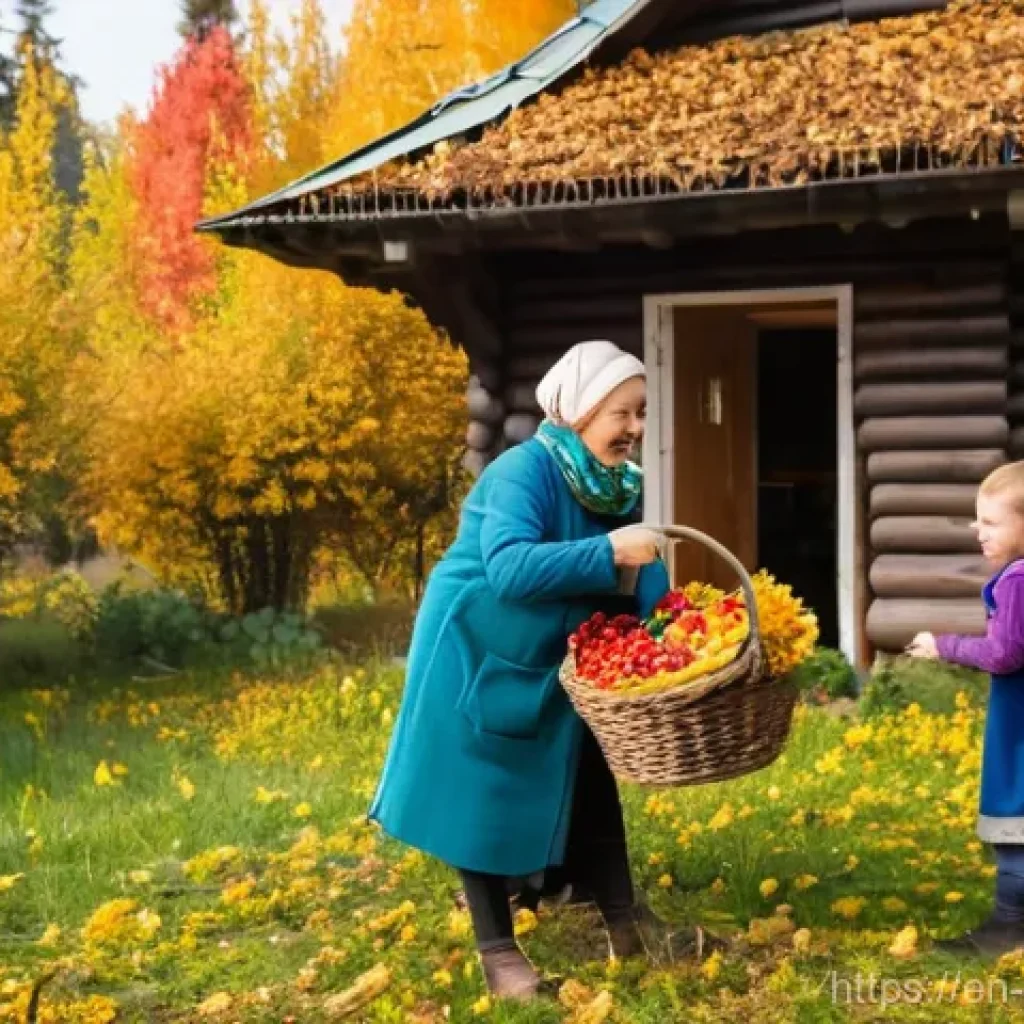
There’s something incredibly special about how Russians connect with their land, and nowhere is this more evident than in the revered tradition of the dacha. For generations, these rustic country homes, often surrounded by lush gardens, have been more than just weekend retreats; they’re a way of life, a deep breath of fresh air, and a tangible link to the soil. I’ve personally witnessed the sheer joy and dedication that goes into dacha upkeep – from carefully tending vegetable patches to cultivating vibrant flower beds. It’s a place where families truly unwind, leaving the city’s hustle behind to embrace a slower pace. You’ll find grandmothers canning preserves from their own harvests, fathers firing up the grill for some mouth-watering shashlyk, and children running free, exploring the surrounding woods. It’s a multi-generational affair, strengthening family bonds and instilling a love for nature from a young age. The experience, as I’ve gathered from countless conversations, isn’t just about escaping; it’s about actively creating, nurturing, and enjoying the fruits of one’s labor. It’s a beautiful testament to self-sufficiency and communal joy that I find truly inspiring. Many Russians will tell you that their happiest childhood memories are often tied to their dacha summers, a sentiment I completely understand after seeing the vibrant life that unfolds there.
The Allure of Foraging: Hunting for Nature’s Treasures
Beyond the garden fences, the vast Russian forests call to many, particularly for the timeless pursuit of foraging. This isn’t just a casual stroll; it’s an art passed down through families, a quiet communion with nature that yields delicious rewards. I remember an autumn trip where I joined a group heading into the woods, baskets in hand, eyes keenly scanning for mushrooms. The excitement was palpable as we discovered patches of boletus and chanterelles, carefully identifying each one. It’s an activity that demands patience, knowledge, and a respect for the environment, and it’s deeply ingrained in the Russian psyche. The thrill of finding a perfect specimen, along with the crisp forest air and the earthy scents, creates an experience that’s both meditative and exhilarating. Back home, these forest treasures become the stars of hearty stews and flavorful pickles, extending the bounty of nature well into the colder months. It’s a primal connection to the land that you don’t often see in modern urbanized societies, and it speaks volumes about the Russian appreciation for natural resources and traditional ways of life. I’ve heard many stories of families competing good-naturedly over who found the biggest mushroom, adding a fun, competitive edge to an already fulfilling pastime.
Rivers, Lakes, and Seas: Water Activities Galore
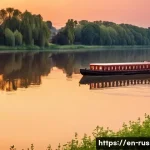
When the warmer months arrive, Russia’s incredible network of rivers, lakes, and its extensive coastline become playgrounds for countless leisure activities. From the tranquil Volga to the pristine waters of Lake Baikal, people flock to enjoy everything from swimming and sunbathing to boating and fishing. I’ve seen families spending entire weekends by a lakeside, setting up tents, picnicking, and simply soaking in the sun. Fishing, in particular, is a beloved pastime, offering a quiet escape and the satisfaction of a fresh catch. There’s a particular charm to watching seasoned anglers patiently waiting by the water’s edge, often sharing stories and a thermos of hot tea. For the more adventurous, kayaking and paddleboarding are gaining popularity, allowing people to explore hidden coves and enjoy breathtaking natural scenery from a unique perspective. Even a simple dip in a cool river on a hot summer day is a cherished ritual, a refreshing break from daily routines. The vastness of Russia’s waterways means there’s always a new spot to discover, a fresh vista to admire, and a quiet corner to find peace. It’s a testament to how deeply interwoven nature is with Russian leisure, regardless of the season.
Winter Wonderland: Embracing the Chill with Vigorous Pursuits
It’s easy to imagine Russia as a land of perpetual snow, and while that’s not entirely accurate, winter certainly transforms the landscape into a playground for unique activities. Instead of hibernating, Russians embrace the cold with a vigor that I find truly inspiring. From late autumn, the anticipation builds for the first solid freeze, bringing with it the promise of ice skating, skiing, and exhilarating sledding adventures. The way people adapt and thrive in such conditions really speaks to their resilience and their ability to find joy even in the harshest elements. I’ve often heard people say that a true Russian winter isn’t something to dread, but rather an opportunity for specific kinds of fun that simply aren’t possible during other seasons. The crisp, clean air, the dazzling white landscapes, and the warmth of a hot drink afterwards create a magical atmosphere that makes these cold-weather pastimes truly unforgettable. It’s a culture that understands the beauty of all seasons, and winter, far from being a time of quietude, becomes a period of vibrant, physical enjoyment.
Glide and Slide: The Thrill of Ice Skating and Skiing
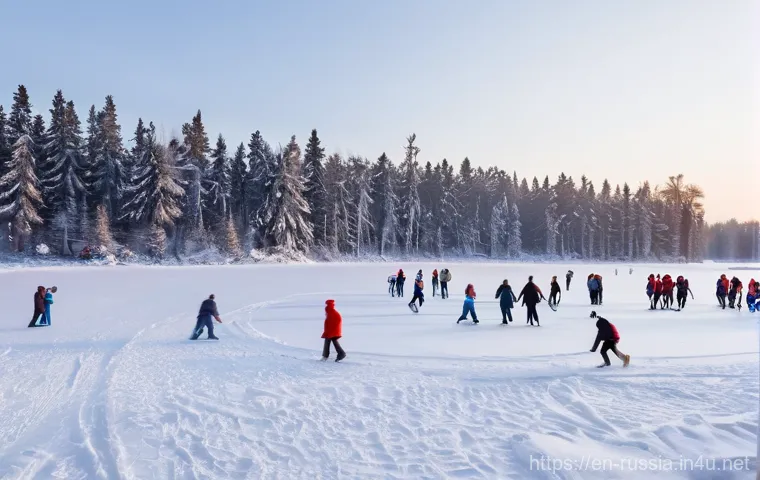
When lakes and rivers freeze over, they become natural ice rinks, and purpose-built rinks pop up in city centers, transforming urban spaces into dazzling scenes of joy. Ice skating is incredibly popular, a graceful yet energetic activity enjoyed by people of all ages. I’ve witnessed everything from children taking their first tentative glides to seasoned skaters performing impressive pirouettes. It’s a fantastic way to stay active during the colder months, and the atmosphere at public rinks is always electric, filled with laughter, music, and the clinking of skates. Similarly, skiing, both cross-country and downhill, is a cherished winter sport. Russia’s vast terrains offer endless opportunities for cross-country skiing, allowing people to explore snow-covered forests and fields in serene tranquility. Downhill enthusiasts flock to resorts in regions like the Caucasus, seeking the thrill of speed and challenging slopes. The feeling of gliding across fresh snow, with breathtaking winter landscapes all around, is an experience that truly invigorates the soul. I’ve personally tried my hand at cross-country skiing, and while I wasn’t exactly graceful, the sheer beauty of the surroundings and the satisfying physical exertion made it an unforgettable experience. It’s clear that for many, winter isn’t a time to stay indoors, but rather to embrace the invigorating chill and the unique sports it offers.
The Banya Ritual: A Steamy Tradition
No discussion of Russian leisure, especially in winter, would be complete without mentioning the banya. This traditional Russian bathhouse is far more than just a place to get clean; it’s a social ritual, a detoxifying experience, and a cornerstone of Russian culture. Imagine stepping into a superheated steam room, sometimes followed by a brisk flogging with birch or oak veniks (bundles of leafy branches), all designed to stimulate circulation and cleanse the skin. It sounds intense, and it absolutely can be, but the feeling of rejuvenation afterwards is unlike anything else. I’ve heard stories of friends and families spending hours at the banya, moving between the steam room, a cold plunge pool, and a relaxing lounge area for tea and conversation. It’s a place for camaraderie, storytelling, and shedding not just dirt, but also the stresses of daily life. The banya is a deeply ingrained custom, reflecting a belief in the purifying power of heat and steam, and a desire for communal well-being. It’s a unique cultural experience that speaks volumes about Russian priorities – health, friendship, and a good, thorough cleanse! It’s something that has to be experienced to be truly understood, and I can tell you, it’s quite an eye-opener.
Feasts, Friends, and Festivities: The Joy of Russian Social Gatherings
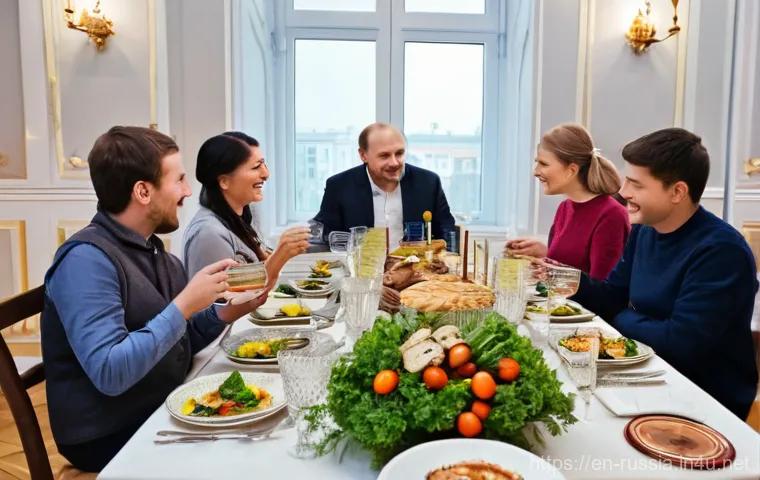
Russians truly understand the art of hospitality and the profound joy of shared meals and lively conversations. Leisure time often revolves around gathering with friends and family, turning simple occasions into memorable events. These aren’t just quick meals; they are often elaborate affairs, rich with food, drink, and heartfelt discussions that can last for hours. From the meticulous preparation of traditional dishes to the spirited toasts, every detail contributes to an atmosphere of warmth and genuine connection. I’ve been fortunate enough to experience these gatherings firsthand, and what strikes me most is the incredible sense of community and generosity. It’s a reminder that sometimes the best way to unwind isn’t through solitary pursuits, but by strengthening the bonds with those you care about. This emphasis on social interaction as a form of relaxation is something I deeply appreciate, and it’s a significant part of why Russian culture feels so welcoming and vibrant. The ability to just sit, talk, eat, and laugh without feeling rushed is a luxury in our fast-paced world.
The Art of the Russian Table: Food as a Unifier
Food plays a central role in Russian social life, acting as a powerful unifier. When you’re invited to a Russian home, be prepared for a veritable feast. The table groans under the weight of an array of zakuski (appetizers) – think pickled vegetables, various salads like Olivier, cured meats, and freshly baked bread. These are not mere starters; they are an integral part of the experience, designed to be savored over extended periods of conversation. Then come the main courses, often hearty and comforting, like pelmeni or blini, each prepared with love and tradition. What I’ve learned is that presenting a bountiful table isn’t just about feeding guests; it’s a profound expression of care and respect. The act of sharing food, passing dishes, and discussing recipes creates a beautiful flow of interaction that transcends mere sustenance. It’s a culinary journey that mirrors the warmth of the hospitality itself, and I always leave feeling not just full, but incredibly nourished by the communal spirit. This isn’t fast food; it’s slow, deliberate, and deeply satisfying food, crafted to be enjoyed in good company. My personal take is that you haven’t truly experienced Russian hospitality until you’ve sat at one of these tables.
Celebrating with Spirit: Toasts and Traditions
No Russian gathering is complete without toasts, and these are far more than just a quick clink of glasses. Toasts are an eloquent and often poetic expression of wishes, gratitude, and camaraderie, sometimes lasting several minutes each. They are an integral part of the celebration, guiding the flow of conversation and elevating the mood. I’ve been fascinated by the tradition of “na zdorovie” (to health), which often kicks off a series of heartfelt declarations. These aren’t just superficial sentiments; they often delve into philosophical reflections, personal anecdotes, and deep expressions of friendship and hope. It’s an art form in itself, requiring a certain wit and sincerity. The rhythmic cycle of eating, conversing, toasting, and laughing creates a unique social rhythm that is both exhilarating and profoundly bonding. It shows how much Russians value the people in their lives, and how they use these social rituals to reinforce those connections. From what I’ve seen, it’s this combination of delicious food, engaging conversation, and meaningful toasts that makes Russian social gatherings so incredibly rich and memorable, leaving you with a lasting sense of connection and joy.
| Leisure Category | Description of Activities | Cultural Significance |
|---|---|---|
| Dacha & Nature | Gardening, mushroom/berry picking, fishing, swimming, hiking in forests and by lakes. | Deep connection to the land, family bonding, self-sufficiency, escape from urban life. |
| Winter Sports | Ice skating (on rinks or frozen water bodies), cross-country and downhill skiing, sledding. | Embracing the cold, physical activity, community spirit, celebrating the unique season. |
| Social Gatherings | Elaborate home meals (zakuski, main courses), banya visits, lively conversations, heartfelt toasts. | Hospitality, strengthening family/friend bonds, cultural rituals, emotional expression. |
| Cultural & Urban | Theater, museums, chess clubs, coffee shop meet-ups, modern fitness centers, concerts. | Intellectual engagement, artistic appreciation, urban socializing, health & wellness. |
Urban Rhythms: City Life and Modern Pastimes
While the allure of the dacha and nature is strong, Russian cities are vibrant hubs offering a plethora of modern leisure activities that cater to diverse tastes. It’s a dynamic blend where traditional culture intertwines with contemporary trends, creating a unique urban tapestry. From world-class theater and ballet to bustling cafes and burgeoning tech-driven fitness scenes, city dwellers find countless ways to unwind and engage. What I’ve observed is a keen appreciation for both high culture and accessible entertainment, reflecting a population that values both intellectual stimulation and casual fun. The energy of places like Moscow and St. Petersburg is undeniable, with a constant buzz of activity that caters to every conceivable interest. You’ll see young professionals unwinding at trendy bars, families enjoying parks, and art lovers flocking to galleries. It’s a testament to the fact that Russian leisure isn’t solely about escaping to the countryside; it’s also about fully immersing oneself in the rich cultural and social opportunities that urban centers provide. I personally find the blend captivating – you can witness classical ballet one evening and explore a modern art installation the next, truly experiencing the breadth of their cultural landscape.
The Grandeur of Arts: Theater, Ballet, and Museums
Russia’s cultural heritage is incredibly rich, and leisure time often involves immersing oneself in the arts. The ballet and theater scene, particularly in major cities, is legendary, drawing appreciative audiences for performances that are often breathtaking in their scale and artistry. I’ve had the immense pleasure of attending a performance at the Bolshoi Theatre, and the experience was truly unforgettable – the sheer talent, the opulent setting, and the palpable history in the air create a magical evening. Museums are also highly cherished, offering glimpses into Russia’s vast history, artistic achievements, and scientific advancements. From the Hermitage Museum in St. Petersburg, a treasure trove of world art, to numerous smaller, specialized museums, there are endless opportunities for intellectual and aesthetic enrichment. It’s clear that for many Russians, engaging with these cultural institutions is not just entertainment, but a vital part of personal growth and connection to their national identity. This deep respect for the arts, from what I’ve seen, is passed down through generations, ensuring that these traditions remain a vibrant part of their leisure landscape. It’s a beautiful way to spend an afternoon or evening, sparking conversations and broadening perspectives.
Coffee Culture and Social Hubs: Modern Urban Hangouts
Beyond the grand cultural institutions, the modern Russian city boasts a flourishing coffee culture and an array of social hubs where friends gather. Walk through any major city, and you’ll find stylish cafes bustling with people enjoying artisanal coffees, pastries, and conversation. These spaces serve as informal meeting spots, places for quiet contemplation, or even impromptu work sessions. The rise of these contemporary hangouts reflects a global trend, but with a distinct Russian flair, often combining cozy aesthetics with a vibrant social atmosphere. I’ve noticed a growing number of book cafes and anti-cafes (places where you pay for time, not for drinks), offering unique environments for creativity and connection. These spots provide a welcome contrast to the more traditional forms of entertainment, catering to a younger generation that values convenience and a relaxed social setting. It’s a sign of how Russian leisure is evolving, incorporating international influences while maintaining a strong sense of local character. I find it fascinating to see how these new spaces become crucial parts of the urban social fabric, offering diverse ways for people to connect and unwind in their everyday lives.
Mind and Body: Pursuing Intellectual and Physical Wellness
Leisure in Russia isn’t just about passive relaxation; it often involves active engagement of both the mind and the body. There’s a strong emphasis on self-improvement, intellectual stimulation, and maintaining physical health, weaving these pursuits seamlessly into daily life. I’ve been particularly impressed by the prevalence of intellectual games and sports, showing a culture that values sharpness of mind as much as physical prowess. It’s a holistic approach to well-being that I find incredibly admirable. Whether it’s through intense chess matches in public parks or dedicated workouts at a state-of-the-art gym, Russians seem to embrace activities that challenge and invigorate them. This dedication to personal development and well-being during their free time speaks volumes about their values. I truly believe that the balance they strike between mental and physical pursuits contributes significantly to a fulfilling life, something we can all learn from. It’s not just about what you do, but how you choose to grow and nurture yourself in your precious free hours.
Strategic Minds: The Enduring Passion for Chess and Board Games
Chess holds a revered status in Russia, far more than just a game; it’s a national passion and a symbol of intellectual prowess. You’ll often find people, young and old, engrossed in intense matches in city parks, local clubs, or even at home. The concentration and strategic thinking involved make it a fantastic way to sharpen the mind and engage in friendly competition. I’ve spent countless hours watching these games, mesmerized by the quiet intensity and the intricate maneuvers on the board. Beyond chess, other board games and card games are also popular, serving as wonderful ways to socialize and exercise critical thinking skills. These activities provide a counterbalance to the more physical pastimes, offering a different kind of mental workout that many find incredibly satisfying. It’s a testament to a culture that values intellectual depth and strategic thinking, incorporating it naturally into their leisure pursuits. I personally find the intellectual rigor of these games quite appealing, and it’s a refreshing change from screen-based entertainment, fostering direct human interaction and analytical skill.
Staying Active: Fitness Trends and Sports Enthusiasts
Physical activity is a significant part of Russian leisure, with a growing interest in modern fitness trends alongside traditional sports. Gyms and fitness centers are increasingly popular, offering a wide range of classes from yoga and Pilates to high-intensity interval training. People are conscious about their health and actively seek ways to stay fit and energetic. Beyond indoor facilities, team sports like football (soccer) and volleyball are widely enjoyed, both casually in parks and through organized leagues. Ice hockey, as you might expect, remains a national obsession, with passionate fans flocking to games and many aspiring to play themselves. What I’ve seen is a genuine enthusiasm for active lifestyles, with communities organizing marathons, cycling events, and outdoor fitness challenges. This commitment to physical well-being, whether through structured workouts or informal games, demonstrates a desire for a balanced and healthy life. It’s encouraging to see so many people dedicating their free time to moving their bodies, reflecting a broader shift towards health consciousness. I’ve always admired how seamlessly Russians integrate physical activity into their daily routines, truly making it a part of their overall well-being.
Connecting with Heritage: Preserving Traditions and Craftsmanship
One of the most heartwarming aspects of Russian leisure is the dedication to preserving and engaging with their rich cultural heritage. It’s not just about looking back, but actively participating in traditions that connect them to their ancestors and reinforce a strong sense of national identity. This commitment manifests in various forms, from learning traditional crafts to celebrating historical holidays with genuine enthusiasm. I’ve always felt that understanding a culture’s past is key to appreciating its present, and Russians do an excellent job of keeping their heritage alive and vibrant. It’s a beautiful tapestry woven with historical significance, artistic expression, and communal pride. There’s a palpable sense of respect for where they come from, and this translates into engaging, educational, and often hands-on leisure activities that connect generations. I’ve found these traditions to be incredibly endearing, offering unique insights into the soul of the country and its people.
The Art of Handcrafts: Reviving Traditional Skills
In a world increasingly dominated by mass production, many Russians find immense satisfaction in traditional handcrafts. From intricate lacework and vibrant Matryoshka doll painting to ornate wood carving and delicate embroidery, these skills are passed down through generations, often as cherished family activities. I’ve met artisans who pour their heart and soul into creating beautiful, handmade items, finding both relaxation and a deep sense of purpose in their work. These crafts are not just hobbies; they are a living connection to Russian artistic history, keeping ancient techniques alive and relevant. Attending workshops or simply watching skilled craftspeople at work offers a fascinating glimpse into this aspect of leisure. It’s a testament to the value placed on creativity, patience, and the unique beauty of handmade objects. The pride in creating something with one’s own hands, something beautiful and meaningful, is a powerful motivator, and it’s a wonderful way to spend leisure time, producing tangible results. I personally find the dedication to preserving these artistic traditions truly inspiring, showcasing a deep cultural appreciation for beauty and skill.
Festive Celebrations: Marking Time with Historical Significance
Russian leisure is also punctuated by a vibrant calendar of traditional festivals and holidays, many of which carry deep historical and cultural significance. These aren’t just days off; they are occasions for communal celebration, often involving specific rituals, foods, and gatherings. Maslenitsa, for example, marks the end of winter with blini and festive outdoor activities, offering a joyous transition into spring. Victory Day, commemorating the end of World War II, is observed with solemn parades, fireworks, and heartfelt tributes, serving as a powerful reminder of national resilience and sacrifice. Participating in these celebrations, even as an observer, provides an incredible window into the collective memory and shared values of the Russian people. I’ve always found these events to be incredibly moving, showcasing a profound sense of unity and national pride. It’s a powerful way that leisure time is used not just for personal enjoyment, but for reinforcing community bonds and honoring the past, ensuring that these important cultural touchstones continue to resonate with future generations. This blend of celebration and remembrance makes these holidays truly special in the Russian calendar.
Wrapping Up Our Journey
It’s been an incredible journey exploring the myriad ways Russians embrace their leisure time, hasn’t it? From the tranquil charm of dacha life and the invigorating call of the wild to the warmth of social gatherings and the intellectual pursuits within vibrant cities, there’s a richness and depth to their approach to relaxation and enjoyment that I find truly inspiring.
What stands out to me most is the profound connection to nature, the strong emphasis on family and community, and an admirable dedication to both physical and mental well-being, irrespective of the season.
It’s clear that leisure isn’t just about escaping daily life; it’s about actively enriching it, fostering deep connections, and honoring traditions that stretch back generations.
I truly hope this glimpse into the Russian way of unwinding has sparked your own curiosity and perhaps even inspired you to seek out similar joys in your own life!
Useful Information to Know When Exploring Russian Leisure
1. Embrace the Seasons: Russian leisure activities are deeply tied to the seasons. Pack layers for the often unpredictable weather, especially if you’re venturing outdoors. Summer calls for light clothing for long days by the water or in gardens, while winter demands serious warm gear if you plan on enjoying ice skating, skiing, or even just a brisk walk through a snowy park. Being prepared for the elements will greatly enhance your experience, allowing you to fully participate in whatever the season offers.
2. Learn Basic Russian Phrases: While many younger Russians in major cities speak English, knowing a few basic Russian phrases like “hello” (privet), “thank you” (spasibo), and “please” (pozhaluysta) can go a long way. It shows respect for the local culture and can open doors to more authentic interactions, especially if you find yourself at a dacha gathering or a local market. People truly appreciate the effort, and it often leads to warmer, more engaging conversations, enhancing your cultural immersion.
3. Don’t Shy Away from the Banya: If you have the opportunity, experiencing a traditional Russian banya is an absolute must. It might seem intense at first, but it’s an incredibly rejuvenating and culturally significant ritual. It’s not just about cleansing; it’s a social event, a detox, and a powerful way to feel invigorated. Always go with an open mind, and you’ll likely find it to be one of the most memorable parts of your visit, leaving you feeling refreshed and connected to a unique tradition.
4. Respect Local Customs and Etiquette: When participating in social gatherings or visiting places like the banya or churches, be mindful of local customs. For example, it’s customary to bring a small gift when invited to someone’s home, and dress modestly if visiting religious sites. Being observant and respectful of these unspoken rules will help you integrate more smoothly and show your appreciation for the culture you’re experiencing. A little research into specific situations can make a big difference.
5. Explore Both Urban and Rural Settings: To truly understand Russian leisure, try to experience both the vibrant city life and the tranquility of the countryside. While Moscow and St. Petersburg offer world-class arts and modern amenities, a trip to a dacha or a forest for foraging provides a completely different, yet equally essential, insight into the Russian soul. The contrast between these experiences paints a fuller, more authentic picture of how people unwind and find joy across the vast country.
Key Takeaways for a Richer Understanding
At the heart of Russian leisure lies a deep appreciation for the natural world, a robust commitment to family and community bonds, and a dedication to cultural traditions that span generations.
From the peaceful pursuits of gardening and foraging to the exhilarating activities of winter sports and the profound rituals of the banya, Russians actively engage with their environment and heritage.
Social gatherings, marked by generous hospitality and heartfelt toasts, play a pivotal role, fostering deep connections. Moreover, a strong emphasis on intellectual development through activities like chess, coupled with a growing interest in physical wellness, showcases a balanced approach to life.
It’s this unique blend of tradition, nature, and social connection that makes Russian leisure so captivating and offers valuable lessons for all of us seeking a more fulfilling and well-rounded life.
Frequently Asked Questions (FAQ) 📖
Q: What are the most cherished traditional leisure activities that Russians still enjoy today, and why do they hold such a special place in their hearts?
A: You know, it’s truly heartwarming to see how deeply rooted traditions are in Russian leisure, even in our fast-paced world. For me, the absolute queen of Russian downtime has to be the dacha culture.
Imagine this: you escape the city buzz on a Friday evening, maybe brave a bit of traffic with your family and friends, all heading to a cozy country house.
It’s not just a summer house; it’s a way of life! People spend their weekends gardening, growing their own vegetables and fruits (and let me tell you, there’s nothing quite like a home-grown tomato!), having a real shashlyk BBQ – that’s grilled meat, often cooked by the men, over an open fire.
It’s about reconnecting with nature, with family, and with simple pleasures. The conversations around the fire, often deep and philosophical, are something truly special.
Then there’s mushroom picking, or as they call it, “quiet hunting.” This isn’t just a walk in the woods; it’s an ancestral skill passed down through generations.
I’ve heard stories about families waking up at dawn, baskets in hand, venturing into the forest. It’s a hunt, a treasure quest, and a deep communion with nature all rolled into one.
Knowing how to identify edible mushrooms from poisonous ones is a vital skill, and there’s immense satisfaction in bringing home your bounty to cook up a delicious meal.
It’s more than a hobby; it’s a cultural ritual, fostering a profound connection to the land and each other. And, of course, we can’t forget the banya!
It’s not just a sauna; it’s a social event, a cleansing ritual, and a place for serious relaxation. You’ll find friends and family gathering, often hitting themselves with birch branches (believe me, it sounds wilder than it is and actually feels amazing!), then plunging into cold water.
It’s an invigorating experience that leaves you feeling refreshed and connected. These activities aren’t just pastimes; they’re threads woven into the fabric of Russian identity, offering a sense of continuity, community, and a profound appreciation for nature.
Q: How do younger generations in Russia blend modern hobbies and digital life with their country’s deep-rooted traditions?
A: This is where it gets really interesting! I’ve observed that Russian youth are incredibly adept at having the best of both worlds. On one hand, just like young people globally, they’re fully immersed in the digital landscape.
Think gaming, spending hours on social media, and keeping up with global trends in music, fashion, and entertainment. Many are into tech-driven fitness, like gym workouts or running apps, and you’ll find vibrant art scenes with young painters, sculptors, and designers.
University clubs and extracurriculars also offer a plethora of modern interests, from debating societies to sports. But here’s the cool part: they often don’t abandon the old ways.
Many young Russians still cherish their family dacha trips, often going with friends, enjoying shashlyk, and even helping with the gardening, albeit perhaps with an iPhone in hand to capture the moment.
Ice hockey continues to be a massive passion, bringing together generations whether they’re playing on frozen lakes or cheering on their favorite KHL teams.
And you’d be surprised how many are still drawn to traditional gatherings, intellectual quizzes, or simply long, deep conversations over tea (or coffee, let’s be real) with friends, just like their parents and grandparents did.
It’s a dynamic blend where Instagram stories might feature a beautiful dacha sunset right alongside a new gaming achievement. They value progress and global connections, but there’s a noticeable pride and respect for their heritage, creating a truly unique modern Russian lifestyle.
Q: What’s the real secret to Russian hospitality and those famous social gatherings that extend for hours?
A: Ah, Russian hospitality! If you’ve ever been lucky enough to experience it, you’ll know it’s legendary. The “secret,” if you can call it that, lies in a few key ingredients: generosity, genuine connection, and an abundance of food and conversation.
When you’re invited to a Russian home, be prepared to be fed. And I mean, truly fed! It’s not just a meal; it’s a feast.
The table will literally be groaning under the weight of zakuski – an incredible spread of appetizers like pickles, smoked fish, salads, cold cuts, and various savory bites.
This isn’t just for show; it’s a sincere expression of welcoming abundance. The idea is that there should always be more than enough. You’ll often find yourself trying dishes you’ve never heard of, all homemade with love.
But beyond the food, it’s the depth of connection that makes these gatherings so special. Russians are often slow to warm up, but once they consider you a friend, you’re family.
These are not quick, superficial chats; they are long, heartfelt conversations that can stretch for hours, often late into the night. People really listen, engage, and share their thoughts on everything from life and politics to art and personal stories.
There’s a beautiful lack of superficiality. And yes, there will likely be toasts – many of them! Often with vodka or cognac, but also with wine or even juice.
Each toast is a moment to express good wishes, love, and respect. It’s a powerful bonding ritual. Plus, you might find board games like chess or backgammon, card games, or even spontaneous singing filling the air.
It’s this combination of lavish food, warm camaraderie, sincere conversation, and a collective spirit that makes Russian social gatherings so uniquely memorable and truly unforgettable.
Trust me, you’ll leave with a full belly and an even fuller heart.