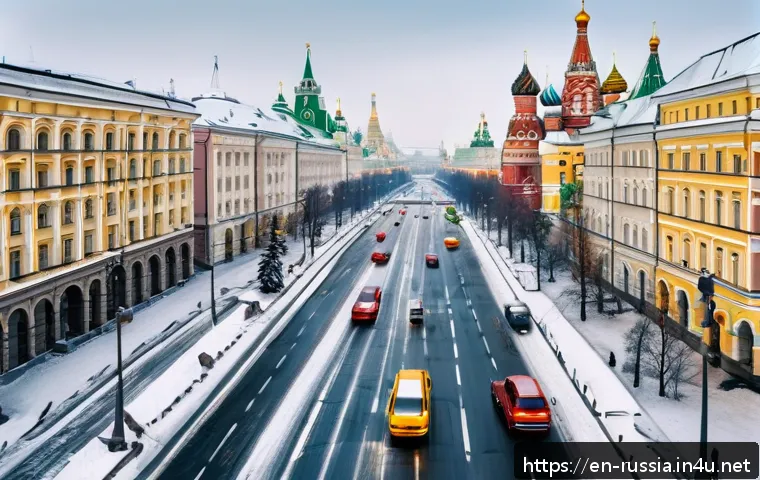
Hey there, fellow wanderlusters! Are you dreaming of experiencing the grandeur and rich history of Russia? It’s a destination that sparks incredible curiosity, and rightly so!
As someone who absolutely loves helping you navigate the world’s most fascinating corners, I’ve spent countless hours diving deep into what it *really* means to travel there by air these days.
Let me tell you, the world has shifted, and what you knew about international air travel to Russia a few years ago? Well, almost everything has changed.
From the tricky routes you now have to consider to the new visa landscapes, not to mention how you’ll manage your money once you’re on the ground—it’s certainly not a straightforward journey anymore.
I’ve personally been following the latest global insights, and it’s clear that careful planning and up-to-the-minute information are your best friends.
Forget outdated guides; my recent deep dive, pulling from what the smartest digital tools are highlighting, has really shed light on the essential, practical steps you need to take.
It’s all about making sure your adventure is memorable for the right reasons, without any unwelcome surprises. Navigating these complexities can feel like a maze, but trust me, getting it right is key to a smooth, incredible trip.
So, are you ready to unravel the current realities of flying to Russia, from securing your spot on a flight to making sure your finances are sorted once you land?
Let’s dive in and get you completely prepared for an unforgettable journey. We’ll explore all the critical air travel precautions, from navigating indirect flight paths and the ins and outs of visa applications to essential financial tips and safety measures, ensuring you have the most up-to-date and practical advice right at your fingertips.
Below, let’s thoroughly explore exactly what you need to know.
Finding Your Way There: Navigating the New Air Travel Realities
Okay, so let’s talk flights. This is probably where most people hit their first real head-scratcher when planning a trip to Russia nowadays. Gone are the days of direct, easy flights from many Western countries, and honestly, that’s just the current reality we need to work with. What I’ve found through my own digging and from hearing about others’ recent travels is that indirect routes are the name of the game. You’ll likely be looking at layovers in places like Istanbul, Dubai, or other hubs in the Middle East or Central Asia. These aren’t just minor detours; they significantly impact your total travel time and, let’s be real, your budget. The key here is flexibility and a good dose of patience. When I was looking into this, I noticed that flight times can be dramatically longer, sometimes stretching to 15-20 hours or even more, depending on the connections. Don’t be surprised if you see some pretty creative itineraries! It’s all about piecing together a journey, not just booking a single direct hop. Always double-check the airline policies on layovers, especially regarding baggage and any potential transit visas you might need for those interim stops. Trust me, you don’t want any surprises when you’re halfway across the world. And a little tip from my side: often, booking separate legs of the journey with different carriers can sometimes yield better prices or more convenient schedules, but remember that adds a layer of complexity if there are delays.
The Rise of Indirect Routes and Key Hubs
Since many direct flight options are currently suspended, you’ll find yourself becoming quite the expert in international transfer hubs. Major cities like Istanbul (Turkey), Dubai (UAE), Doha (Qatar), and even some Central Asian capitals like Tashkent (Uzbekistan) or Astana (Kazakhstan) have become crucial gateways. When I’ve looked at these options, I always consider the connection times – too short, and you risk missing your next flight; too long, and you’re spending extra unnecessary hours in an airport. I personally prefer a connection that gives me at least three hours, especially when dealing with large international airports, just to account for any delays or unexpected gate changes. It’s also wise to check the reputation of the airlines operating these routes. Some offer fantastic service and comfort even on long-haul flights, while others might be a bit more basic. For me, a comfortable layover experience can make or break the start of a long journey, so I always factor that into my decision. Thinking about how to maximize your comfort during these extended travel times is paramount.
Booking Strategies: What to Look For
When it comes to actually booking these more complex itineraries, I’ve learned a few tricks. First, compare prices across various flight aggregators, but also check the airlines’ direct websites. Sometimes, you can find better deals or more flexible cancellation policies there. Pay close attention to baggage allowances, especially if you’re flying with multiple airlines, as these can differ wildly and lead to unexpected fees. Also, consider the timing of your flights. Red-eye flights might seem appealing for saving time, but if you arrive exhausted, it could throw off your first few days in Russia. I always try to arrive when I know I’ll have enough energy to navigate customs, get to my accommodation, and ideally, grab a decent meal. Reading recent traveler reviews for the specific routes and airlines you’re considering can also provide invaluable, up-to-the-minute insights. You’ll often discover little nuggets of wisdom about particular terminals or transfer processes that no booking site will tell you.
Visa Wisdom: Unlocking Your Entry to Russia
Navigating the visa process for Russia can feel a bit like cracking a code, especially with the ever-changing global climate. From my experience, and what I consistently hear from other adventurers, this isn’t a step you want to rush or take lightly. The application process itself requires meticulous attention to detail, and honestly, a good deal of patience. You’ll need an official invitation or a tourist voucher from a Russian travel agency or hotel, which is a fundamental document. Without it, your application won’t even get off the ground. I remember feeling a bit overwhelmed by the paperwork when I first looked into it, but breaking it down into smaller steps really helps. Ensure your passport is valid for at least six months *beyond* your intended departure date from Russia and has at least two blank pages for the visa itself. It’s also crucial to remember that visa processing times can vary significantly, so applying well in advance of your travel dates is non-negotiable. I personally would aim for at least 6-8 weeks before your planned departure, just to be safe. Any last-minute issues, and you’ll be scrambling, which is never a fun way to start a trip.
Essential Documents and Application Nuances
Beyond the invitation, you’ll need a filled-out application form, recent passport-sized photos, and often, proof of travel insurance covering your entire stay in Russia. This insurance isn’t just a suggestion; it’s a requirement for many visa types and can be a lifesaver if anything unexpected happens. I always advise people to get comprehensive travel insurance that covers medical emergencies, trip cancellations, and even lost luggage. It’s a small investment for massive peace of mind. Some consulates might also require proof of sufficient funds to cover your stay, or detailed itinerary plans. Always check the specific requirements of the Russian embassy or consulate in your country, as these can sometimes differ slightly. The online application form itself can be quite detailed, so set aside a good chunk of time to complete it accurately. Any errors, even minor ones, can lead to delays or even rejection, which is the last thing anyone wants after all that planning!
Understanding Visa Types and Requirements
Russia offers several visa types, with the tourist visa being the most common for short-term visitors. However, if you plan to visit for other reasons, like business, humanitarian work, or private visits (invitation from a Russian citizen), the requirements will shift. It’s incredibly important to select the correct visa type for your purpose of travel. Trying to enter on a tourist visa when your primary purpose is business, for example, can lead to serious complications. When I’ve helped friends look into this, we always stress verifying the purpose of travel precisely. Also, be aware of single-entry, double-entry, and multiple-entry visas. For most tourist trips, a single-entry visa is sufficient, but if you plan to leave Russia and re-enter, say, to visit a neighboring country and then return, a double or multiple-entry visa would be essential. Carefully consider your itinerary before you apply.
Cash or Card? Mastering Money Management on Russian Soil
Alright, let’s get down to one of the trickiest parts of traveling to Russia right now: your money! This isn’t just about budgeting; it’s about practical access to your funds in a financial landscape that has shifted dramatically. Due to international sanctions, many common Western payment methods simply won’t work in Russia anymore. This is a huge change that requires serious pre-planning. Forget about relying on your Visa or Mastercard issued by banks outside of Russia, because, trust me, they likely won’t function. I’ve heard too many stories of travelers arriving only to find their cards useless, leading to stressful situations. Your best bet is to embrace cash – and lots of it. Exchanging your home currency for Russian Rubles (RUB) *before* you arrive or immediately upon arrival at reputable exchange points (like banks, not just random kiosks) is paramount. Don’t carry all your cash in one place, of course; spread it out for security. And while cash is king, it’s also worth exploring alternative options that have emerged.
Navigating Sanctions: What Works and What Doesn’t
As I just mentioned, Visa, Mastercard, American Express, and other major credit/debit cards issued by non-Russian banks are generally not accepted. This means your usual tap-and-go or swipe transactions are off the table. This might sound daunting, but it just means you need a different strategy. I personally would recommend carrying a significant amount of cash in major foreign currencies (like US Dollars or Euros) that can then be exchanged for rubles. Many larger establishments in cities might still accept cards issued by Chinese payment systems (like UnionPay) if your bank offers one, but even that isn’t universally guaranteed. It’s a patchwork system, and reliability varies. I would definitely not rely on UnionPay as your sole financial lifeline, but it could be a useful backup.
Alternative Payment Solutions and Local Options
Beyond foreign cash, some travelers have found success with cards issued by Russian banks. Of course, getting one of these as a non-resident can be a complex process and might not be feasible for a short trip. However, if you have a local contact who can assist, it might be an option. I’ve also heard of some digital payment apps or cryptocurrency solutions being used in certain circles, but these are generally more niche and come with their own set of complexities and risks. For the average tourist, cash remains the most reliable and widely accepted form of payment. Always keep smaller denominations of rubles on hand for things like public transport, small purchases at markets, or tipping. It’s truly a situation where being overly prepared with physical currency is far better than being caught short.
Your Well-being First: Essential Safety and Health Considerations
When you’re traveling anywhere, especially to a destination that might feel a little off the beaten path for some, safety and health should always be at the top of your mind. For Russia, this means being aware of your surroundings, understanding local customs, and having a plan for any health emergencies. My golden rule for personal safety is always to trust your gut feeling. If a situation feels off, it probably is. Stick to well-lit, populated areas, especially at night, and be discreet with your valuables. I always carry a crossbody bag that keeps my essentials close and secure. Petty crime, like pickpocketing, can occur in crowded tourist areas, just like in any major city around the world, so staying vigilant is key.
Staying Vigilant and Secure in Public Spaces
Public transport, busy markets, and major attractions are prime spots where you need to be extra aware. I’ve personally found that blending in as much as possible helps. Avoid flashy displays of wealth, and try to keep a low profile. It’s also a good idea to have a secure digital copy of your passport and visa, separate from your physical documents, just in case. I always email myself these documents and keep them in a cloud storage. If you find yourself in a large city like Moscow or St. Petersburg, utilize registered taxis or ride-sharing apps with good reviews rather than hailing unmarked cars. Language barriers can sometimes be a challenge, so having a translation app on your phone can be incredibly helpful for communicating with locals, especially in an emergency.
Health Preparedness and Insurance Realities
For health, make sure any prescription medications you need are clearly labeled and that you have enough for your entire trip, plus a few extra days. Carry a letter from your doctor if your medication is controlled or unusual. While you should definitely have travel insurance (as it’s often a visa requirement!), be aware that some international insurance policies might have limitations or exclusions related to travel to certain regions due to current geopolitical situations. Always, always, read the fine print of your policy to understand what is and isn’t covered. I cannot stress this enough! Having a basic first-aid kit with essentials like pain relievers, bandages, and any personal allergy medications is also a smart move. In case of a medical emergency, know the number for emergency services (112 in Russia) and if possible, have the contact information for your embassy or consulate on hand.
Embracing Russia: Cultural Nuances and Respectful Exploration
Stepping into a new country is always an adventure, and Russia, with its deep history and rich culture, is no exception. It’s a place where understanding and respecting local customs can genuinely enhance your experience. From my perspective as a traveler, making an effort to learn a few basic Russian phrases goes a long, long way. A simple “Spasibo” (thank you) or “Zdravstvuyte” (hello) can open doors and warm interactions like you wouldn’t believe. It shows respect and a willingness to engage, and locals genuinely appreciate the effort. Don’t be surprised if Russians initially seem a bit reserved; it’s often a cultural norm, and once you break the ice, you’ll find incredible warmth and hospitality. My advice? Don’t take initial seriousness for unfriendliness; it’s just a different cultural communication style.
Navigating Social Etiquette and Traditions
There are some social nuances that are good to be aware of. For instance, removing your shoes when entering someone’s home is common practice. When visiting churches or religious sites, modest dress is expected – women often wear head coverings, and shoulders should be covered for both men and women. Public displays of affection, especially same-sex affection, are not as openly accepted as in some Western countries. Tipping culture is present but not always as aggressive as in some parts of the world; rounding up the bill or leaving 5-10% in restaurants is generally appreciated but not strictly mandatory. I always make an effort to observe how locals behave in different settings and try to follow suit. It’s about being a respectful guest in their country.
Responsible Tourism and Local Interactions

As a responsible traveler, I always encourage supporting local businesses and artisans. This not only gives you authentic experiences but also directly benefits the communities you’re visiting. When interacting with locals, be open-minded and curious. Ask questions respectfully, and be prepared to share a little about your own culture too. I’ve had some of my most memorable travel moments arise from these genuine, cross-cultural exchanges. Remember, you are an ambassador for your own country, so a positive attitude and polite demeanor go a long way. Photography is generally welcomed at tourist sites, but always be respectful of people’s privacy – ask before taking close-up photos of individuals.
Staying Connected: Communication and Local Logistics Made Easy
In today’s interconnected world, staying in touch while traveling is practically a necessity, and a trip to Russia is no different. You’ll want to have reliable access to maps, translation apps, and communication with loved ones. My personal strategy always involves ensuring I have a way to get online as soon as I land. While airport Wi-Fi can be hit or miss, and hotel Wi-Fi can sometimes be slow or unreliable, getting a local SIM card is usually the most straightforward and cost-effective solution for consistent connectivity. Trust me, trying to navigate a new city without data is an adventure best avoided!
Getting Online: Local SIM Cards and Wi-Fi Access
Upon arrival, look for kiosks or stores of major Russian mobile operators like MTS, Beeline, or MegaFon. They offer various tourist-friendly plans with data, calls, and texts. Activating a SIM card usually requires your passport, so have it ready. I always choose a plan with a generous data allowance, as I rely heavily on mapping apps and online translation. For example, a 15-20 GB plan should easily cover a 1-2 week trip. While free Wi-Fi is available in many cafes, restaurants, and public spaces, it often requires local phone number verification, which a local SIM card will solve. It’s a small upfront cost that saves you a world of hassle.
Public Transportation: Getting Around Major Cities
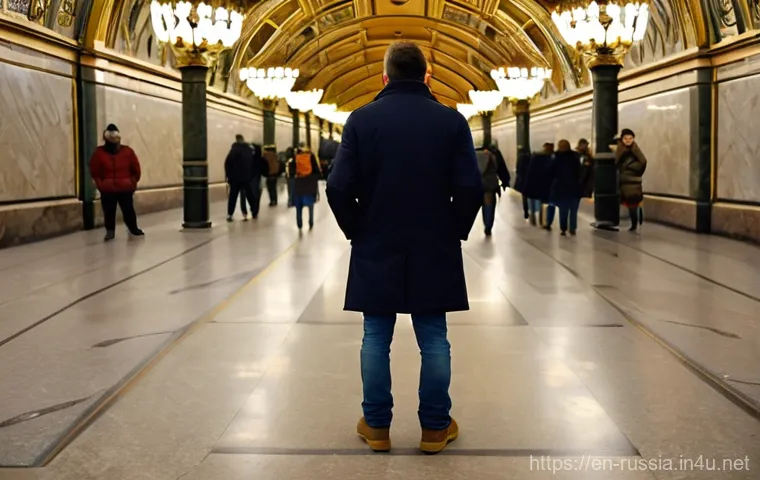
Russia’s major cities, especially Moscow and St. Petersburg, boast incredibly efficient and extensive public transportation systems, particularly their metro networks. The Moscow Metro, for example, is not just a way to get around; it’s an attraction in itself, with many stations featuring stunning architecture and artwork. Learning to use it will save you a lot of time and money compared to taxis. I recommend downloading a metro map app (some even work offline) and familiarizing yourself with the key lines for your planned destinations. Payment is typically made via a reloadable card (like the Troika card in Moscow or Podorozhnik in St. Petersburg), which you can purchase at metro stations. Here’s a quick reference for getting around:
| City | Primary Public Transport | Payment Card Example | Key Tip |
|---|---|---|---|
| Moscow | Metro, Bus, Tram, Trolleybus | Troika Card | Metro stations are beautifully ornate; allow time to admire them. |
| Saint Petersburg | Metro, Bus, Tram, Trolleybus | Podorozhnik Card | Metro lines are very deep, expect long escalator rides. |
| Kazan | Metro, Bus, Tram, Trolleybus | Transport Card | A smaller, modern metro system, easy to navigate. |
Knowing these options will empower you to explore cities like a local, which, in my opinion, is always the best way to travel!
The Art of Packing: Essentials for a Seamless Russian Trip
Packing for Russia is a bit of an art, depending on the season, but there are definitely some universal essentials that I’ve found to be absolute game-changers. My personal packing philosophy boils down to versatility and preparedness. Given the complexities of indirect flights and potential layovers, minimizing checked baggage or at least making sure your carry-on is packed strategically is more important than ever. I always think about layering, no matter the time of year, because Russian weather can be notoriously unpredictable, even within the same day.
Weather-Wise Wardrobe: Layering for All Seasons
If you’re visiting in winter, prepare for serious cold. Think thermal base layers, a heavy-duty waterproof and windproof coat, insulated boots with good grip (icy sidewalks are real!), a warm hat, gloves, and a scarf. Trust me, I once underestimated a Russian winter, and my toes paid the price! For spring and autumn, layers are still key – a waterproof jacket, sweaters, and comfortable walking shoes are non-negotiable. Summer can be surprisingly warm, but don’t ditch that light jacket or cardigan; evenings can still be cool, and air conditioning might not be as prevalent as you’re used to. Regardless of the season, comfortable walking shoes are an absolute must, as you’ll likely be doing a lot of exploring on foot.
Tech and Practical Gadgets to Bring Along
Beyond clothes, there are a few practical items that will make your trip much smoother. A universal travel adapter is crucial for charging your electronics. I also always carry a portable power bank, especially with all the navigation and translation apps I use on my phone. A small, lightweight daypack is perfect for carrying your daily essentials – water, snacks, a camera, and any layers you shed. For me, a small notebook and pen are also indispensable for jotting down notes or emergency contacts. And don’t forget a physical map or guidebook, especially as a backup in case your phone battery dies or you lose signal in a remote area. Think about items that will enhance your comfort during long travel days, too, like a neck pillow or eye mask.
Beyond the Flight: What to Expect When You Arrive
So, you’ve navigated the flight maze, tackled the visa, and arrived! Now what? The final leg of your journey involves easing into your Russian adventure, and a smooth arrival can really set the tone for your whole trip. From customs and immigration to getting from the airport to your accommodation, knowing what to expect can alleviate a lot of that initial travel stress. My personal experience has taught me that the calmer and more prepared you are for these initial steps, the more enjoyable your first few hours in a new country will be.
Customs and Immigration: A Smooth Entry
Upon landing, you’ll go through passport control and customs. Have your passport, visa, and migration card (which you’ll usually receive on the plane or at passport control) ready. The migration card is super important – you’ll need to keep it safe throughout your stay and present it upon departure. Immigration officers might ask about your purpose of visit and duration of stay, so be prepared to answer clearly and concisely. The process is generally straightforward, but lines can sometimes be long, so factor that into your immediate post-arrival plans. Once you’ve cleared immigration, you’ll head to baggage claim. If you’ve been careful with your packing, hopefully, your luggage arrives swiftly!
Airport Transfers and First Impressions
Getting from the airport to your hotel or accommodation is your next priority. Major airports like Moscow’s Sheremetyevo (SVO), Domodedovo (DME), and Vnukovo (VKO), or St. Petersburg’s Pulkovo (LED), offer various transfer options. The Aeroexpress train is a fantastic choice in Moscow; it’s reliable, fast, and takes you directly to a metro station in the city center. Taxis are also available, but I always recommend using official airport taxis or pre-booked services to avoid inflated prices. Ride-sharing apps also operate in major cities and can be a convenient option. As you head into the city, take a moment to soak in your first impressions. The sheer scale, the unique architecture, the buzz of a new place – it’s all part of the incredible experience of finally being there!
글을 마치며
Whew! We’ve covered a lot, haven’t we? From navigating the intricate world of flight connections and deciphering visa requirements to mastering your finances on the ground and staying safe, it might seem like a lot to take in. But honestly, that’s just part of the grand adventure of exploring a destination as unique and profound as Russia. I truly believe that with the right preparation and an open mind, your journey will be nothing short of incredible. Every challenge overcome becomes a part of your story, a testament to your adventurous spirit. So, take a deep breath, reread these tips, and start envisioning the magnificent cathedrals, the bustling cityscapes, and the rich history that awaits you.
알아두면 쓸모 있는 정보
1. Always have a reliable offline map application downloaded on your phone. Even with a local SIM, signal can be spotty in some areas, and having a backup for navigation can save you from getting lost, especially when you’re exploring charming side streets or deep metro stations.
2. Embrace the power of a few basic Russian phrases. A simple “Здравствуйте” (Zdravstvuyte – Hello) or “Спасибо” (Spasibo – Thank you) can truly break the ice and lead to warmer interactions with locals. They genuinely appreciate the effort, and it enriches your experience tenfold.
3. If you plan on staying longer than seven business days, remember to register your visa. This is a crucial, often overlooked step for foreign visitors. Your hotel or hostel will usually help you with this, but always confirm the process and ensure it’s done correctly to avoid any issues upon departure.
4. Step beyond the main tourist eateries and try local cafes or “столовая” (stolovyaya – canteen-style restaurants) for authentic and often incredibly affordable Russian cuisine. You’ll get a real taste of local life and discover delicious dishes you might not find in guidebooks.
5. Be flexible with your itinerary. While planning is important, travel, especially in an evolving global landscape, can throw unexpected curveballs. Having a flexible mindset and a contingency plan can turn potential stressors into minor blips on your unforgettable adventure.
중요 사항 정리
To truly enjoy your Russian adventure without unnecessary stress, keep these critical points front and center: First and foremost, meticulously plan your finances. Remember, your regular Western bank cards likely won’t work, so prepare to rely heavily on foreign currency cash and explore any available alternative payment methods well in advance. Secondly, dedicate ample time and extreme attention to detail for your visa application; accuracy and completeness are non-negotiable. Thirdly, understand that air travel will involve indirect routes, so build in extra time for layovers and carefully review baggage policies across different airlines. Finally, prioritize your personal safety and health by staying vigilant, being culturally aware, and ensuring you have comprehensive travel insurance that explicitly covers your destination. Embrace these preparations, and you’ll be set for an incredible journey!
Frequently Asked Questions (FAQ) 📖
Q: So, tell me, how exactly can I fly to Russia these days, especially from places like the US or Europe? It feels like the direct routes I used to know are just… gone!
A: Oh, believe me, you’re not alone in feeling that way! It’s definitely a whole new ballgame when it comes to air travel to Russia. Those direct flights we once took for granted from many Western countries, like the US, Canada, the UK, or anywhere in the EU, are currently a thing of the past due to international sanctions.
It’s a bit of a maze, I know! But here’s the good news: you absolutely can still fly there, you just need to be savvy about your routes. From my deep dives and what I’ve seen firsthand, the key is to think “indirect.” You’ll want to look for flights that connect through countries that maintain direct air links with Russia.
Think of places like Turkey, Serbia, Morocco, or even hubs in the Middle East like Dubai. Airlines like Turkish Airlines, Pegasus Airlines, Air Serbia, Emirates, Etihad, and Qatar Airways have really become the lifelines for travelers heading to Russia.
They offer a range of connections to major Russian cities like Moscow and St. Petersburg. Now, here’s a little insider tip from someone who’s spent way too many hours comparing options: while you might naturally go to an airline’s official website, sometimes booking through a Russian flight comparator like Aviasales.com can be surprisingly easier, especially if you’re using an international credit card.
Some official airline sites, particularly Russian carriers, might not process foreign card payments directly. Just something to keep in mind when you’re hunting for the best deal!
My best advice? Plan well in advance, and don’t be afraid to play around with different layover cities. I’ve found that sometimes a slightly longer layover in a comfortable airport can actually make the whole journey less stressful.
It’s all about navigating the new landscape, and with a bit of planning, you’ll be on your way to exploring Russia in no time!
Q: What’s the latest on getting a visa for Russia? I’ve heard so many conflicting things – is it even possible, and has the process changed a lot for tourists?
A: That’s a fantastic question, and one I get asked constantly! There’s a huge misconception out there that getting a Russian visa is either impossible or incredibly difficult right now, but I can happily tell you that’s simply not the case.
Russia is absolutely still issuing visas, and for many nationalities, it’s actually gotten easier thanks to the unified e-visa system! If you’re from one of the eligible countries (this includes many in the EU, Schengen Area, as well as places like China, India, and others), you might be able to snag a short-term electronic visa.
What’s cool about the e-visa, and why I personally think it’s a game-changer, is that you can apply for it entirely online. Seriously, you don’t even need a traditional invitation letter, confirmed hotel bookings, or even your flight tickets at the time of application!
You just need your passport, travel medical insurance, and a digital photo. It allows for a stay of up to 30 days, which is perfect for most tourist adventures.
For those whose nationality isn’t on the e-visa list, or if you’re planning a longer trip or have a different purpose of visit, you’ll still go through the traditional application process at a Russian embassy, consulate, or visa center.
This usually requires a tourist invitation letter and proof of health insurance. From what I’ve observed and heard from fellow travelers, even for traditional visas, the process for US citizens, for example, remains largely consistent, and surprisingly, with reduced demand from some Western countries, you might even find shorter wait times.
Always check with your local Russian consulate or embassy first for the most accurate, up-to-the-minute requirements for your specific nationality. My golden rule: double-check everything before you submit!
Q: Okay, so I’ve sorted my flights and visa – what about money? With all the global changes, how do I actually pay for things once I’m in Russia?
A: Ah, the million-dollar question – or should I say, the million-ruble question! This is where you absolutely need to be prepared, because what you’re used to back home likely won’t work.
I’ve had friends caught off guard by this, and trust me, you don’t want to be in that situation. The biggest takeaway here is this: international Visa, MasterCard, and American Express cards issued outside of Russia are not functional within the country due to sanctions.
So, your trusty credit and debit cards from home will essentially be plastic bricks there. So, what are your options? I’ve personally found a few reliable ways to manage your finances:1.
Cash is King: This is, hands down, the most straightforward and reliable method. Bring a good amount of USD or Euros with you. You can easily exchange these for Russian Rubles at banks or official exchange offices once you’re in Russia.
Just remember the general rule: you can bring up to $10,000 (or its equivalent in other currencies) without needing to declare it. One crucial thing to note, especially if you’re traveling from an EU country, is that the EU has banned carrying Euro banknotes into Russia via its borders.
If you’re coming from a non-EU country, this restriction typically doesn’t apply. So, think about your entry point! 2.
UnionPay Cards: If your bank offers it, a Chinese UnionPay card can be a lifesaver! These cards are generally accepted in Russia, offering a card-based payment alternative.
It’s worth checking with your bank if this is an option for you before you travel. 3. Local MIR Card: For those planning a longer stay, or if you prefer having a local card, you can often open a bank account and get a Russian MIR card upon arrival.
Some Russian banks have special offerings for foreigners. While this takes a bit of time, it can offer more convenience for extended trips. My personal recommendation?
Definitely pre-pay for as much as you can before you even leave home – think accommodation and any major tours. And then, always, always carry a substantial amount of cash.
It gives you peace of mind and ensures you won’t be left stranded. Navigating money in Russia might seem daunting at first, but with these tips, you’ll be set!